Shoulder Season Timing
Shoulder season refers to the weeks just before or after a destination’s peak demand period. Across the Americas, it tends to line up with a shift in weather patterns, school calendars, and airline schedules, which changes both crowd levels and pricing. In practical terms, you often get shorter lines at major sites, more room on local buses, and a wider choice of departure times for tours.
Weather still matters, so “shoulder” does not mean “no rain.” For example, late spring in parts of Mexico and Central America can bring afternoon showers, while early autumn in the Caribbean can overlap with hurricane season risk. The mechanism is simple: demand drops first, then weather follows, and the overlap creates a window where costs soften before conditions become difficult.
Travelers who plan around that overlap usually do better than those who chase a single month. I’ve seen itineraries work smoothly when someone targets a 10–14 day band rather than a single weekend, then builds buffer time for weather delays. On a trip planning spreadsheet, I label these buffers as “weather slack,” and I keep them near the most schedule-sensitive legs—like mountain transfers or timed entry tickets.
Common Planning Mistakes
Many people treat shoulder season as a universal rule, then apply the same expectations everywhere. That fails because the Americas span multiple climate zones and travel markets, so “shoulder” can mean different things in the same calendar month depending on the region.
Another frequent mistake is assuming that lower demand automatically means fewer operational disruptions. Airlines may still adjust schedules, and local operators may reduce frequency outside peak weeks. In some places, a “daily” bus route becomes “every other day,” and the timetable you saw online can be outdated by weeks—especially if you checked during a holiday period.
People also underestimate how supporting technologies shape the experience. Real-time transit apps can lag behind actual service changes, and ticketing systems sometimes stop selling timed entries once a quota is reached. When you rely on a single app without a backup plan, you can end up at a closed counter or a sold-out slot, which feels like a “crowd problem” even though the crowd level is lower.
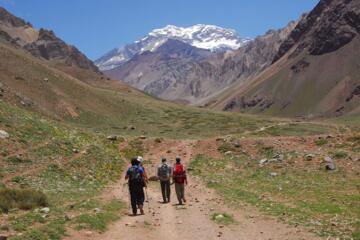
Finally, travelers often misread weather risk. In the Caribbean and parts of Central America, hurricane season is not a daily threat, but it can still affect ferry routes, small aircraft, and road closures. In the Andes and other mountainous areas, shoulder months can mean rapid temperature swings, where a cloudy morning turns into a clear afternoon—great for views, but tricky for clothing choices and altitude comfort.
How To Plan It Well
Pick Dates With Local Logic
Start by mapping your destination’s peak season to local drivers: school holidays, major festivals, and monsoon or dry-season transitions. Then choose a date range that sits just outside peak demand, usually a few weeks on either side. A practical method is to compare prices for three bands—peak, shoulder, and off-peak—and watch how quickly costs change. If airfare drops sharply but lodging barely changes, you may still face high local crowds.
For a concrete check, look at flight frequency into the nearest airport and the first onward connection. If you see fewer daily departures during your target week, shoulder season may still work, but you’ll need tighter transfer timing. I once planned a route using a schedule screenshot from 2024; the operator later moved the departure by 45 minutes, and the “same-day connection” became a next-morning wait.
Build Weather Slack Into Days
Use a simple buffer plan: protect the legs that depend on fixed times, and loosen the legs that depend on flexible timing. For example, keep timed museum entries and guided hikes early in the day, then schedule slower neighborhood walks or markets later. If rain arrives, you can pivot without losing the core of the itinerary.
In hurricane-prone areas, treat forecasts as scenario inputs rather than promises. If a storm watch is active, ferry and small-air services can pause even when the main airport remains open. A mild frustration many travelers face is “I checked the forecast, so I assumed it would be fine,” then learned that local operators follow different thresholds than national forecasts.
Use Two Booking Channels
For timed attractions, book through the official ticketing page when available, then keep a second option such as a nearby alternative site or a different time slot. For transport, compare at least two sources: the operator’s own timetable and a reputable aggregator. If the two disagree, treat the operator’s page as the tie-breaker.
When you book lodging, scan the cancellation policy and the check-in window. Shoulder season can mean fewer staff hours, and late check-ins sometimes require advance messaging. I’ve seen properties list “24-hour reception” but only for peak weeks; outside those weeks, the front desk may close earlier, and you’ll need a self check-in code.
Track Costs Beyond the Sticker Price
Shoulder season savings often show up in lodging and tours, but the total cost can shift due to transport changes. Compare the cost of getting from the airport to your base, then compare it against the price difference between staying closer to the center versus farther out. In many cities, the cheaper hotel can cost more once you add repeated rides, especially if you travel with luggage.
Also check whether tours run fewer departures. A tour that operates four times daily in peak weeks might run twice daily in shoulder weeks, which affects both availability and your ability to rearrange plans after weather changes. If you see “limited departures” language, plan your must-do activities earlier in the trip so you still have time to reschedule.
Educational Case Examples
Example 1: Late April in Mexico City and Oaxaca. A traveler books Mexico City for 8 nights in late April, then Oaxaca for 6 nights. They choose shoulder dates because peak demand around major holidays has passed, and they expect warmer afternoons. They schedule museums and walking tours in the morning, then keep afternoons open for flexible food markets. When a short rain system moves through, they swap a planned afternoon market for an indoor cooking class and keep the next day’s bus connection early to avoid delays.
Example 2: September in Colombia’s Coffee Region. Another traveler plans a 10-day route through the Coffee Region in early September. They select shoulder timing to avoid the busiest weeks while still expecting frequent showers. They book a farm tour with a morning start and confirm the pickup location the night before using the operator’s WhatsApp contact. When clouds reduce visibility, they shift to a nearby viewpoint and schedule a second activity that does not depend on clear skies. The trip stays predictable because they treat weather as a variable and keep the most time-sensitive transfers early.
Shoulder Season Checklist
| Decision Point | What To Check | Why It Matters | Practical Target |
|---|---|---|---|
| Local demand | Compare prices and availability for 3 date bands | Crowds and service frequency track demand | Pick the band where lodging drops first |
| Transport frequency | Check operator timetables and connection times | Reduced departures can force overnight waits | Aim for at least 2 options per day |
| Weather risk | Review seasonal patterns and storm windows | Rain affects tours, roads, and visibility | Schedule weather-dependent items early |
| Timed entries | Book official tickets and keep a backup slot | Quotas can sell out even with fewer crowds | Reserve must-dos in the first half |
| Local logistics | Confirm check-in hours and pickup locations | Shoulder staffing can differ from peak | Message confirmations 24 hours prior |
Step-by-step checklist for your booking week:
- Choose a 10–14 day date band rather than a single weekend.
- Compare airfare and lodging across peak, shoulder, and off-peak bands.
- Check at least two sources for each transport leg’s frequency.
- Mark one “weather slack” day per 3–4 days of itinerary.
- Book timed entries early in the trip so rescheduling stays possible.
- Confirm check-in and pickup details 24 hours before arrival.
Common Mistakes To Avoid
One mistake is relying on a single weather forecast run. Forecasts update frequently, and local conditions can differ from the nearest weather station. A better approach is to check the seasonal baseline first, then use short-term forecasts only to decide which day’s plan needs flexibility.
Another mistake is assuming that lower crowds automatically mean shorter lines everywhere. Some sites run on timed entry quotas, and those quotas can still fill even when overall visitor numbers drop. If you want predictable access, reserve timed tickets and keep a nearby alternative that does not require the same entry system.
Travelers also over-trust “daily” labels on transport pages. In shoulder weeks, operators sometimes reduce service, and the change may not appear on third-party listings. If you plan a same-day connection, add a buffer and confirm the departure time with the operator the day before.
Finally, people sometimes treat shoulder season as a health-related risk without checking the actual conditions. If you have asthma, for instance, you may care more about humidity and air quality than about crowds. If you have mobility constraints, you may care more about uneven sidewalks and weather-driven closures. The planning should match your needs, not just the calendar.
FAQ
What months count as shoulder season?
Shoulder months vary by destination because they depend on local school holidays, festivals, and seasonal weather. Use price and availability changes across multiple weeks to identify the shoulder window for your specific route.
Does shoulder season mean fewer weather problems?
It usually means fewer crowds and softer costs, not guaranteed weather. Many regions still see rain or storm risk during shoulder periods, so plan flexible activities and early starts for weather-dependent plans.
Are flights cheaper in shoulder season across the Americas?
Airfare often drops compared with peak demand, but the size of the discount varies by route and airline schedule. Compare at least three date bands and check whether connection options become fewer.
Do tours run less often during shoulder weeks?
Some operators reduce departures outside peak weeks, especially for small-group tours. Check the schedule for your exact dates and book must-do tours early in the trip to keep rescheduling options.
How do I avoid sold-out timed tickets?
Book official timed entries when available and keep a backup time slot or a nearby alternative attraction. Quotas can fill even when overall crowds feel lower.
Author's Insight
Shoulder season works across the Americas because demand and operations shift before weather becomes extreme. That timing creates a practical window where lodging and some tours cost less while many services still run regularly. The main risk is not “bad weather” in general; it’s schedule sensitivity when transport frequency drops or when timed-entry quotas remain strict.
For planning, I rely on evidence-based checks: compare price bands, verify transport frequency from operator sources, and add weather slack around the most time-dependent legs. If you track confirmations and keep one flexible day per few days, shoulder season tends to feel calmer without turning the trip into constant contingency management.
Key Takeaways
- Shoulder season reduces demand first; weather risk varies by region, so plan flexibility rather than assuming perfect conditions.
- Transport frequency and timed-entry quotas can still constrain your itinerary even with fewer crowds.
- Choose a date band, confirm schedules, and add weather slack near the most schedule-sensitive activities.
- Compare total trip costs, not only nightly rates, because transport and tour frequency can change the real budget.