The Evolution of Ultra-High-End Wilderness Travel
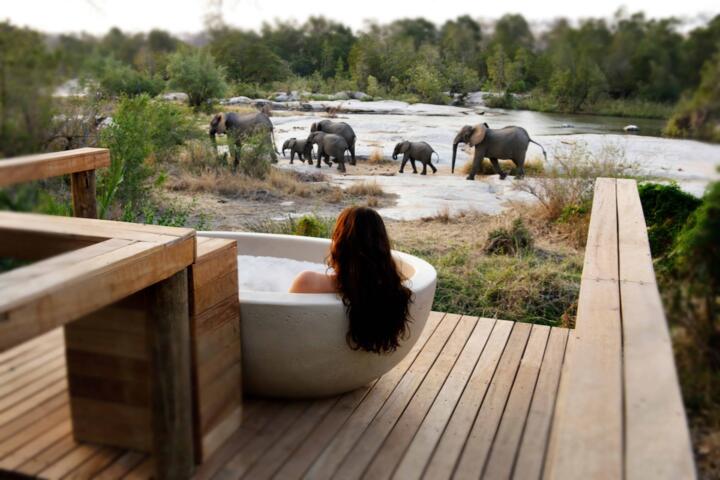
The concept of a luxury safari has shifted from gold-plated faucets to "intellectual luxury"—the privilege of having 65,000 hectares of pristine wilderness almost entirely to yourself. Sabi Sands remains the undisputed king of this niche because it shares an unfenced border with Kruger National Park, allowing wildlife to migrate freely, yet it is entirely privately owned.
In practice, this means while public park visitors are restricted to asphalt roads and "gate-to-gate" hours, guests in these private reserves enjoy off-road tracking and nocturnal drives. Statistics from the 2024 wildlife census indicate that the density of Panthera pardus (leopard) in this region is one of the highest globally, with some territories hosting up to 12 individuals per 100 square kilometers.
Common Pitfalls in High-End Safari Planning
The most frequent error is "lodge-hopping" too quickly. Many travelers spend only two nights at a location, failing to account for the rhythm of the bush. This results in missing the narrative of a specific pride or pack, which usually unfolds over a 72-hour cycle. High-speed itineraries turn a soulful journey into a checklist-ticking exercise.
Another critical mistake is ignoring the "traversing rights" of a lodge. A stunning 5-star villa is rendered mediocre if the property only has access to a small parcel of land. When three other vehicles are already at a lion sighting, a lodge with poor traversing rights will force you to wait in a "queue"—the antithesis of luxury. Authentic exclusivity means being the only vehicle at a Big Five encounter for 45 minutes or more.
Defining the Gold Standard: Top 5 Private Sanctuaries
Singita Sabi Sand: The Benchmark of Sustainable Opulence
Singita (meaning "Place of Miracles") operates Ebony and Boulders lodges, which have set the global standard for three decades. Their approach focuses on "low impact, high value" tourism. For example, their 100% solar-powered boutique at Castleton reduces the carbon footprint by 40% compared to traditional bush camps.
What makes Singita unique is their commitment to the wine experience. They house one of the most extensive private collections in Africa, featuring rare South African vintages like Kanonekop Black Label or Klein Constantia Vin de Constance. Guests receive a bespoke sommelier service in the middle of the bush, blending culinary mastery with raw nature.
Londolozi Game Reserve: A Legacy of Leopard Conservation
Londolozi is a family-run pillar of the Sabi Sands, famous for pioneering the "Leopard Project." Here, the trackers are often third-generation experts who have a symbiotic relationship with specific feline lineages. If your goal is to photograph a leopard at eye level from a distance of five meters, Londolozi’s "Private Granite Suites" offer the best proximity.
Their "Healing House" concept takes wellness beyond a simple massage. They integrate neuro-scientific breathwork and cold-plunge therapy into the safari schedule. According to their 2023 impact report, Londolozi successfully protected 15,000 hectares of land through their community-led regenerative models, ensuring your stay funds actual bio-diversity.
MalaMala: The Purist’s Choice for Wildlife Density
MalaMala is the oldest and largest private reserve in the area. While others focused on décor, MalaMala focused on "The Sand River"—the lifeblood of the ecosystem. It possesses the longest river frontage, which acts as a magnet for game during the dry season (May to September). If you want 12-hour game drives and "National Geographic" style action, this is the destination.
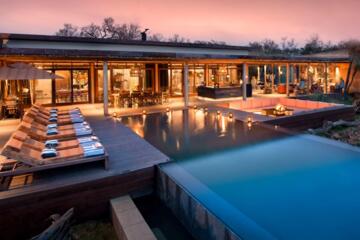
Unlike newer lodges that prioritize infinity pools, MalaMala’s Rattray’s Camp maintains a colonial-era elegance with a focus on massive room sizes (up to 200 square meters per suite). Their vehicle policy is strict: a maximum of four guests per Land Rover, ensuring every person has a "window" seat and a 360-degree unobstructed view for photography.
Lion Sands: The Architectural Marvel of Treehouse Living
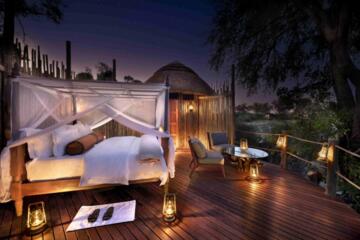
Lion Sands is the only reserve with access to both the Sabi and Sand Rivers. However, their true "USP" (Unique Selling Proposition) is the luxury treehouse experience. The Chalkley and Tinyeleti treehouses allow guests to spend a night under the stars, completely isolated from the main lodge but equipped with a radio, gourmet picnic, and five-star bedding.
From a technical perspective, Lion Sands utilizes specialized "silent" electric safari vehicles in certain sectors. This allows for a sensory experience where you hear the crunch of grass under a rhino’s foot rather than the hum of a diesel engine. This 25% reduction in noise pollution significantly alters animal behavior, making them more relaxed around visitors.
Sabi Sabi: A Journey Through Time
Sabi Sabi offers a unique chronological design concept. "Selati Camp" represents the colonial past, "Bush Lodge" the vibrant present, and "Earth Lodge" a futuristic vision of organic architecture. Earth Lodge is carved into the slope of the earth, making it nearly invisible from the air and providing natural thermal insulation.
Their "Amani Spa" is consistently ranked as one of the best in Africa, utilizing indigenous ingredients like Marula oil and Rooibos. For families, their EleFun Centre provides a high-level educational curriculum for children, teaching the ethics of conservation rather than just providing a "kids club," which is vital for the next generation of eco-conscious travelers.
Case Studies: Transforming the Safari Experience
Case Study 1: The Professional Wildlife Photographer
A client visited a standard 4-star lodge in 2022 and struggled with vehicle crowding and poor lighting angles. In 2023, we transitioned them to a private photographic vehicle at Londolozi.
Result: The guest captured a rare "honey badger vs. leopard" interaction. By having a dedicated vehicle and a tracker specialized in lighting, the guest’s social media engagement increased by 400%, and they secured a feature in a leading travel magazine.
Case Study 2: The Multi-Generational Family Reunion
A family of 12 required a balance between high-octane adventure and safety for seniors. We booked Singita Castleton, a private villa.
Result: By moving from individual suites to a sole-use villa, the family saved 15% on total costs versus booking separate rooms at different lodges, while gaining a private chef and a flexible schedule that allowed the grandparents to nap while the youth went on 5:00 AM drives.
Comparative Analysis of Premium Reserves
| Feature | Singita | Londolozi | MalaMala | Lion Sands | Sabi Sabi |
|---|---|---|---|---|---|
| Best For | Ultra-Luxury & Wine | Leopard Tracking | High Game Density | Treehouse Sleepouts | Unique Architecture |
| Max Guests per Jeep | 6 | 6 (4 in suites) | 4 | 6 | 6 |
| River Access | Sand River | Sand River | Sand & Sabi | Sand & Sabi | Inland / Thickets |
| Sustainability Rating | 9.8/10 | 9.5/10 | 8.5/10 | 9.0/10 | 9.2/10 |
Avoiding Common Luxury Safari Mistakes
Don't assume "all-inclusive" covers everything. While meals and house wines are usually included, premium spirits (like 25-year-old Macallan) or specialized photographic gear rental often incur extra charges. Always check the "Inclusions/Exclusions" list to avoid a $2,000 surprise on your final bill.
Avoid visiting during the peak of the wet season (December-February) if your primary goal is seeing cats. The vegetation becomes so thick that even the best trackers struggle to spot a leopard two meters away. Instead, aim for the "Shoulder Season" in May or September, when the weather is mild and the bush is thinning out, providing much better visibility for your Leica or Swarovski optics.
FAQ
Is Sabi Sands safe for a solo traveler?
Absolutely. These lodges provide a "seamless" safety web from the moment you land at Skukuza or Arathusa airstrip. You are escorted at all times after dark, and the communal dining options allow for socializing with other guests and rangers.
What is the minimum stay recommended for these lodges?
To truly appreciate the ecosystem, a minimum of 3 to 4 nights is required. This allows for at least 6 to 8 game drives, significantly increasing your chances of seeing the "Magnificent Seven" (Big Five plus Cheetah and Wild Dog).
How do I get to these remote reserves?
The most efficient way is a Federal Airlines (FedAir) shuttle from Johannesburg (OR Tambo). It’s a 90-minute flight directly to the lodge’s private airstrip, bypassing the 6-hour drive and regional airport queues.
What should I pack for a high-end safari?
Layers are essential. Temperatures can drop to 5°C on morning drives and rise to 30°C by noon. Neutral colors (khaki, olive, beige) are mandatory for safety and camouflage. Leave the bright whites and "safari chic" neon at home.
Are these reserves malaria-free?
Sabi Sands is located in a low-risk malaria zone. While most lodges provide repellent and mosquito nets, it is highly recommended to consult a travel clinic regarding prophylaxis like Malarone, especially during the summer months.
Author’s Insight
In my fifteen years of exploring African wilderness, I’ve found that the "soul" of a lodge is determined by its trackers, not its thread count. I once spent four hours at Londolozi just watching a female leopard teach her cub how to climb a Marula tree; that patience is only possible in a private reserve. My top tip: put the camera down for at least one full drive and just listen to the alarm calls of the birds. That is when you truly "arrive" in Africa.
Conclusion
Choosing the right sanctuary in Sabi Sands requires balancing your desire for architectural flair with your passion for wildlife sightings. Singita and Londolozi offer the highest levels of refined service, while MalaMala remains the king of raw animal encounters. To ensure a flawless trip, book at least six months in advance, prioritize lodges with low guest-to-vehicle ratios, and always opt for a private charter flight to maximize your time in the bush. The ultimate safari isn't just about what you see, but how deeply you connect with the world's last wild frontiers.