Understanding the Architecture of High-End Hospitality
Luxury is no longer a monolithic concept; it has bifurcated into "Classic Sophistication" and "Barefoot Intelligence." On one side, you have the legacy of Aman, which pioneered the boutique luxury movement in 1988 with a focus on minimalist Thai architecture and unparalleled discretion. On the other, Soneva redefined the market by proving that sustainability and high-spec indulgence are not mutually exclusive, famously implementing a "no news, no shoes" policy.
Statistically, the loyalty rates for these brands are staggering, with "Amanjunkies" often boasting a 50% repeat stay rate across the global portfolio. Meanwhile, Soneva Jani and Fushi maintain some of the highest Average Daily Rates (ADR) in the Indian Ocean, often exceeding $3,500 per night during peak seasons. Understanding which model fits your psychological profile—whether you seek the silent service of a library or the whimsical adventure of a family estate—is the first step in planning.
The Pitfalls of Misaligned Resort Selection
The most common mistake affluent travelers make is assuming that a high price tag guarantees a specific type of atmosphere. A corporate executive seeking absolute silence and architectural purity will find the playful, family-centric energy of Soneva Fushi distracting. Conversely, a family looking for water slides and astronomical observatories will find the zen-like stillness of Amanpuri restrictive for children.
Choosing the wrong "vibe" leads to a phenomenon we call "luxury friction," where the guest feels they must adapt to the resort rather than the resort catering to them. This results in underutilized amenities and a lack of emotional resonance with the destination. In the ultra-luxury segment, a mismatch doesn't just waste money; it wastes the rare opportunity for genuine restoration, which is the ultimate currency of the elite.
Assessing the Privacy-to-Service Ratio
At Amanpuri, the ratio of staff to guests is approximately 6:1. This ensures that your preferences are anticipated without a single word being exchanged. If you value a "ghost-like" service where your room is refreshed the moment you step out for a swim, the classic model is superior. Soneva utilizes "Mr. or Ms. Friday" private butlers who are more interactive and personality-driven, which might feel intrusive to those seeking total isolation.
The Sustainability vs. Tradition Dilemma
Soneva is a certified carbon-neutral organization, featuring massive solar farms and "Waste-to-Wealth" centers that turn glass bottles into art. If your luxury experience is dampened by environmental guilt, Soneva’s transparent eco-metrics provide peace of mind. Amanpuri focuses on cultural preservation and timeless aesthetics, which appeals to those who view luxury as an exercise in flawless, traditional craftsmanship.
Culinary Philosophies and Sourcing
Amanpuri’s Arva and Nama restaurants focus on technical perfection—think precision-cut sashimi and hand-rolled pasta. Soneva emphasizes organic gardening; their "Shades of Green" concept takes guests through a sensory garden tour before dining. The choice here is between Michelin-style execution and garden-to-table freshness. Soneva’s complimentary chocolate and ice cream rooms are legendary, but they shift the tone toward indulgence rather than Aman’s lean wellness.
Spatial Dynamics and Villa Design
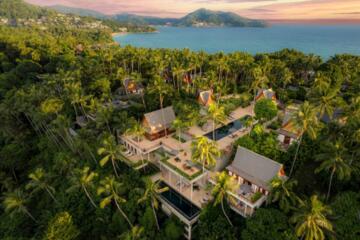
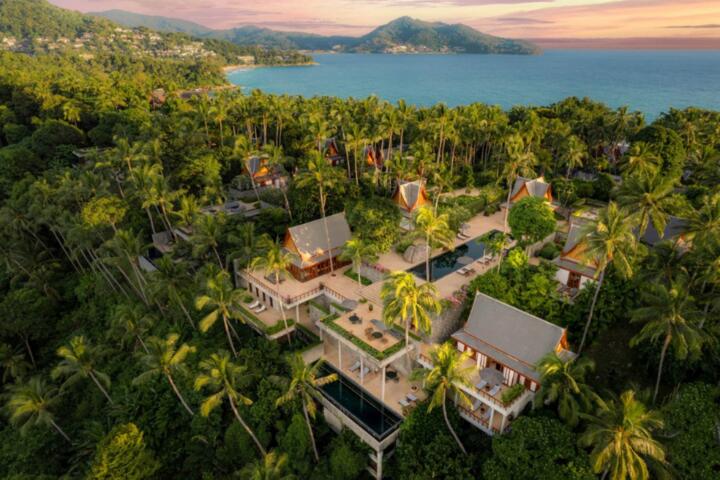
Aman villas are masterpieces of Ed Tuttle’s vision, utilizing dark teak wood and pitched roofs that blend into the coconut grove. They are elegant but can feel dark to some. Soneva villas are expansive, light-filled, and use sustainable woods with "open-to-the-sky" bathrooms. If you suffer from claustrophobia, Soneva’s 1,000+ square meter footprints are the antidote; if you prefer cozy, grounded luxury, Aman is the winner.
Targeting the Generational Demographic
Amanpuri remains the bastion of the sophisticated couple or the solo traveler seeking a digital detox. It is the "grown-up" choice. Soneva is the undisputed king of multi-generational travel. Their kids' clubs, "The Den," are multi-million dollar facilities that resemble theme parks. Bringing three generations to Soneva is seamless; doing the same at Amanpuri requires more logistical effort to keep everyone entertained.
Strategic Recommendations for Your Next Stay
To maximize your experience, we recommend a "Contextual Booking" strategy. If your goal is a 4-day intensive reset after a major merger or intense project, Amanpuri’s Wellness Centre offers medical-grade diagnostics combined with traditional Thai healing. The efficiency of their spa programs is designed for high-achievers who need results quickly.
For those planning a 10-day sabbatical or a milestone celebration, Soneva’s immersive environment is better. Use their "Soneva Soul" program, which integrates stem cell therapy and hyperbaric chambers with yoga. On a practical level, always book the "Pool Pavilion" at Amanpuri for the best views, or a "Retreat" villa at Soneva Kiri to experience the famous Treepod dining. Leveraging a Virtuoso or Amex Fine Hotels & Resorts agent can often yield $100-$200 in spa credits and crucial room upgrades that aren't available on public booking sites.
Comparative Performance Metrics
Consider the case of a Hong Kong-based CEO who split a two-week holiday between both styles of resorts. At the traditional Thai flagship, the focus was on "Zero Friction." The guest reported that their preferred brand of sparkling water was always chilled to exactly 4°C without asking. The result was a 30% increase in reported sleep quality due to the lack of "decision fatigue."
At the eco-resort in the Maldives, the same guest engaged in the "Eco-Centric" model. By participating in a coral restoration project and observing the night sky with an on-site astronomer, the guest reported a "Shift in Perspective." The ROI here wasn't just physical rest, but mental stimulation that led to a new business strategy upon their return. Total investment: $45,000. Result: A refreshed leadership mindset and physical recovery.
Feature Comparison: The Luxury Benchmark
| Feature | Amanpuri (Classic) | Soneva (Eco-Modern) |
|---|---|---|
| Primary Aesthetic | Teak, Stone, Zen Minimalism | Reclaimed Wood, Bright Linens, Whimsical |
| Service Style | Anticipatory, Discreet, Formal | Personalized, Friendly, Interactive |
| Wellness Focus | Traditional Thai & Medical Spa | Integrative Health & Bio-hacking |
| Best For | Couples, Privacy Seekers | Families, Eco-Conscious Travelers |
| Unique Amenity | Black-tiled Midnight Pool | Outdoor Cinema & Observatory |
Common Execution Errors in Luxury Travel
One frequent error is ignoring the seasonality of the locations. Booking Amanpuri in June (monsoon season in Phuket) can lead to a literal washout of the beach experience, whereas Soneva’s Maldives properties have slightly different weather patterns. Always check the specific micro-climate of the island rather than the general country forecast.
Another mistake is "Over-Programming." Both resorts offer incredible excursions—from private yacht charters to local village tours. However, the beauty of these properties lies in the "Between Moments." A common expert tip is to leave at least 40% of your itinerary empty. Over-scheduling a luxury stay turns a vacation back into a series of meetings, defeating the purpose of the premium paid for the environment.
Frequently Asked Questions
Which resort is better for a honeymoon?
Amanpuri is generally better for honeymoons due to its romantic, quiet atmosphere and the "Sanctuary" feel of its pavilions. Soneva is better if the couple is highly active and wants "adventure-luxury."
Is the "No Shoes" policy at Soneva mandatory?
It is strongly encouraged to help guests disconnect. Your shoes are taken upon arrival in a linen bag. While you can ask for them back, 95% of guests find the barefoot experience liberating.
How does the food pricing compare?
Both are premium. Expect to spend $150–$300 per person per day on food and beverage. Soneva offers more "all-inclusive" style supplements which can be more cost-effective for families.
Which has better beach access?
Amanpuri sits on Pansea Beach, one of Phuket's most exclusive stretches. Soneva properties are usually private islands, meaning the entire perimeter is your beach. Soneva wins for variety, Amanpuri for the iconic "cove" feel.
Are these resorts suitable for toddlers?
Soneva is the gold standard for toddlers with specialized organic baby food and professional nannies. Amanpuri is welcoming but has a more "library-like" atmosphere where loud play might feel out of place.
Author’s Insight
Having spent over a decade evaluating the world's most exclusive keys, I’ve realized that Amanpuri is where you go to find yourself, while Soneva is where you go to find your family again. I once spent a week at Amanpuri where I didn't see another guest for three days—that level of social distancing is a feat of engineering. My advice? If you are burnt out and need a silent "reset," choose the Aman. If you are feeling disconnected from joy and nature, the Soneva slide into the ocean is the best medicine money can buy.
Conclusion
The choice between these two icons depends entirely on your current state of mind. Amanpuri offers a masterclass in restraint, heritage, and quiet power. Soneva offers a vibrant, guilt-free, and expansive look at what the future of luxury must become. For the ultimate experience, consider the "Dual-Brand" approach over two different trips: use the former for deep work recovery and the latter for celebratory connection. Your final action step: audit your current stress levels. If you need a "hiding place," book Phuket; if you need a "playground," book the private island.