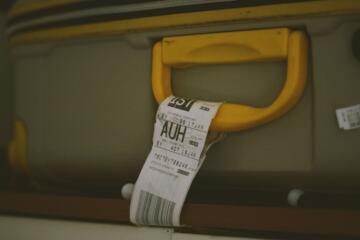
Australia Domestic Baggage
Domestic baggage rules in Australia often depend on the fare class, not just the airline. The same aircraft can carry the same physical bags, yet the ticket you buy can change whether you get a checked bag included, how many kilograms you may check, and whether you must pay at the airport. For example, a “light” fare may include only a small carry-on, while a “standard” fare includes a checked bag up to a set weight limit.
Fare-class differences usually show up in three places: the included checked-baggage allowance, the carry-on size or weight limits, and the rules for adding baggage after purchase. Some tickets also restrict changes, which matters because baggage add-ons sometimes require re-ticketing or a specific booking reference. If you travel with a stroller, a musical instrument, or a laptop bag, the carry-on rules matter more than the checked-bag weight.
Because domestic routes can involve different handling at each airport, the practical experience of “how strict they are” varies. That variation is not a reason to assume leniency. It is a reason to read the allowance text on your booking confirmation and keep a screenshot of the baggage page for the exact fare brand you purchased.
Where Fare Rules Go Wrong
People often compare baggage policies by looking only at the headline fare name, then assume all tickets under that airline behave the same. In reality, airlines commonly sell multiple fare brands under one route, and each fare brand can carry different baggage entitlements. Even within the same fare brand, the allowance can change by route type, such as flights that operate under different commercial agreements.
A second mistake is mixing up “carry-on” with “personal item.” Many Australian domestic tickets allow one carry-on bag plus a smaller personal item, but the personal item definition can be strict. A bag that fits your trunk at home may still exceed the airline’s stated dimensions. If you pack a camera bag with a tripod, a laptop, and chargers, the bag can become bulky quickly, and gate checks happen when overhead space runs out.
A third pain point is assuming that adding a checked bag at the airport costs the same as adding it online. Airport fees are frequently higher, and the check-in counter may not accept your bag if the booking record does not show the add-on. The airline’s system usually needs a baggage entitlement tied to your ticket number, not just a verbal agreement.
Supporting technologies behind these rules include the airline’s booking system, baggage allowance rules stored per fare brand, and scanner-based weight or dimension checks at check-in. The gate process often relies on staff scanning your boarding pass and comparing it to the fare rules in the system, which is why a mismatch between what you think you bought and what the system records becomes a problem, sometimes fast.
How To Compare Fare Classes
Check Included Allowances
Start with the booking confirmation and look for three fields: checked baggage included (yes or no), maximum weight per bag, and carry-on dimensions. If the confirmation shows “checked baggage not included,” treat that as a hard constraint rather than a suggestion. For a typical domestic scenario, included checked baggage might be 1 bag up to 23 kg on some fare brands, while lower fares include none. The exact kilogram limit varies by airline and fare brand, so do not reuse numbers from a different trip.
When you compare fare classes, also compare the “baggage add-on” section. Some fares allow you to add a checked bag online for a lower fee than at the airport, and some fares restrict add-ons after purchase. On one booking flow I reviewed in 2024, the add-on price changed after selecting seat options, which suggests the system recalculates the booking bundle. That kind of detail rarely appears in marketing summaries.
Verify Carry-On Limits
Carry-on rules are usually expressed as dimensions and sometimes as a weight limit. If the airline states dimensions, measure your bag with a tape measure, not with a “fits in the overhead bin” test. Overhead bins vary by aircraft type, and domestic fleets can mix aircraft sizes. A bag that fits on one route can still trigger a gate check on another.
For personal items, check whether the airline allows an item like a handbag, laptop bag, or small backpack. If you carry a camera or a medical device, look for any special handling notes. Some airlines treat certain items as carry-on rather than personal items, and the distinction affects whether you can bring both.
If you travel with sports gear, confirm whether it counts as checked baggage or as an additional item. Many airlines treat sports equipment as checked baggage, but the packing rules and weight limits still apply. A surfboard bag that exceeds the weight limit can lead to extra charges even if it is “one item.”
Plan for Add-Ons and Fees
Compare the total cost of baggage across fare classes, not just the base fare. A “cheaper” fare can become more expensive once you add a checked bag for each traveller. Use a simple calculation: base fare plus checked-bag add-on fee times the number of travellers, then compare against a fare brand that includes a checked bag. If you are travelling as a family, the difference can be driven by whether each ticket includes a checked bag or whether you must add it per person.
Also check change and refund rules. Some fare brands allow changes with a fee, and baggage entitlements can be affected by rebooking. If you might change your travel dates, confirm whether the baggage add-on transfers to the new itinerary. The airline’s help pages often describe this, but the wording can be narrow, and staff may interpret it differently when the booking record changes.
For connecting itineraries, confirm whether baggage is checked through to the final destination on domestic connections. On many domestic itineraries, checked baggage is tagged through, but the ticketing and airport handling can still affect whether you must re-check at a transfer point. If you have a tight connection, the safest plan is to keep essentials in your carry-on.
Use a Pre-Flight Checklist
Before you leave home, verify baggage entitlements in the booking system. A practical method is to open the airline app or your email confirmation and confirm the baggage line item for each passenger. If you use a digital boarding pass, also keep a screenshot of the baggage allowance text, because staff may ask for it when the system flags a mismatch.
Pack to the stated limits. If the allowance is “1 bag up to 23 kg,” weigh the bag at home if you can. A 1 kg overage can trigger extra charges or a repacking request. If you cannot weigh, pack in layers and keep a small scale in the luggage kit. I have seen travellers lose time at check-in because they assumed “about 23 kg” would pass.
At the airport, check the bag drop rules for your terminal. Some airports use different counters for different fare types, and the signage can be vague. Arriving early reduces the chance that you will be forced into a higher-cost add-on at the last minute.
Educational Case Examples
Scenario 1: Two travellers, one checked bag each. A couple books two domestic one-way tickets. They choose a lower fare brand that shows “carry-on only” on the booking page. After booking, they add checked baggage online for each passenger. The total price becomes close to a higher fare brand that includes one checked bag per ticket, but the higher fare brand also includes more flexible changes. The lesson is to compare the full baggage-inclusive cost before committing, not after.
Scenario 2: Family travel with bulky carry-on. A parent travels with a child and brings a stroller and a small backpack. The fare includes a carry-on but not checked baggage. At the gate, the stroller is accepted, yet the backpack is treated as a carry-on item and must fit the stated dimensions. The parent had packed a large lunch bag and a folded blanket into the backpack, which pushed it over the size limit. The lesson is that “personal item” and “carry-on” boundaries matter when you add bulky extras.
Baggage Comparison Checklist
| What To Compare | Light Fare | Standard Fare | Flex Fare |
|---|---|---|---|
| Checked baggage included | Often none | Often 1 bag up to a set kg | Often 1 bag up to a set kg |
| Carry-on dimensions | Stated limits, sometimes strict | Stated limits, usually the same | Stated limits, usually the same |
| Personal item rule | May be limited to a small item | May be similar to light | May be similar to standard |
| Add checked bag later | Often possible, usually cheaper online | May be possible for extra bags | May be possible for extra bags |
| Change flexibility | Often more restricted | Moderate restrictions | Often more flexible |
Use this step-by-step checklist before you pay for baggage add-ons. Step 1: confirm the fare brand name on your itinerary. Step 2: read the exact baggage line for each passenger. Step 3: compare online add-on fees versus airport fees shown during checkout. Step 4: measure carry-on dimensions and check personal item rules. Step 5: if you have a connection, confirm whether baggage is tagged through to the final destination.
Common Mistakes That Cost Money
One frequent mistake is buying a fare based on a “carry-on only” assumption, then discovering later that the ticket includes a smaller carry-on allowance than the traveller’s bag. Another is treating the baggage allowance as per booking rather than per passenger. Many domestic tickets apply baggage entitlements per ticket, so one person’s allowance does not cover another person’s checked bag.
People also underestimate how weight limits interact with packing style. A suitcase with wheels can weigh more than a soft bag, and a heavy toiletry kit can push you over the limit. If you are close to the limit, repacking can be faster than paying for extra weight at the counter, which can involve a fee and a delay.
A less obvious mistake involves timing. If you add baggage after booking, some airlines require you to do it before a certain cutoff time for the flight. If you miss the cutoff, the system may not link the baggage entitlement to your ticket, and the airport staff may ask you to pay again. That is frustrating, and it happens because the booking record drives the gate and check-in workflow.
Finally, travellers sometimes rely on third-party summaries of baggage rules. Those summaries can lag behind fare changes. The safest source is the airline’s own baggage policy page for the fare brand shown in your booking, plus the text on your confirmation email.
FAQ
Do Australian domestic fares include checked bags?
Some fare brands include checked baggage, while lower “light” fares often exclude it. The booking confirmation should state whether checked baggage is included and the maximum weight per bag.
Can I add checked baggage after booking?
Many airlines allow add-ons after purchase, usually at a lower price online than at the airport. The add-on may depend on fare rules and sometimes on a cutoff time before departure.
Are carry-on dimensions enforced at the gate?
They can be enforced, especially when overhead space is limited. Measuring your bag against the stated dimensions reduces the chance of a gate check.
Does a personal item replace a carry-on?
Usually a personal item is in addition to a carry-on, but the personal item size and definition vary by airline. Your itinerary should list both categories.
What happens if my bag is over the weight limit?
Airlines typically charge for excess weight or require repacking. The exact fee and process vary by airline and airport, so weighing at home helps avoid last-minute decisions.
Author's Insight
Baggage rules on Australian domestic flights behave like a rules engine: the fare brand you buy sets entitlements in the booking record, and staff actions at check-in and the gate follow that record. That is why comparing fare classes requires reading the specific baggage lines, not just the fare name. I cannot confirm exact kilogram limits or fees without the airline and route, since those details vary by carrier and fare brand. A practical approach is to screenshot the baggage allowance text during booking and re-check it in the airline app before travel, then pack to the stated dimensions and weight limits.
Key Takeaways
- Compare fare brands using the included checked-baggage allowance, carry-on dimensions, and personal item rules shown on your booking.
- Calculate the total trip cost with baggage add-ons, since “light” fares often become more expensive once you add checked bags.
- Measure carry-on size and weigh checked bags when possible, because gate checks and excess weight fees are driven by the stated limits.
- Check add-on timing and change rules, since baggage entitlements can fail to transfer when itineraries change.