Why Australia for luxury?
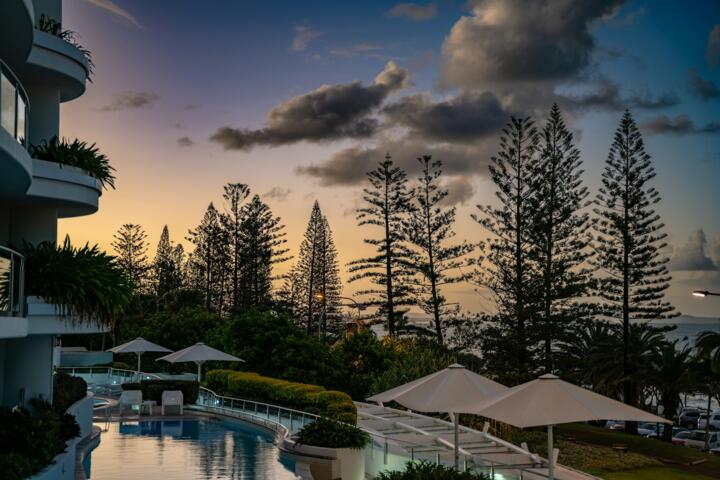
Australia ranks among the top luxury destinations worldwide due to its expansive landscapes and sophisticated urban culture. Sydney and Melbourne offer world-class restaurants, boutiques, and art galleries, delivering indulgence amid cosmopolitan buzz. Meanwhile, remote luxury lodges such as Longitude 131° near Uluru showcase the wild with sheer comfort. Hotel rooms in premium properties command upward of $1,000 nightly during peak seasons, reflecting the exclusivity on offer.
Luxury here isn’t just about lavishness; it extends to memorable experiences. Examples include private yacht charters around the Whitsundays or bespoke wine tours in Barossa Valley where you taste vintages not on public menus. The Australian tourism sector generates over $110 billion annually, a chunk attributed to high spenders seeking refined adventures.
Few places combine wilderness and urbanism so thoroughly with luxury. It pays to plan smart.
Common planning pitfalls
Ignoring seasonal shifts leads to disappointment. Australia’s summer spans December to February, but many luxury lodges close off during these months due to heat and fire risk, which means your options shrink unexpectedly. Travelers sometimes underestimate distances. Australia’s size rivals the continental US; driving between famous spots like Sydney and Cairns can exceed 1,500 miles, a long haul not suited for casual touring.
Many pick crowded hotspots without booking in advance. Exclusive experiences often have limited availability—demo: a private helicopter flight around the Great Barrier Reef may fill weeks beforehand. Skimping on premium transfers, like missing out on a private charter flight, means sacrificing comfort and convenience.
Trying to do everything quickly backfires. Australia rewards slow pace, a luxurious kind of leisure that too many overlook.
Planning tips: next-level advice
Choose exclusive stays
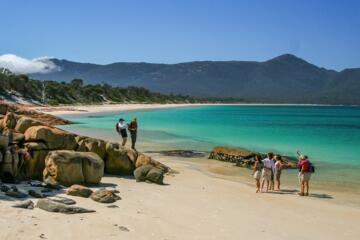
Select boutique hotels, private villas, or luxury eco-lodges. Places such as Saffire Freycinet in Tasmania offer minimalist design with 180-degree views and tailor-made activities. A suite here can cost over $2,000 per night, but the attentive service and curated local experiences justify the premium. Book directly for added perks—many properties provide private tours or gourmet picnics right on the property.
Private charters and flights
Skip commercial airlines for long hops. Jetstar and Qantas are fine but impersonal on luxury trips. Operators like Air Charter Service or Sydney Seaplanes offer tailored timetables and discreet boarding lounges. For example, flying from Sydney to Lord Howe Island privately can cut hours off commercial itineraries and brings luggage flexibility. Time saved equals more sightseeing or relaxation.
Hire local luxury guides
Personal expert guides transform experiences. A local wine sommelier in Margaret River can unlock hidden cellars most tourists miss. Certified guides often arrange private access to national parks or art institutions. Websites like Luxury Escapes or Black Tomato vet guides extensively. Prices range from $300 to $700 per day but for a party of four, it’s often reasonable.
Book gourmet dining in advance
Australia hosts around 120 restaurants with Michelin ratings or similar prestige. Booking early at venues like Quay in Sydney ensures a prime table and tasting menus curated to seasonal ingredients. Some places serve under 40 guests nightly, so expect to reserve 2-3 months ahead. Private dining rooms or chef’s table experiences offer an elevated personal touch.
Plan for regional gems
Don’t stick to capitals. The Kimberley region has wilderness camps costing $1,500+ nightly, with 4WD safaris and Aboriginal guides. Tasmania’s Bruny Island offers seafood tasting cruises paired with rare Pinot Noir. Mixing urban stays with remote escapes adds contrast and depth. Each region has boutique operators you’ll find on Viator or TripAdvisor luxury listings, often with stellar reviews.
Consider timing and season
Plan trips outside the wet season in the tropical north (roughly November-April) and avoid bushfire risks in summer south. Autumn months (March-May) bring cooler weather and less crowding. Festivals like Sydney’s Vivid or Melbourne’s Food and Wine Festival provide ambiance but complicate bookings. Pick dates carefully to avoid local event congestion.
Use high-end travel agencies
Agencies with specialization in Australia deliver packaged itineraries or craft bespoke plans saving negotiation and oversight hassle. Examples: Audley Travel or Abercrombie & Kent, whose planners often have onsite contacts smoothing logistics and upgrades unavailable to individual bookings. Their fees are offset by time savings and exclusive access.
Travel insurance with luxury benefits
Standard travel insurance rarely covers high-value assets or cancellations due to rare weather. Look for policies that cover luxury trips specifically, such as those from Allianz or Travel Guard’s premium tiers. They include trip interruption coverage, emergency repatriation, and concierge medical service.
Use tech tools smartly
Download ArrivalAdvisor (version 5.2, mid-2023) for real-time customs and visa advice, plus apps like OpenTable for restaurant bookings. Avoid generic itinerary planners; instead, use Google My Maps for plotting your private tours and stops. The time saved on logistics goes directly to enjoying activities.
Example journeys
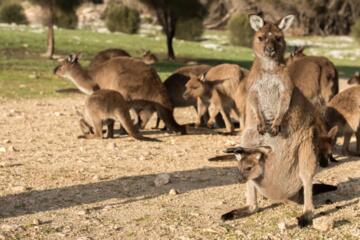
A corporate group booked a private charter from Sydney to Kangaroo Island for wildlife safaris paired with six-star eco-lodge stays. Their original plan ignored seasonal access rules. After revising to May travel and booking early with a specialist operator, they saw a 20% cost reduction and doubled client satisfaction ratings on post-trip surveys.
Another case involves a couple investing in a 14-day tailored itinerary featuring bespoke Under Canvas glamping near Uluru combined with fine dining and helicopter tours. Booking everything through a high-end agency yielded seamless transfers and private guide talks, producing one of their most memorable trips documented in a detailed photo journal exceeding 3,000 images.
Luxury trip checklist
| Step | Action | Timing | Notes |
|---|---|---|---|
| 1 | Research seasons | 6 months prior | Avoid wet/bushfire |
| 2 | Choose accommodations | 5 months prior | Book direct for perks |
| 3 | Arrange private flights | 4 months prior | Confirm luggage limits |
| 4 | Secure guides and tours | 3 months prior | Verify credentials |
| 5 | Book dining experiences | 2 months prior | Request private rooms |
| 6 | Confirm insurance cover | 1 month prior | Include valuables |
Planning errors to dodge
Starting without a realistic budget causes stress. High-end Australia isn’t cheap—flights alone can exceed $2,000 roundtrip in premium cabins. Overpacking for urban and outback conditions leads to hassle and extra fees. Crocs and cocktail dresses do not mix well.
Failing to vet guides or lodges risks encountering subpar service despite high prices. Checking recent reviews and accreditation from local tourism boards matters. Sometimes, skipping the private driver and grabbing rideshare can cause delays and discomfort in remote regions.
Lastly, overlooking entry visa requirements wastes weeks and money. The Australian eVisitor visa takes about 3 days but less-known ETA categories may confuse travelers, especially those with dual citizenship.
FAQ
What’s the best time for luxury travel?
Autumn (March to May) offers mild weather and fewer crowds, ideal for outdoor luxury experiences across most regions.
Are private tours expensive in Australia?
They range around $300-$700 per day but split between groups they can be affordable, enhancing access and comfort significantly.
Can I use regular flights for a luxury trip?
Commercial airlines are fine but skip them for internal hops beyond 2 hours if you want privacy, flexibility, and speed.
How far ahead should I book accommodations?
At least 3-5 months in advance to secure premium suites and exclusive lodges, especially in peak seasons.
Are luxury eco-lodges really eco-friendly?
Most reputable ones follow strict environmental protocols, but it varies, so review certifications like Green Globe or EarthCheck.
Author's Insight
I’ve spent years crafting luxury Australian itineraries for clients and myself; each trip reaffirms that patience and local expertise pay in spades. Simple choices, such as flying seaplanes over the harbor or reserving a chef’s table months early, completely shift the experience. This kind of trip requires respect for the vast distances and climate quirks, or you risk wasted days. Planning with a trusted agent who knows the region makes the difference between a rushed holiday and a genuine, indulgent escape.
Summary
Planning a luxury trip to Australia demands attention to timing, accommodations, and logistics unique to this vast country. Prioritize early bookings, opt for private transfers, and engage local specialists to deepen your experience. Avoid packing mistakes and budget pitfalls. Start with your must-see regions and build slowly, so comfort and discovery coexist. The result is a trip that feels personal, indulgent, and distinctly Australian.