Budget Travel In Australia
Australia’s budget challenge comes from scale: long distances, limited rail coverage outside major corridors, and frequent price swings by season. A low-cost trip usually works when you pick a route that matches how people actually move there—flying between distant hubs, then using buses or trains for shorter legs. For example, many travelers combine a few city bases (Sydney, Melbourne, Brisbane/Gold Coast) with one regional focus such as the Blue Mountains, the Great Ocean Road, or a short outback-style loop. If you plan to drive, you trade higher fuel and car costs for flexibility and the ability to reach beaches, lookouts, and small towns that buses skip.
Budgeting also depends on what you mean by “budget.” A traveler who cooks some meals and uses public transport can spend far less than someone who eats out every day and books tours for every stop. In remote areas, the cost gap narrows because fewer free activities exist and groceries can cost more. The practical goal is to control the biggest variable costs first: transport between regions, accommodation type, and food strategy.
Main Budget Pain Points
People often underestimate how quickly transport costs rise when they choose a route with many backtracks. Australia’s geography rewards linear planning: if you fly to one end of the country and then try to “zigzag” across states, you pay twice in flights, long drives, or both. Another common issue is assuming that “cheap” accommodation stays cheap. In practice, prices jump around school holidays, major events, and even weekends in popular coastal areas.
Food spending is another hidden driver. Buying coffee and snacks daily can add up, especially in tourist precincts where menus are priced for convenience. Cooking helps, but it requires accommodation with kitchen access and a willingness to shop at supermarkets rather than convenience stores. In places like the Northern Territory or remote parts of Western Australia, grocery availability can be limited, and the price difference between supermarkets and smaller stores can be noticeable.
Supporting dependencies matter too. Your budget depends on transport schedules and ticket rules: bus and train fares can be cheaper when booked early, while last-minute changes often trigger higher prices. Car travel depends on fuel prices, tolls (in some cities), parking fees, and insurance terms. Weather affects road conditions and tour availability, and it can also change what you can do for free—heat, storms, and wildfire smoke can shift plans quickly.
One more dependency is time. A “budget” trip that uses many short stays can cost more than a slower plan because you pay repeated booking fees, transfers, and cleaning charges. A traveler who stays longer in one base often spreads fixed costs like airport transfers and laundry over more days. That trade-off is why two people with the same daily budget can end up with different totals.
Budget Planning And Booking
Choose A Route That Fits
Start with a route that matches your transport reality. If you want to cover multiple states, plan flights between hubs and then use buses or trains for the legs that connect nearby regions. If you want a road trip, pick a loop that avoids repeated long-distance crossings. For instance, a Sydney-to-Melbourne plan can work with a coastal or inland road option, while trying to add Brisbane on the same loop usually forces extra driving or extra flights.
Build a day-by-day outline with “anchor” locations and buffer days. Anchor days are where you want to be in a specific place for a specific activity, such as a guided hike or a museum day. Buffer days absorb weather delays and reduce the pressure to book every activity immediately. This approach also helps you decide where to spend money: you can reserve paid experiences for the days that matter most.
When you compare routes, include transfer time. Airport transfers, station-to-hotel travel, and check-in times can turn a “cheap” ticket into a costly day. A small aside: I often see travelers ignore the last-mile cost from a station to a budget hostel, then spend more on rideshare than the fare difference they chased.
Use Transport With Cost Controls
For intercity travel, compare three categories: flights, long-distance buses, and trains. Flights can be cheaper when booked early and when you travel midweek, but baggage fees can change the total. Long-distance buses often cost less than flights for short-to-medium distances, and they can be a good fit when you travel with carry-on only. Trains can be comfortable, yet schedules are limited on some routes, which can force overnight travel or longer itineraries.
For local movement, public transport passes and day tickets can reduce per-trip costs. In Sydney and Melbourne, you can often use contactless card taps or transit apps depending on the system. In smaller cities, walking plus a few bus rides can beat frequent rideshare use. Parking is a budget killer in central areas, so if you rent a car, plan to park once per day and walk from there when possible.
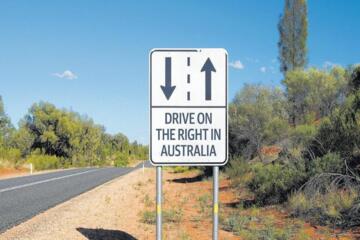
If you drive, price the full package: fuel, car rental, insurance, tolls, and parking. Rental terms vary by provider and by location, and some policies restrict travel to certain regions. Read the fuel policy carefully; “full-to-full” is common, but the exact wording matters. Also check whether your rental includes roadside assistance, because remote breakdown support can be slow.
Pick Accommodation That Lowers Fixed Costs
Accommodation is where you can control spending without sacrificing safety. Hostels with private rooms can be a middle ground when you want quiet and still keep costs down. Apartments or rooms with kitchen access help you cook breakfast and at least one meal, which reduces daily food variability. In Australia, many short-stay rentals include cleaning fees and service charges, so the nightly rate alone can mislead you.
Book early for peak periods. School holidays and major events can raise prices across entire cities, not just near venues. If you can shift travel by a week, you often see meaningful changes. A small aside: I once compared two dates in early September and saw the same hostel room jump by more than 30% between a Friday and the following week; the difference was mostly demand, not room quality.
Check location relative to transport. A cheaper place far from transit can cost more in rideshare or time. If you plan to use buses, confirm the stop is within walking distance and that routes run late enough for your schedule.
Budget Food And Activities With Realistic Ranges
Food costs vary by city and by how often you cook. A practical approach is to set a daily food target and then decide which meals you cook. In many urban areas, supermarket groceries can cover breakfast and lunch at a lower cost than eating out. Dinner can be a mix: one casual meal out plus one cooked meal often keeps spending predictable.
For activities, Australia has many paid experiences, but free options exist too: beaches, coastal walks, public lookouts, and self-guided museum days. Paid tours can still fit a budget if you limit them to a few high-impact days. For example, you might spend on a guided day trip once, then rely on public transport and self-guided routes for the rest.
To estimate daily totals, use ranges rather than a single number. A common budget structure for a solo traveler might look like: accommodation (shared room or budget private), transport (mix of public transport and occasional intercity legs), and food (some cooking). Your total can swing widely based on whether you include tours, car rental, and how many nights you stay in expensive coastal areas.
If you want a starting point for planning, build a spreadsheet with three categories: fixed costs (accommodation, intercity transport), variable costs (food, local transport), and discretionary costs (tours, nightlife). Then adjust one category at a time so you can see what changes your total most.
Case Examples For Budget Routes
Example 1: City Bases With Day Trips
A traveler plans a 10-day trip focused on one state: 5 nights in Sydney and 5 nights in Melbourne. They book flights early for the Sydney-to-Melbourne leg, use public transport for most local travel, and cook breakfast in both cities. They choose one paid day trip each city and keep other days to self-guided walks, public beaches, and free museum hours when available. They also avoid last-minute rideshare by staying near transit lines. The budget stays stable because intercity transport is booked once and local spending follows a predictable pattern.
Example 2: Short Road Loop With Fewer Stops
A traveler does a 7-day road loop from a regional hub to nearby coastal towns, limiting the number of overnight changes to reduce accommodation churn. They rent a car for the loop, plan parking in advance, and shop at supermarkets before leaving the city. They choose hikes and lookouts that do not require paid tours, then spend on one guided experience tied to a specific location. Their biggest cost is the car rental and fuel, but they avoid extra spending by not adding distant detours that would require more days. The plan works best when the loop stays within a manageable driving radius.
Budget Checklist And Tradeoffs
| Decision Point | Budget-Friendly Choice | Cost Risk | How To Reduce Risk |
|---|---|---|---|
| Intercity transport | Book early; compare flights vs buses | Baggage fees and last-minute price jumps | Add baggage cost to the comparison; travel midweek |
| Accommodation | Kitchen access or shared rooms | Cleaning fees and weekend demand | Compare total price; check location to transit |
| Local transport | Public transport and walking | Rideshare creep when plans slip | Plan routes; stay near stations; check last bus times |
| Road trips | Short loops with fewer overnights | Fuel, parking, insurance add-ons | Read rental terms; pre-plan parking; avoid detours |
Step-by-step checklist for a budget plan:
- Pick a route that moves in one direction and limits backtracking.
- Estimate intercity transport first, then lock dates for the biggest legs.
- Choose accommodation with kitchen access when you want predictable food costs.
- Set a daily food target and decide which meals you cook.
- Plan paid activities for a few days and fill the rest with self-guided options.
- For driving, price the full rental package and confirm where you can legally travel.
- Re-check your plan after booking to confirm total costs match your spreadsheet.
Common Mistakes That Raise Costs
One frequent mistake is booking everything at the last minute. Australia’s demand patterns can make last-minute accommodation and transport more expensive, especially around school holidays. Another mistake is ignoring kitchen access and then spending more on takeout because cooking is inconvenient. If you want to cook, confirm the kitchen setup and whether utensils and cookware are included.
Travelers also underestimate the cost of moving between neighborhoods. A “cheap” hostel can be cheap only if you can reach attractions without rideshare. If you plan to use public transport, check service frequency and the last departure time. In some areas, a late return can force expensive transport choices.
Road-trip mistakes are common too. People sometimes assume all roads are equally easy and then lose time to detours, roadworks, or weather. That time loss increases accommodation nights and food spending. Another issue is failing to account for parking fees in cities and for fuel availability in remote areas. If you drive, plan fuel stops and avoid running the tank low.
Finally, travelers sometimes treat “budget” as a reason to skip travel insurance. Insurance does not prevent problems, but it can reduce financial exposure when flights are delayed, luggage is lost, or a medical issue occurs. Read the policy terms for coverage limits and exclusions, especially for activities like hiking or driving long distances.
FAQ
What Is A Realistic Daily Budget?
Daily costs vary by city, season, and whether you cook. A practical way to estimate is to set separate targets for accommodation, local transport, and food, then add intercity transport as a separate line item for travel days.
Is It Cheaper To Fly Or Drive?
Flights often win for long distances between major hubs, while driving can be cheaper when you split costs across travelers and keep the route compact. Compare total costs including fuel, parking, insurance, and time.
How Can I Save Money On Food?
Shop at supermarkets for breakfast and at least one meal, then eat out for one meal per day if you want variety. In tourist areas, convenience-store purchases tend to cost more than planned grocery shopping.
When Do Prices Jump In Australia?
Prices rise around school holidays, major events, and weekends in popular destinations. Checking date flexibility before booking can reduce accommodation and transport costs.
What Should I Budget For Remote Areas?
Remote areas can raise costs through limited grocery options, fewer transport choices, and higher tour prices. Plan fuel, check opening hours for services, and keep a buffer day for weather disruptions.
Author's Insight
Budget travel in Australia works best when you treat distance as a cost driver rather than a sightseeing detail. Route planning, booking timing, and accommodation choice usually explain most of the variance between “on budget” and “over budget.” I do not have personal clinical experience to draw on, so this guidance relies on common travel cost mechanisms: demand-driven pricing, transport ticket rules, and the real cost of last-mile movement. If you want to sanity-check your plan, compare totals in a spreadsheet and include baggage, cleaning fees, and parking before you decide.
Key Takeaways
- Control intercity transport and accommodation first; they swing your total more than small daily choices.
- Use a route that limits backtracking, then fill days with a mix of free and paid activities.
- Cook when you can, and verify kitchen access and grocery options for each stop.
- For road trips, price the full rental package and plan fuel and parking to avoid budget surprises.
- Re-check your budget after booking because fees and last-mile costs often change the final number.