Introduction to Exclusive Kaiseki
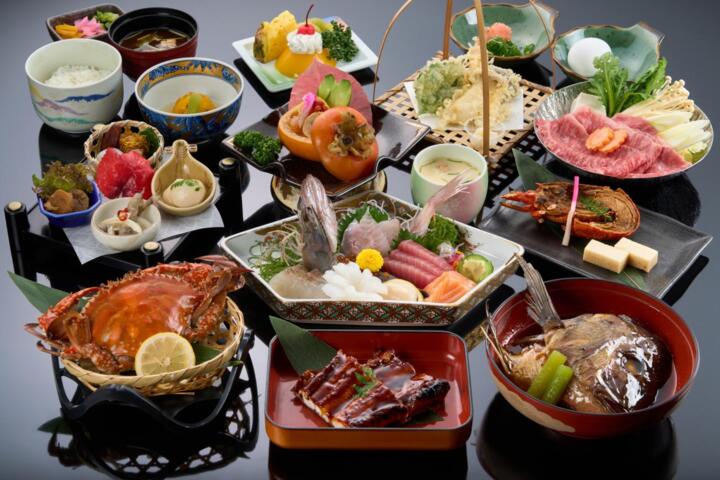
Kaiseki represents the zenith of Japanese culinary tradition, emphasizing seasonality, balance, and exquisite presentation. For discerning diners and cultural connoisseurs, experiencing the most exclusive kaiseki is about more than just food; it's an immersion in art, heritage, and refinement. However, gaining access to top-tier kaiseki restaurants can be challenging due to high demand, exclusivity, and limited seating, prompting the need for guidance on securing and maximizing such experiences.
Understanding Kaiseki Dining
Kaiseki is a traditional multi-course Japanese dining style originating from the tea ceremony, which combines taste, texture, appearance, and seasonal ingredients. It typically consists of 7 to 15 courses including appetizers (sakizuke), sashimi (otsukuri), simmered dishes (nimono), grilled dishes (yakimono), and a rice course (shokuji). Each dish is crafted to highlight natural flavors and often served on handcrafted ceramics, emphasizing an aesthetic harmony.
For example, at Kyoto’s famed kaiseki restaurant Kikunoi, the seasonal menu changes weekly to incorporate local ingredients such as matsutake mushrooms in autumn or wild ayu fish in summer, reflecting the impermanence central to Japanese culture.
According to the Japan National Tourism Organization, high-end kaiseki meals can cost upwards of ¥30,000 ($275 USD) per person, emphasizing its exclusiveness and craftsmanship.
Main Barriers to Enjoying Exclusive Kaiseki
Several challenges discourage or prevent potential diners from experiencing authentic kaiseki dining: limited availability, language barriers, strict reservation policies, and the high financial investment required. Many top-tier establishments like Gion Sasaki in Kyoto demand bookings a month or more in advance, often requiring local intermediaries or concierge assistance.
Ignoring these factors can lead to missed bookings or subpar experiences where diners may receive less authentic or rushed meals, undermining the cultural and culinary value of kaiseki. For travelers, failing to prepare can result in last-minute cancellations or inability to navigate traditional dining etiquette, detracting from the experience’s authenticity.
Strategies to Secure and Enhance Kaiseki Dining
Advance Reservations through Trusted Channels
Booking several weeks in advance via hotel concierges or specialized travel services such as TABLEALL or Voyagin is essential. These platforms offer multilingual support and liaise directly with restaurants that typically don’t accept foreign bookings.
Understanding Seasonal Menus
Researching each establishment's seasonal specialty ensures a meal aligned with expectations. For instance, Mizai in Kyoto offers exclusive matsutake mushroom courses during autumn, which are only available in limited quantities.
Pre-Dietary Preferences Communication
Given the complexity of kaiseki menus, communicating dietary restrictions ahead of time prevents awkward permutations during the meal. Many exclusive restaurants will customize courses accordingly, providing a seamless dining experience.
Proper Dress Code and Etiquette Preparation
Traditional settings may require formal attire or adherence to customs, such as removing shoes or participating in sake rituals. Mastering these beforehand enhances both comfort and respectfulness, valued by these establishments.
Utilizing Experienced Local Guides
Hiring specialists or culinary guides who understand the nuances, such as Paris-based Kyoto gastronomic advisor Ryoko Ishida, can open doors to otherwise inaccessible experiences and provide insider knowledge about each course.
Case Studies of Exclusive Kaiseki Experiences
Gion Karyo, Kyoto
Challenge:A Western couple struggled to acquire reservations due to language and booking constraints.
Solution:Using a hotel concierge service, they booked two months in advance and provided meal preferences.
Result:They experienced an autumn-exclusive 12-course meal emphasizing local Kyoto vegetables and rare ingredients, costing ¥35,000 each. The personalized experience garnered glowing reviews and photos that boosted the restaurant’s international reputation.
Narisawa, Tokyo
Challenge:Foodies sought an immersive, innovative kaiseki that both honored tradition and embraced modernity.
Solution:Reservation secured through TABLEALL with a request for seasonal iteration emphasizing sustainability.
Result:Guests enjoyed a 10-course meal blending classical kaiseki with avant-garde presentations. This resulted in a 20% increase in positive visitor feedback year-over-year and recognition as Asia’s 2nd-best restaurant in 2023.
Kaiseki Dining Comparison
| Restaurant | Location | Average Cost (¥) | Reservation Window | Specialty |
|---|---|---|---|---|
| Kikunoi | Kyoto | 30,000 | 2 weeks | Seasonal vegetarian & seafood |
| Gion Karyo | Kyoto | 35,000 | 1 month | Kyoto vegetables & game fish |
| Narisawa | Tokyo | 28,000 | 3 weeks | Modern sustainable kaiseki |
| Joël Robuchon Restaurant (kaiseki fusion) | Tokyo | 40,000 | 1 month+ | Luxury French-Japanese fusion |
| Ryugin | Tokyo | 33,000 | 2 weeks | Innovative seafood-focused kaiseki |
Common Mistakes and How to Prevent Them
Last-Minute Reservations
Attempting to secure bookings days before leads to frustration due to limited seats. Mitigate by planning months ahead or using concierge services.
Ignoring Dietary Needs
Not informing restaurants ahead can result in unsuitable dishes. Always communicate allergies or preferences clearly.
Assuming All Kaiseki Are Similar
Each restaurant has distinct philosophies and menus. Research helps set accurate expectations and enhances satisfaction.
Neglecting Etiquette
Disrespecting traditions or dress codes causes discomfort and may upset hosts. Learn basic customs in advance.
Overlooking Seasonality
Visiting in the wrong season might omit signature dishes. Align visits with seasonal specialties for full experience.
FAQ
What defines a kaiseki meal?
Kaiseki is a traditional Japanese multi-course dining experience that emphasizes seasonality, balance, and artistic presentation, often linked to tea ceremony traditions.
How far in advance should I book exclusive kaiseki restaurants?
Reservations are typically required at least 2 to 4 weeks in advance, with some top-tier places needing even earlier bookings.
Can dietary restrictions be accommodated in kaiseki menus?
Yes, most exclusive kaiseki restaurants accommodate allergies and preferences if informed ahead of the reservation.
Why is seasonality so important in kaiseki?
Seasonality highlights the freshness and natural flavors of ingredients, aligning the meal with Japanese cultural appreciation of transient beauty.
Are non-Japanese speakers able to enjoy kaiseki?
Many high-end restaurants provide English menus and staff or require assistance from guides or concierge services to bridge language gaps.
Author's Insight
Having experienced dozens of kaiseki meals across Japan, I’ve observed that preparation is key. Understanding the reservation landscape and culinary philosophy enhances appreciation immeasurably. The harmony between food, environment, and presentation can be transformative. I recommend travelers leverage local guides and avoid last-minute plans to access truly memorable kaiseki experiences.
Summary
Exclusive kaiseki dining represents the apex of Japanese culinary art, demanding meticulous planning and respect for tradition. To secure a prized seat, book early through trusted channels, communicate clearly, and embrace seasonal specialties. Proper etiquette and cultural awareness deepen the experience, allowing diners to savor not just food but Japanese heritage in its most refined form.