The Evolution of Omani Mountain Luxury
Oman has long been the "Switzerland of the Middle East," but its mountain hospitality has evolved from rugged campsites to some of the world's most sophisticated resorts. The Al Hajar range, specifically the Jebel Akhdar (Green Mountain) and Jebel Shams areas, sits at elevations exceeding 2,000 meters, offering a temperate climate that is often 15°C cooler than the coastal heat of Muscat.
Historically, these mountains were home to isolated villages surviving on damask roses and pomegranate terraces. Today, properties like Anantara Al Jabal Al Akhdar Resort and Alila Jabal Akhdar have integrated into this landscape. In 2023, luxury tourism in the Ad Dakhiliyah Governorate saw a 14% increase in international arrivals, driven by travelers looking for "silent luxury" rather than the ostentatious displays found in neighboring hubs.
Practical examples of this evolution include the preservation of falaj (ancient irrigation) systems within resort grounds. Instead of artificial water features, these retreats use historic engineering to hydrate organic gardens, providing guests with both aesthetic beauty and a lesson in sustainable heritage.
The Geological Context of the Al Hajar Range
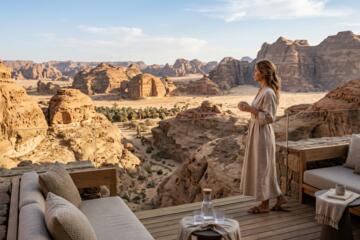
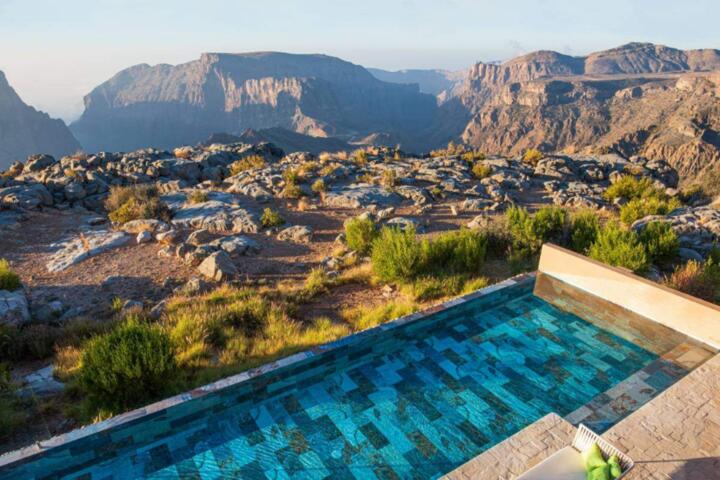
The mountains are composed of Cretaceous limestone, creating dramatic "Grand Canyon" vistas that require specialized construction techniques. This geology ensures that every luxury suite offers a literal edge-of-the-world perspective.
Climate Dynamics and Seasonal Planning
Unlike the rest of the GCC, the peak season for mountain retreats extends into the summer months (June–August). While coastal temperatures hit 45°C, the plateau remains a crisp 25°C, making it a unique year-round destination.
Accessibility and Logistics
Access to Jebel Akhdar is strictly regulated by the Royal Oman Police. Only 4WD vehicles are permitted past the checkpoint at Birkat al Mouz, ensuring the mountain remains tranquil and manageable for infrastructure.
Common Pitfalls in High-Altitude Travel Planning
One primary mistake travelers make is underestimating the logistical requirements of the plateau. Many tourists attempt to drive a standard sedan to the base, only to be turned back at the police checkpoint, causing significant delays and missed check-ins. This lack of preparation undermines the "stress-free" promise of a luxury vacation.
Another issue is the "Muscat-centric" itinerary. Travelers often book these retreats as mere day trips. A three-hour drive from Muscat followed by a three-hour return journey leaves only a few hours to experience the site. This "hit-and-run" tourism fails to provide the physiological benefits of altitude acclimatization and the deep relaxation these resorts are designed for.
Real-world consequences include altitude fatigue and missed cultural windows. For instance, the famous rose harvests happen strictly between 4:00 AM and 8:00 AM in April. If you are staying in a coastal hotel, you will miss the sensory core of the mountain experience entirely.
Strategic Recommendations for a Royal Experience
To maximize the value of a stay at an Omani mountain retreat, visitors must pivot from passive observation to active engagement with the local ecosystem. Start by booking a 4WD transfer through the resort rather than a local taxi. Professional resort drivers are trained in "mountain braking" techniques, ensuring a smoother ascent up the 20-degree inclines.
Why this works: Arriving relaxed and safely allows for immediate immersion. When you stay at a property like Alila Jabal Akhdar, you are paying for the silence. By coordinating your arrival for mid-afternoon, you catch the "golden hour" when the canyon walls turn a deep ochre, a sight that defines the region’s visual identity.
For those interested in gastronomy, request a private "Dining by Design" experience on the "Diana’s Point" platform at Anantara. This is the exact spot where Princess Diana visited in 1986. Using local ingredients like Al Jabal Al Akhdar honey and walnuts provides a tangible connection to the land that a standard buffet cannot match.
The Three-Night Minimum Strategy
Stay for at least 72 hours. The first day is for decompression, the second for cultural exploration (the Three Village Hike), and the third for spa treatments using local frankincense oils. This rhythm lowers cortisol levels significantly more than a 24-hour stay.
Engaging a 'Mountain Guru'
Most premium resorts employ local experts. Rather than using a generic tour operator, use the in-house "Mountain Guru." These individuals are often from the nearby villages of Al Aqr or Ash Shirayjah and can grant access to private orchards that are otherwise off-limits to tourists.
High-Altitude Wellness Protocols
Hydration is critical at 2,000 meters. Luxury resorts now offer oxygen-infused treatments and hyper-local salt scrubs. Prioritize these over standard Swedish massages to help your body adjust to the thinner air.
Sustainable Souvenir Acquisition
Avoid the gift shops in Muscat for mountain products. Purchase rose water directly from the distillery in the mountain villages. The concentration of the 100% natural distillate is significantly higher, and the revenue stays directly within the mountain community.
Photography and Lighting Windows
The UV index is high on the plateau. For the best architectural and landscape photography, utilize the "Blue Hour" (20 minutes after sunset). The way the resorts light their stone exteriors against the dark canyon is a masterclass in atmospheric design.
Mini-Case Examples: Real-World Experiences
Case 1: The Corporate Retreat Reimagined
A London-based private equity firm moved their annual strategy session from Dubai to Jebel Akhdar. By choosing a location with no city distractions and an average temperature of 22°C in July, they reported a 30% increase in "deep work" hours. The total cost was comparable to a high-end Dubai stay, but the "mental ROI" was cited as significantly higher due to the tranquil environment.
Case 2: The Multi-Generational Heritage Tour
A family of twelve sought a destination that catered to both adventurous teenagers and elderly grandparents. By utilizing the interconnected villas at a mountain retreat, the younger members engaged in via ferrata (protected climbing), while the seniors took part in a slow-paced rose-water workshop. The result was a cohesive vacation where different physical abilities didn't lead to split itineraries.
Comparison of Top Mountain Experiences
| Feature | The Edge-of-Canyon Experience | The Cultural Immersion Suite | High-Plateau Boutique Lodging |
|---|---|---|---|
| Target Audience | Adventure & Photography Enthusiasts | History & Heritage Lovers | Wellness & Seclusion Seekers |
| Design Ethos | Modern Omani Fortress | Eco-Minimalist / Raw Stone | Traditional Village Replicas |
| Key Activity | Via Ferrata & Canyon Abseiling | Guided Village & Orchard Walks | Stargazing & Yoga |
| Temperature Range | 18°C - 28°C | 15°C - 25°C | 10°C - 22°C |
Common Errors and How to Sidestep Them
Error: Relying on GPS exclusively. While Google Maps is generally reliable, mountain roads can have sudden closures or diversions for construction. Always verify your route with the resort's concierge 24 hours before arrival. They can provide the most current status of the mountain passes.
Error: Dressing for the desert. Many guests arrive with only light summer clothing. Once the sun dips below the canyon rim, temperatures can drop by 10 degrees in an hour. Always pack a cashmere wrap or a medium-weight jacket, even in August.
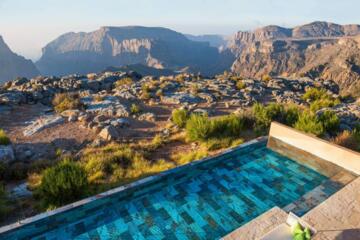
Error: Ignoring the Friday rush. Locals from Muscat flock to the mountains on weekends (Friday/Saturday). If you seek absolute silence, schedule your stay for Sunday through Wednesday. You will often find you have the infinity pools and viewpoints entirely to yourself.
Frequently Asked Questions
Is a permit required to drive up the mountain?
No individual permit is required, but a 4WD vehicle is mandatory. You must present your driver’s license and vehicle registration at the police checkpoint. If you have a rental, ensure it is a legitimate 4x4, not an AWD crossover.
When is the best time to see the rose blooming?
The rose season is specific: late March to mid-April. This is when the hillsides of Jebel Akhdar turn pink, and the air is filled with the scent of damask roses being distilled into traditional Omani rose water.
Can I visit the mountain retreats if I am not a guest?
Most high-end resorts allow outside visitors for lunch or dinner, but a prior reservation is mandatory to pass the resort's private security. It is highly recommended to book at least 48 hours in advance during peak season.
Are these locations suitable for children?
Yes, most luxury mountain retreats have dedicated kids' clubs and educational programs focusing on local geology and astronomy. However, the terrain is steep, so active supervision is required for younger children near canyon edges.
Is altitude sickness a concern in Oman?
At 2,000 to 2,500 meters, true altitude sickness is rare. However, some guests may experience mild shortness of breath or headaches. Staying hydrated and avoiding heavy alcohol consumption on the first night typically mitigates these effects.
Author’s Insight
In my years of exploring Middle Eastern hospitality, nothing quite matches the silence of a Jebel Akhdar morning. My personal tip: skip the main breakfast hall and ask for a picnic setup on your suite's terrace at dawn. Watching the first light hit the ancient stone villages of the Saiq Plateau is a spiritual experience that no brochure can adequately describe. Focus on the textures—the rough limestone, the soft pashminas, and the cool mountain air—these are the true luxuries of Oman.
Conclusion
Staying in Oman’s mountain retreats is not just about luxury; it is about experiencing a geological and cultural fortress that has remained largely unchanged for centuries. To ensure a "royal" experience, prioritize professional 4WD transport, commit to a minimum three-night stay to truly acclimatize, and engage deeply with the local guides. By avoiding the weekend crowds and planning your visit around the agricultural cycles of roses and pomegranates, you transform a simple hotel stay into a profound connection with one of the world's last great mountain frontiers. Book your mountain escape during the mid-week window to secure the best rates and the most profound silence.