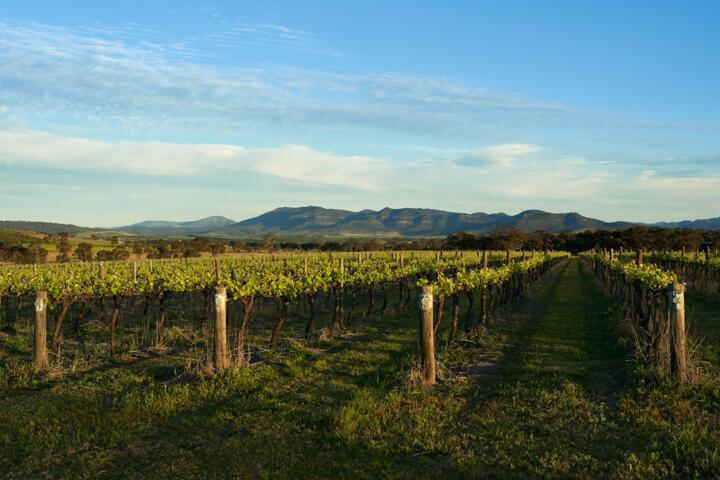
Australia’s Top Wine Regions
Australian wine regions blend unique terroir with sophisticated winemaking traditions, attracting luxury travelers seeking more than just a tasting. The Barossa Valley, Yarra Valley, Margaret River, and McLaren Vale rank among the most prestigious. For example, Barossa Valley accounts for nearly 14% of Australia’s wine production but is also famous for ultra-premium Shiraz. The Yarra Valley, just an hour east of Melbourne, thrives with cool-climate varieties such as Pinot Noir and Chardonnay, favored in fine dining venues.
Luxury means exclusive vineyard tours, boutique cellar doors, and on-site gourmet restaurants, not just mass production. Australia boasts over 65 officially recognized wine regions, but not all offer luxury experiences. Only a handful prioritize craftsmanship, high-end accommodation, and gastronomic synergy, catering to refined palates.
Visits often include behind-the-scenes vineyard access and limited-release wine tastings available only at cellar doors. Some estates produce as few as 5,000 bottles annually, ensuring rarity and attention to detail. Timing your trip around harvest festivals or private wine dinners can elevate the encounter dramatically.
Common Trip Pitfalls
Many travelers concentrate on popular spots like Barossa but overlook other hidden gems such as the Canberra District or Granite Belt, which deliver superior boutique wines and less crowded cellar doors. This leads to packed venues with generic tastings instead of immersive experiences.
Assuming luxury means just the most expensive bottle can cause missed opportunities. True luxury combines quality with personalized service and landscape ambience. Skipping advance bookings often results in limited access to private tours or expert-led tastings. Last-minute visits frequently end up as rushed walks through tasting rooms with little insight.
Beyond disappointments, inadequate planning forces travelers to drive long stretches between vineyards without structured routes, reducing enjoyment and safety. Also, ignoring the interplay of food and wine undervalues comprehensive wine tourism — the synergy elevates both.
Planning Your Luxury Trip
Choose Smaller Estates
Smaller vineyards often concentrate on limited editions, allowing more exclusive access. Places like d'Arenberg in McLaren Vale offer in-depth tastings with winemakers themselves. These estates often have private rooms or outdoor terraces overlooking vines, contributing to intimate settings. Expect flights of 6–8 vintages with expert commentary, sometimes paired with local cheeses or charcuterie.
Book Exclusive Experiences
Reserve focused experiences such as barrel tastings or vineyard walks accompanied by growers. Margaret River’s Voyager Estate, for instance, has a wine and food pairing session that pairs their flagship cabernet with handcrafted chocolates. Often, these require booking weeks ahead and can cost upwards of $100 per person, but the insights and ambience more than justify the premium.
Focus on Regional Cuisine
Pair wine visits with acclaimed regional dining. Yarra Valley features restaurants like Oakridge that emphasize native ingredients matched with estate wines. This approach amplifies tasting notes, revealing nuances one misses when sampling without food. The culinary threads in these regions often extend to olive oils, honey, and artisan bread.
Engage Local Guides
Expert guides provide context no brochure can match. Many luxury tours connect travelers with sommeliers who guide through varietals and vintages based on personal taste. These guiding services average $250–400 for 4–6 hours but reveal facets of the region’s viticulture and history that foster deeper appreciation.
Time Your Visit
Arrival timing affects experience quality. Harvest runs roughly March to May — expect vineyard activities, but tasting rooms can get busy. Conversely, winter months offer quiet, more personalized service though the vineyard views differ. Planning around events such as the Barossa Vintage Festival or Margaret River Gourmet Escape injects energy and networking but requires early reservations.
Stay Onsite or Nearby
Accommodation close to vineyards enhances luxury feel by minimizing transit. Boutique stays like The Louise in Barossa integrate design and terroir, allowing morning walks through vineyards before tasting sessions. Proximity also allows spontaneous visits or extended cellar door hours which, frankly, many visitors miss.
Consider Red and White Varietals
Luxury doesn’t only imply rich reds. Regions like Yarra and Tasmania excel in pinot noir and chardonnay, which pair with different culinary offerings and climates. Sampling across styles deepens understanding and tests personal preference beyond stereotyped Shiraz dominance.
Use Wine Apps Wisely
Tools like Vivino or CellarTracker offer reviews and community insights but rarely replace word-of-mouth advice or scheduled tastings. They often lack details on private experiences. Use them to note interest but weigh personal visits higher.
Real-Life Outcomes
Rochford Wines in the Hunter Valley faced declining visitor numbers due to uninspired general tastings. They revamped by offering small-group vineyard tours, paired wine dinners, and local produce markets. Average visit duration rose from 90 to 210 minutes, and sales increased 30% over two years.
Meanwhile, Cape Mentelle Wines in Margaret River introduced a wine education series featuring winemakers revealing blending secrets. Attendee feedback rated it 4.7 out of 5, and their direct-to-consumer online sales grew 18% in 2023, a small but telling increment in a competitive market.
Top Region Breakdown
| Region | Famous Varietal | Premium Estates | Unique Experience |
|---|---|---|---|
| Barossa Valley | Shiraz | Torbreck, Penfolds | Private barrel tastings |
| Yarra Valley | Pinot Noir | Yering Station, Oakridge | Culinary pairing menus |
| Margaret River | Cabernet Sauvignon | Cape Mentelle, Voyager Estate | Winemaker-led tours |
| McLaren Vale | Grenache, Shiraz | d’Arenberg, Wirra Wirra | Contemporary wine art tours |
Errors to Avoid
Rushing through regions diminishes the luxury feel; do not cram too many vineyards in one day. Spend at least half a day per region, more for the Barossa. Trying only flagship wines without exploring single-vineyard or reserve bottles misses subtle terroir distinctions.
Choosing generic tastings without asking questions forfeits knowledge gain. Do not neglect local advice on hidden cellar doors or seasonal events. Sometimes, skipping the big names leads to lesser-known but elevated encounters. Avoid driving fatigued – arrange transport if visiting multiple vineyards nonstop.
Ignoring meal timing weakens wine appreciation. Wine and food harmony heightens complexity and pleasure. Overlooking off-peak season visits can rob you of intimacy with winemakers, vendors, and settings. Luxury means an experience, not just a price tag.
FAQ
Which region has the rarest wines?
Barossa Valley and Margaret River feature small-lot releases with rarities. Some vineyards bottle fewer than 2,000 annually, making collector editions exclusive.
When is the best time to visit?
Late summer to early autumn (February to April) highlights harvest and active cellar doors, but winter months offer quieter tastings and scenic vintages.
Are private tastings expensive?
Expect to pay $60–150 per person. The price covers expert guidance, food pairings, and sometimes access to unreleased wines.
Can I combine wine tasting with culinary tours?
Absolutely. Regions like Yarra and Margaret River excel in wine-food experiences linked to local produce markets, gourmet restaurants, and cooking classes.
Is transport available for wine tours?
Yes, many regions offer chauffeured wine tours or luxury vehicle rentals, essential for safe travel and relaxed enjoyment.
Author's Insight
Over a decade of vineyard hopping taught me the best wine experiences come from slow, deliberate visits with fewer stops. Once, I booked a last-minute tasting at a McLaren Vale boutique and it was fuller than expected, which, frankly, most people skip. Personal interaction with winemakers reveals stories behind each vintage that no label conveys. Plan, but leave space for spontaneity — a seasonal event or unique pairing can surprise you.
Summary
Choosing wine regions that prioritize craftsmanship and intimate experiences elevates any trip. Book small estates, plan around harvest, and include gourmet food for deeper tastings. Avoid overbooking, seek guides, and factor in rest between tastings. Ultimately, luxury wine tourism in Australia hinges on quality interaction, rare vintages, and setting harmony — not just the price or volume of wine poured.