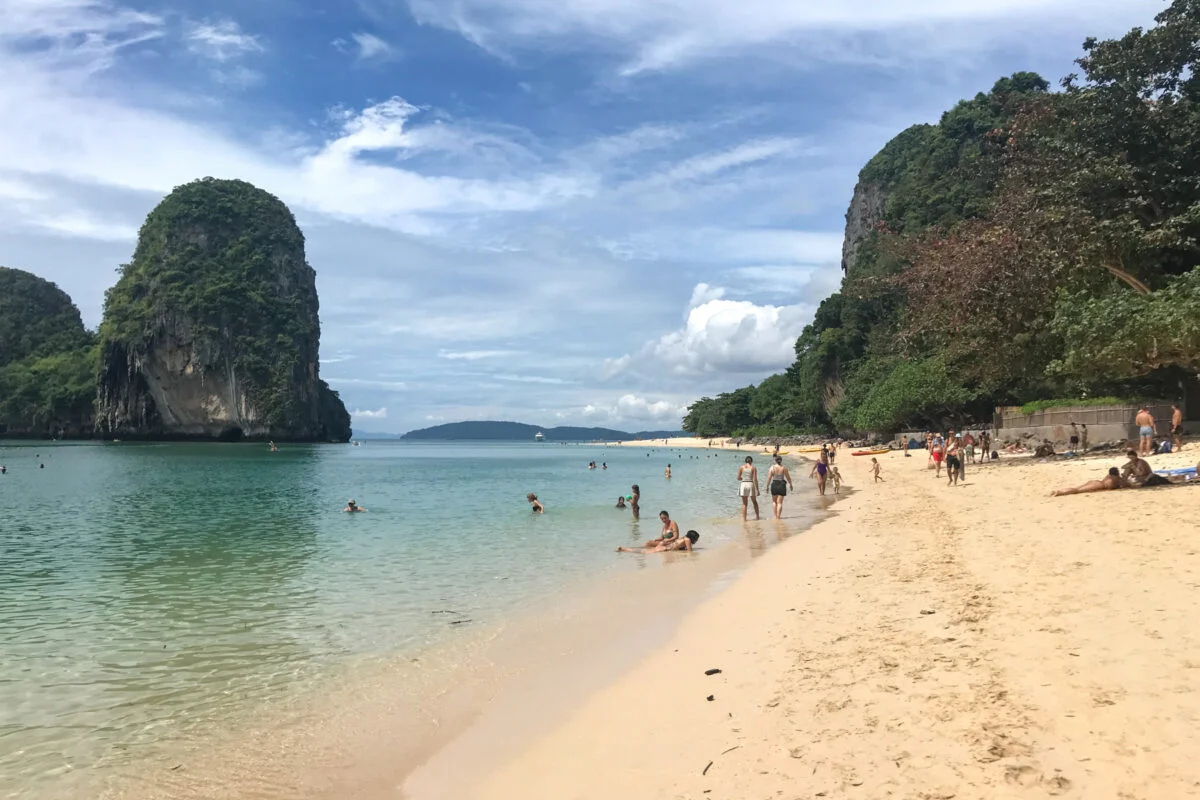
Geography and Scope
Mainland Southeast Asia, also called Indochina, includes countries like Vietnam, Thailand, Cambodia, Laos, Myanmar, and the peninsular part of Malaysia. Island Southeast Asia comprises Indonesia, the Philippines, Brunei, East Malaysia in Borneo, Singapore, and Timor-Leste. This geographic split covers roughly 4.5 million square kilometers and a diverse population exceeding 650 million as of 2023.
The mainland is a vast continuous landmass connected to continental Asia. The islands are thousands of separated landforms spread across two major archipelagos: the Malay Archipelago and the Philippine Archipelago. For example, Indonesia alone has over 17,000 islands.
Connectivity and terrain stand out as defining factors: rugged mountains and river systems dominate the mainland, while volcanic islands and dense rainforests characterize the island region. This division heavily influences climate patterns, biodiversity, and human settlements.
Population density varies sharply; Vietnam, part of the mainland, hosts around 97 million people, while Indonesia leads the island cluster with over 275 million residents.
The split matters beyond maps; it shapes culture, economics, and infrastructure.
Common Misconceptions
People often mistake Southeast Asia as a uniform region. This simplification obscures distinct historical and cultural pathways. Mainland Southeast Asia largely followed land-based trade routes linked to India, China, and Central Asia, while island nations thrived through maritime commerce backed by monsoon winds.
This matters because strategies that work in one subregion may fail in another. Assuming uniform logistics or cultural interactions can cause unforeseen problems for international businesses or travelers.
For instance, infrastructure development in mainland capitals typically leverages rail and road networks, yet islands rely heavily on ports and air travel, creating costly gaps in regional supply chains.
Ignoring these differences leads to misplaced investments or misguided policy designs, resulting in inefficiencies and local pushback.
Political systems also diverge. Mainland countries often feature centralized governance rooted in historical kingdoms, whereas many island nations embrace decentralized or federated models adapted for archipelagic governance.
Practical Solutions
Transport Planning
Focus on multimodal solutions tuned to terrain. Mainland projects benefit from expanding railways and highways, like Thailand’s rail extension plans aiming for 7,000 km by 2030. Island states invest in ferry networks and flights; AirAsia, with 300+ routes across ASEAN, plays a significant role.
Trade Facilitation
Leverage regional trade agreements that respect logistic realities. The ASEAN Free Trade Area prioritizes tariff reduction but also encourages infrastructure upgrades. Effective customs procedures at islands’ ports such as Batam (Indonesia) or Cebu (Philippines) facilitate smoother goods flow.
Cultural Engagement
Respect local traditions and languages. Mainland regions often speak tonal languages like Thai or Vietnamese, while island communities use Austronesian languages with multiple dialects, requiring tailored communication strategies for education or marketing.
Tourism Development
Design diverse offerings reflecting geographic and cultural assets. Mainland sites include Angkor Wat or Luang Prabang, focusing on heritage tourism, whereas island destinations like Bali or Palawan emphasize ecotourism and beach resorts. Investments need precise targeting.
Governance Models
Adopt political frameworks fitting the geography. Decentralization suits the Philippines’ islands, easing local governance, while Thailand’s centralized ministries oversee mainland provinces efficiently. Knowing these differences informs collaboration and aid.
Environmental Management
Deploy strategies fitting physical risks. Mainland faces deforestation and floods from monsoons; islands confront rising sea levels and coral bleaching. Regional environmental groups track this data; Indonesias’s REDD+ projects reduce forest loss.
Language and Education
Tailor curricula to underline regional heritage. Mainland curricula integrate Buddhist and Confucian teachings; island education highlights maritime skills and indigenous knowledge. Digital education platforms like Ruangguru (Indonesia) adapt local content reflecting these needs.
Infrastructure Investment
Prioritize projects balancing cost and utility. Mainland railways yield fast results for mass transport. Island infrastructure requires maintaining numerous ports or airports—both expensive but necessary. Asian Development Bank funds $2 billion in regional connectivity projects currently.
Healthcare Delivery
Optimize delivery based on accessibility challenges. Urban mainland hospitals serve dense populations, island clinics rely on telemedicine or periodic outreach programs. Countries like Malaysia use drone technology in Sabah to deliver vaccines across islands.
Regional Examples
The Singapore–Malaysia case shows contrasting development paths. Singapore, an island city-state, leveraged port and financial services, creating one of the world’s busiest ports handling 37 million TEUs (twenty-foot equivalent units) of containers in 2022. Malaysia’s mainland territories still prioritize manufacturing and agriculture, with wider rural populations.
Indonesia’s fragmented archipelago posed coordination challenges for logistics and administration. The government’s ""Sea Toll"" program launched in 2016 aimed to reduce price disparities by subsidizing transport routes linking remote islands. This effort cut cargo costs by 20%-30% within 5 years.
Vietnam invested heavily in road and rail upgrades across its mainland regions. High-speed rail options have been planned but remain stuck in bureaucratic hurdles, frustrating transport specialists who track delays back to policy misalignment and funding issues.
Feature Comparison
| Feature | Mainland | Island | Example |
|---|---|---|---|
| Area (million km²) | 2.7 | 1.8 | Vietnam / Indonesia |
| Population (millions) | ~250 | ~400 | Thailand / Philippines |
| Governance | Centralized | Decentralized | Cambodia / Indonesia |
| Transport | Road + Rail | Air + Sea | Vietnam / Philippines |
| Key Industry | Agriculture + Manufacturing | Maritime Trade + Tourism | Laos / Bali |
| Language Families | Sino-Tibetan, Austroasiatic | Austronesian | Vietnam / Philippines |
Recurring Errors
Assuming uniform culture or language across Southeast Asia leads to poor communication and strategy failure. For example, marketing materials that do not consider tonal differences or local scripts get ignored or misunderstood.
Ignoring geographic barriers ruins supply chains. Shipping delays happen when mainland companies underestimate the complexity of island logistics, especially for small-scale or perishable goods.
Expecting the same infrastructure quality everywhere causes frustration. Islands typically lack extensive rail systems, and mainland rural roads sometimes remain substandard, making last-mile delivery tricky for operators like J&T Express or Gojek.
Missing out on decentralized governance nuances causes inefficient project rollout. For example, Indonesia’s local autonomy laws require company and NGO partnerships at provincial levels that outsiders often overlook.
Not recognizing environmental vulnerabilities leads to wasted investment in mainland flood-prone regions or island erosion zones without mitigation plans.
FAQ
What countries are in Mainland Southeast Asia?
They include Myanmar, Thailand, Laos, Cambodia, Vietnam, and peninsular Malaysia.
Why is Island Southeast Asia fragmented?
It consists of thousands of islands spread across the Malay and Philippine archipelagoes, created by volcanic and tectonic activity.
How does transportation differ between these regions?
Mainland uses more roads and rail; island regions depend on air and sea transport, often with multiple forms combined.
Do cultures differ significantly between mainland and islands?
Yes, mainland cultures tend to have Indian and Chinese influences via land routes, while island cultures evolved through maritime interactions with diverse Austronesian roots.
Are economic activities different?
Mainland regions focus on agriculture, manufacturing, and inland trade; island economies rely on fisheries, tourism, and port services.
Author's Insight
Having traveled extensively between Hanoi, Kuala Lumpur, and Jakarta during my consulting career, I witnessed firsthand how deeply infrastructure shapes life. Projects that succeeded accounted for geographic and cultural realities. I recommend stakeholders spend time visiting multiple locations rather than relying on data alone. That on-the-ground perspective reveals nuances in language, governance, even weather patterns, which influence outcomes. Southeast Asia is not one monolith; it’s complex, dynamic, and fascinating.
Key Takeaways
Mainland and Island Southeast Asia differ significantly in geography, culture, and development patterns. Businesses, travelers, and policymakers must tailor their approaches accordingly. Success demands understanding local languages, governance systems, and infrastructure constraints rather than assuming regional uniformity. Practical investments focus on multimodal transport, decentralized governance, and climate resiliency reflecting terrain. Learning these distinctions reduces risk and unlocks better engagement across this vast, diverse region.