Understanding Dress Norms
Dress codes in the Middle East reflect centuries of tradition intertwined with Islamic principles and contemporary social codes. Countries in this region often demand modesty, though interpretations differ. For example, Saudi Arabia enforces a strict dress code legally requiring women to wear an abaya, while in Dubai, the dress rules are notably more relaxed for foreigners. Approximately 75% of the Middle East population adheres to Islamic dress customs, impacting public expectations.
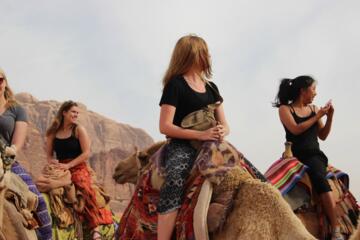
The key detail: clothes must cover shoulders and knees in most public spaces. Residents and visitors alike need to respect this to prevent fines or social friction. Men typically avoid shorts or sleeveless shirts outside resorts or gyms. Context shapes what is appropriate fashion.
Common Issues Seen
Ignoring local dress customs causes trouble. Tourists wear beachwear outside designated zones, triggering warnings or arrests. Some business travelers misread the boundary between professional attire and culturally blunt displays. This lack of clarity can lead to exclusion from events or poor client impressions. Certain landmarks have posted dress policies, but enforcement varies widely.
Without preparation, newly arrived expatriates face social isolation or uncomfortable confrontations. In a few Gulf states, improper dress risks fines up to 3,000 dirhams or even jail. Visitors mistakenly assuming a universal Middle East standard miss vast cultural varieties—Oman, for instance, has a different norm from Lebanon or Egypt. Such differences can affect comfort, safety, and respectability significantly.
Rules and Tips to Follow
Wear Loose Clothing
Loose fits reduce the risk of offending conservative tastes. It works because tight or see-through clothes might be considered provocative. Loose cotton shirts or linen trousers fit the bill. Brands like Uniqlo have lines mindful of warmer climates and modesty; some pieces serve well on Gulf trips.
Cover Shoulders and Knees
Short sleeves or tank tops invite unwanted attention. This is why many recommend long-sleeve blouses or cardigans even in heat. For men, cargo pants or jeans are preferable to shorts. In places such as Abu Dhabi, this avoids issues and sometimes entry denial.
Respect Women’s Dress Codes
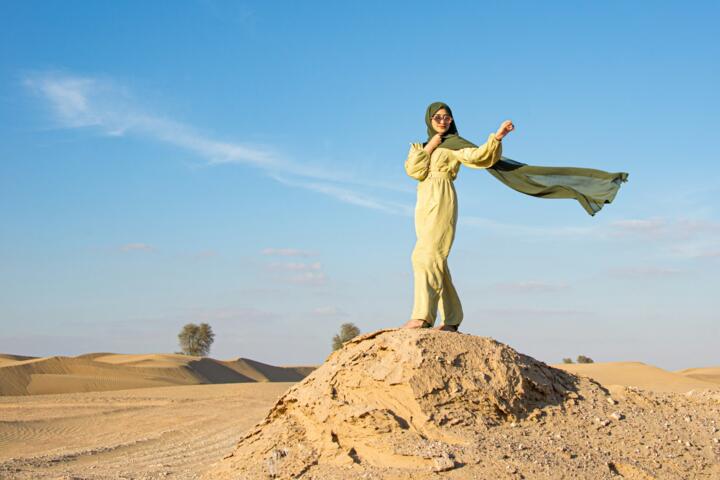
Saudi Arabia mandates abayas for women in public—a flowing black robe. Outside Saudi, it is often optional but respectful to wear something covering the arms and legs. Hijabs vary by country and personal choice. Choose an approach that fits your host’s expectations; carrying a lightweight scarf is a smart move.
Observe Wedding and Events Dress Customs
Celebrations demand specific attire, often traditional thobes or kaftans for men, and embroidered dresses for women. Being caught underdressed or overdressed can create awkwardness. Local tailors or shops often provide quick rentals or purchases at reasonable prices.
Adapt to Business Norms
Corporate Middle East often mixes Western business wear with cultural elements. Dark suits and ties for men work well; women should wear covered dresses or suits avoiding revealing cuts. Many firms have internal codes; HR can provide updated dress manuals.
Use Layering to Adjust
Desert heat plus air conditioning indoors complicates choices. Layering lets you remove or add to suit the environment. An outdoor caftan with an inner shirt is one example. Packing a thin jacket or shawl is advisable—some models from Columbia or Patagonia make stylish, functional pieces.
Choose Footwear Wisely
Sandals and open shoes are commonplace but in conservative places closed shoes signal respect. For men, leather loafers suit most occasions; women often select flats with covers over open toes in religious settings. Practicality plus style comes from brands like Clarks or Ecco.
Mind Religious Sites Rules
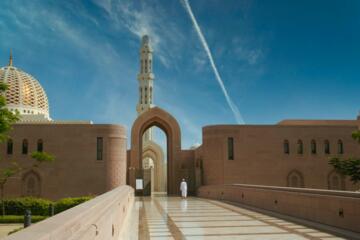
Mosques require removing shoes and very modest dress—often head-cover for women and long sleeves for everyone. Some sites offer loaner abayas or scarves, which help visitors appreciate the practice while respecting norms.
Prepare for Seasonal Changes
Winter months may require heavier fabrics but still modest cuts. Wool blends or synthetic layers adapted for Middle Eastern cold, like those from The North Face—model 4.2, part of my recent kit—work well. Summers call for breathable natural fibers.
Practical Cases Explained
A multinational company entering Riyadh initially saw high turnover and HR complaints related to dress misunderstanding. They introduced an orientation program with tailored dress code training and partnered with a local clothing supplier for staff uniforms. Within six months, compliance rose by 90%. Productivity improved too.
In Dubai, a European fashion brand opened a store but placed scant emphasis on respecting modesty-sensitive customers. Negative reviews flooded social media, cutting sales 20% below forecast. The brand quickly adjusted window displays, introduced modest clothing lines, and trained staff on cultural awareness. Reputation rebounded within months.
Quick Dress Code Checklist
| Aspect | Men | Women | Comments |
|---|---|---|---|
| Upper Body | Long sleeves preferred | Covered shoulders, long sleeves | Avoid sheer fabrics |
| Lower Body | Pants covering knees | Long skirts or pants | No shorts |
| Head Covering | Usually no | Required in some areas | Bring a scarf |
| Footwear | Closed shoes best | Flats or low heels | Sandals in private |
Errors and Fixes
Ignoring the subtleties of layered rules often causes the most friction. For example, assuming Dubai’s leniency applies across Saudi Arabia leads to sanctions. Dressing too casually at meetings can signal disrespect, hurting negotiations. Overaccessorizing or flashy clothes may be seen as attention-seeking.
Avoid these pitfalls by researching exact locations, consulting locals, or referral sites like Visit Saudi or Dubai Tourism’s official portals. Carry a modesty scarf in your bag. And don’t be shy about asking colleagues or hosts—customs evolve and your hosts appreciate the effort.
FAQ
Is an abaya mandatory everywhere?
No. It is mandatory only in Saudi Arabia for women in public. Some conservative areas in other Gulf countries expect modest dressing but may not require an abaya.
Can men wear shorts in public?
Typically, no. Shorts are considered informal and are discouraged outside gyms, beaches, or private compounds. Long pants are standard for public and business settings.
What about headscarves for women?
Headscarves are compulsory in specific religious or conservative areas. Tourist locations, hotels, and some cities do not require them but carrying one for respect is wise.
Are tattoos and piercings acceptable?
Visible tattoos may draw attention but are not illegal. Piercings are more accepted but modesty in overall appearance is recommended.
Where can I buy suitable clothes locally?
Major malls like Dubai Mall, Mall of the Emirates, or Riyadh’s Kingdom Centre offer modest wear sections. Traditional souks also sell abayas and scarves at variable quality and price.
Author's Insight
Living in Dubai for over five years, I quickly learned that modesty in dress opens doors—not just socially but professionally. One misstep in a client meeting forced me to adjust instantly; a simple long sleeve shirt changed the room’s tone. Experience showed me that respecting dress codes demonstrates cultural curiosity and adaptability, which employers value highly here.
Summary
Middle Eastern dress codes mix tradition, religion, and local laws. Modest clothing covering shoulders and knees remains a baseline. Different countries and settings demand adjusted looks; research saves hassle. Plan with layering, carry scarves, and prefer loose fits. Respectful dressing smooths interactions, reduces risk, and opens opportunities during your stay or business in the region.