Distinct City Profiles
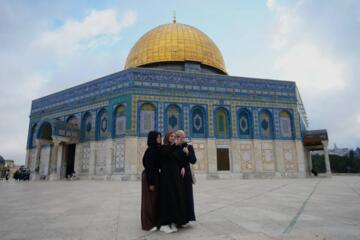
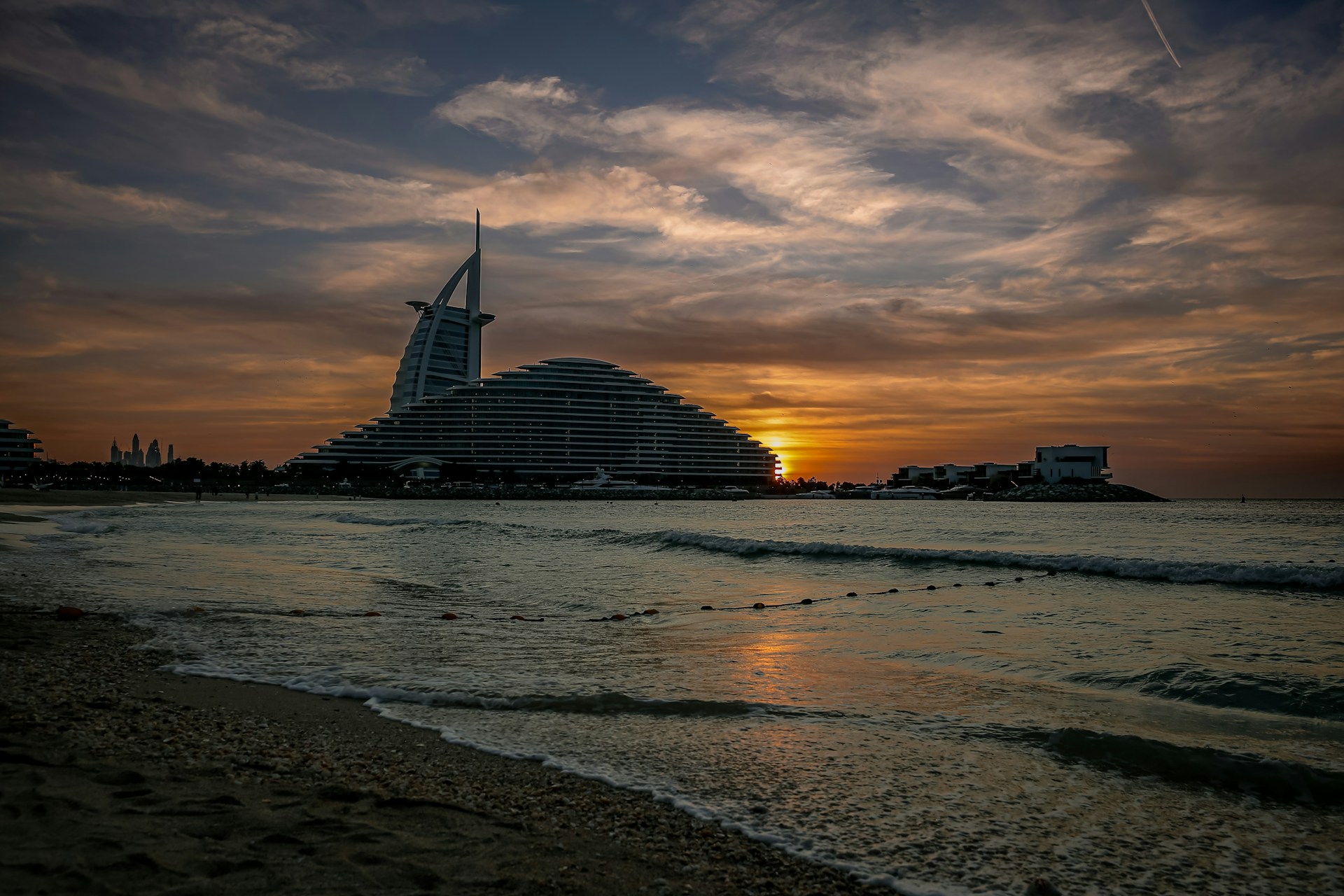
Gulf cities like Dubai, Doha, and Abu Dhabi have risen spectacularly in a few decades. Older capitals such as Cairo, Baghdad, and Damascus embody centuries of layered history. Population data shows Dubai grew from tens of thousands in the 1950s to over 3 million today, while Cairo expanded gradually over millennia to 20 million residents. Modern infrastructure dominates Gulf cities; narrow streets and ancient quarters define older capitals. Life in these urban centers offers starkly different experiences, shaped by their age and growth trajectory.
The contrast between planned expansion and organic growth frames this divide. Gulf cities emphasize skyscrapers and highways; older capitals prioritize preservation and adaptation.
Common Misconceptions
Many assume Gulf cities simply imitate Western models of development. The reality includes unique adaptations to climate, economy, and culture that older capitals lack. Some see older capitals as overcrowded and outdated without recognizing their rich social networks and historic value. Ignoring these distinctions leads to flawed urban policies and misguided investments. For example, Doha’s rapid transit deployment meets the demands of a transient workforce, a need different from Cairo's sustained local populace. Confusing the two can result in initiatives that only superficially address local issues.
Actions to Clarify Differences
Analyze urban planning methods
Study zoning, land use, and building codes. Gulf cities often use master plans with fixed timelines; Dubai’s 2040 urban strategy is a prime example. Older capitals adapt incrementally, merging new structures within old neighborhoods. Urban planners should review historical maps alongside modern proposals, revealing the contrasting approaches clearly.
Evaluate infrastructure quality and coverage
Check public transit reach, road networks, and utilities. For instance, Abu Dhabi’s highways span over 400 kilometers with integrated metro lines, rare in older capitals that rely heavily on informal transit. Use satellite data and municipal reports to quantify infrastructure deployment.
Study economic drivers
Gulf cities rely heavily on oil revenues, global finance, tourism, and free zones — for example, Dubai International Financial Centre. Older capitals often have economies rooted in agriculture, localized commerce, and government services. Researching economic data from World Bank or local statistics departments highlights these contrasts.
Compare population demographics
Look at migrant ratios, age distribution, and growth rates. Dubai’s expatriate population exceeds 80%, influencing culture and housing needs. Older capitals maintain larger native populations with slower growth. Demographic studies clarify social fabric differences essential for policy decisions.
Assess cultural layers
Older capitals feature UNESCO sites and ancient architecture intertwined with daily life — consider Damascus’s Old City. Gulf cities emphasize futuristic architecture and planned cultural events. Visit cultural heritage databases and urban anthropology literature to understand nuances.
Monitor environmental and sustainability efforts
Gulf cities invest in green buildings and solar projects, like Masdar City near Abu Dhabi, designed to be carbon-neutral by 2030. Older capitals often struggle with pollution and water scarcity due to population density and infrastructure age. Environmental impact assessments shed light on how these cities adapt.
Review governance and policy frameworks
Gulf cities generally operate under centralized, monarchic governance that fast-tracks decisions, a factor behind rapid urban changes. Older capitals may have complex bureaucracies slowing development but enabling more inclusive processes. Analyzing city charters and government publications illuminates this.
Analyze housing markets
Gulf cities' housing features luxury towers and gated communities, supporting transient international workers, while older capitals often depend on informal settlements or mixed-income neighborhoods. Real estate reports (e.g., JLL or Knight Frank 2023) assist in drawing these distinctions.
Consider transportation habits
Car dependency is dominant in Gulf cities due to urban sprawl. Older capitals often rely on crowded buses, minibuses, or walking. Traffic studies and commuter surveys expose these patterns with real data.
Urban Stories
Dubai’s Transport Master Plan (2015) tackled public transit gaps by launching the metro system and tramlines. This transformed commute times, cutting average transfers by 35%, despite traffic rising. Conversely, Cairo faced difficulties easing congestion through new road projects alone, as informal settlements expanded near highways. Implementing bus rapid transit in 2014 reduced average commute times by 20%. Both examples highlight tailored solutions based on city type.
Contrast Guide
| Aspect | Gulf Cities | Older Capitals | Example |
|---|---|---|---|
| Urban Age | <10 decades | Millennia-old | Dubai vs. Cairo |
| Population Mix | High expats (70–90%) | Predominantly locals | Doha vs. Baghdad |
| Economic Base | Oil, finance, tourism | Trade, agriculture, industry | Abu Dhabi vs. Damascus |
| Infrastructure | Modern, planned | Adapting old fabric | Abu Dhabi vs. Cairo |
| Cultural Layer | New, festival-driven | Historical depth | Dubai vs. Tripoli |
| Governance | Centralized, fast | Complex, slow | Qatar vs. Iraq |
Errors to skip
Assuming faster equals better blinds us to social consequences; rapid growth can strain resources, as seen in some Gulf cities’ labor housing problems. Underestimating infrastructure decay in older capitals leads to unsafe conditions. Copying Gulf city models blindly fails because of different cultural expectations. Avoid ignoring local voices — developers frequently do, and it causes backlash. Ignoring transport diversity reduces access for many. Use data, consult experts, and respect legacy to avoid these traps.
FAQ
What distinguishes Gulf cities architecturally?
They typically feature ultra-modern skyscrapers, often glass-clad and designed to impress international audiences, versus older capitals’ historic buildings interwoven with modern infill.
Are Gulf cities more expensive to live in?
Generally, yes. Housing and services in Gulf cities reflect affluent transient populations, driving prices higher than many older capitals with lower average incomes.
How do public transit systems compare?
Gulf cities like Dubai have extensive metro and tram systems built recently, whereas older capitals rely more on informal and outdated transport modes.
Do Gulf cities preserve cultural heritage?
They preserve selectively, often rebuilding or relocating traditional sites, creating sometimes artificial but curated heritage zones rather than continuous urban fabric.
What challenges face older capitals?
They grapple with overcrowding, aging infrastructure, and balancing modernization with historic preservation under tight budgets.
Author's Insight
I have observed firsthand how planning in Gulf cities moves with incredible speed, pushing boundaries of design and technology. The flip side is that older capitals remain alive with human-scale complexity that no master plan can replicate overnight. In my work, bridging these worlds means understanding both rapid innovation and deep roots, or risk ending up with solutions that satisfy neither. I recommend thorough site visits and local consultations before drawing conclusions.
Final Thoughts
Gulf cities and older capitals reflect contrasting growth methods, economies, and cultures. Recognizing these differences prevents missteps in urban development and investment. Detailed data analysis, respect for local conditions, and tailored planning make all the difference. Know your city first, then decide the right path forward.