Beyond Greenwashing: Defining the True High-End Eco-Lodge
The concept of "ultra-luxe" in the eco-sector has shifted from a simple lack of plastic straws to complex, closed-loop systems that don't compromise on guest comfort. Modern travelers aren't looking for less; they are looking for "better." A true eco-lodge today must operate with the precision of a Swiss watch while disappearing into its natural surroundings.
Practical examples include the use of Tesla Powerpack systems for 24/7 silent energy in remote locations and atmospheric water generators (AWG) that create mineralized drinking water from thin air. For instance, high-end properties in the Atacama Desert now utilize fog-harvesting technology to irrigate organic gardens that supply Michelin-standard kitchens.
The numbers back this shift: according to recent Virtuoso travel reports, 82% of luxury travelers want to travel more sustainably, and 70% say that sustainable travel enhances their experience. In terms of valuation, "green-certified" luxury assets often command a 15-20% ADR (Average Daily Rate) premium over their conventional counterparts due to their unique, "un-replicable" locations.
The Critical Friction Points in High-End Sustainable Operations
Many operators fail because they view sustainability as a series of sacrifices rather than an engineering challenge. The most common mistake is "performance gaps"—where eco-friendly systems fail to meet the high-pressure demands of a luxury guest. For example, low-flow showerheads that feel "weak" or geothermal cooling systems that cannot handle a 40°C heatwave lead to immediate guest dissatisfaction and brand damage.
Inefficient waste management is another pain point. Transporting waste out of remote areas via diesel trucks negates any "green" claims. In 2023, a prominent lodge in Southeast Asia faced a PR crisis when it was discovered their "compostable" waste was simply being dumped in a nearby ravine due to a lack of industrial composting infrastructure.
The consequences of these failures are more than just bad reviews; they result in high operational overheads. Relying on imported goods instead of building local supply chains can increase food and beverage costs by up to 40%. When a property fails to integrate with its local community, it faces security risks, labor shortages, and a lack of authentic cultural programming—the very thing ultra-high-net-worth (UHNW) guests pay for.
Strategic Implementation of Sustainable Opulence
Precision Energy Management via Smart Microgrids
The foundation of a luxury eco-lodge is invisible power. Using Schneider Electric EcoStruxure or similar microgrid controllers allows a lodge to prioritize energy loads. During peak times, power is funneled to guest suites for climate control, while laundry and desalination processes run during solar peaks. This ensures that a guest never experiences a flicker of light or a drop in AC performance.
Biophilic Architecture and Passive Cooling
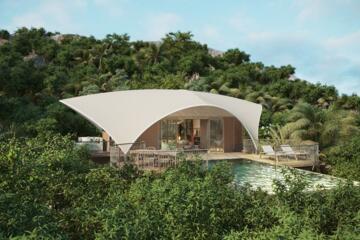
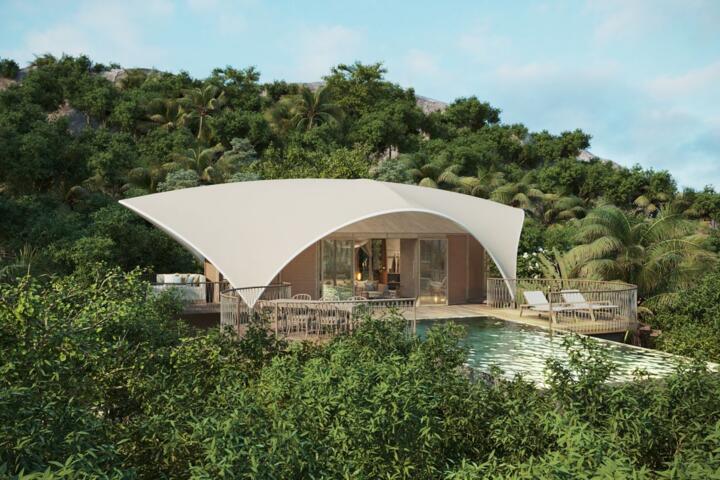
Architects like Bill Bensley have pioneered "minimal intervention" construction, where rooms are built around trees rather than through them. Utilizing the Venturi effect for natural ventilation can reduce HVAC energy consumption by 60%. In practice, this looks like elevated structures that allow air to circulate underneath and green roofs that provide thermal mass, keeping interiors naturally cool even in tropical climates.
Circular Water Systems and Greywater Luxury
Water is the most precious resource in remote luxury. Implementing MBR (Membrane Bioreactor) technology allows a property to treat 100% of its wastewater to a standard where it can be used for lush, ornamental landscaping or even flushing. This creates an oasis effect in arid regions without depleting local aquifers, saving thousands of dollars in water procurement costs annually.
Farm-to-Table 2.0: Vertical Farming and Permaculture
High-end service requires ingredients like microgreens and heirloom tomatoes that don't survive long transport. By installing LettUs Grow aeroponic systems or maintaining onsite permaculture forests, lodges can provide "hyper-local" dining. A chef picking herbs 10 meters from the guest's table isn't just eco-friendly; it is the ultimate expression of luxury and freshness.
Zero-Waste Logistics and Biodegradable Supply Chains
Eliminating single-use plastic is the baseline. The expert level involves working with suppliers like EcoVadis-rated partners to ensure all back-of-house packaging is returnable or compostable. High-end lodges now use ORCA aerobic digesters to turn food waste into liquid that can be safely discharged, eliminating the need for "trash rooms" and the associated pests and odors.
Empowering Local Communities as Stakeholders
Sustainability includes the human element. The Soneva model involves an "environmental levy" (often 2%) that goes directly into local social projects. This creates a protective "ring" of community support around the property. When local residents are trained as sommeliers or managers, the turnover rate drops significantly, reducing the massive costs associated with expat recruitment and housing.
Practical Success Stories in the Wild
Case Study 1: The Safari Evolution
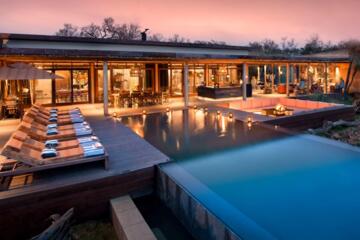
A luxury camp in the Okavango Delta replaced its diesel generators with a 1-megawatt solar farm and a massive battery bank.
The Problem: Noise pollution from generators was driving away wildlife and ruining the guest experience.
The Solution: A $1.5 million investment in solar and an electric safari vehicle fleet (converted Land Rovers).
The Result: Fuel costs dropped by 90%, and wildlife sightings within the camp perimeter increased by 35% due to the silence. The ROI was achieved in just 4.5 years.
Case Study 2: The Island Sanctuary
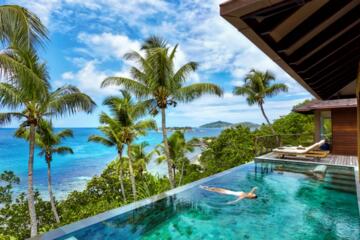
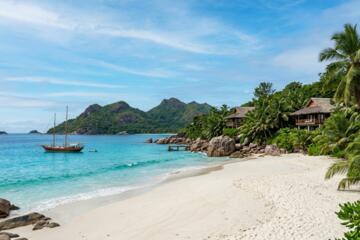
An ultra-luxe private island in the Seychelles implemented a comprehensive coral restoration project.
The Problem: Bleaching was destroying the house reef, the property's main attraction.
The Solution: Hiring full-time marine biologists and using Biorock technology to accelerate coral growth.
The Result: The reef recovered 2x faster than surrounding areas, leading to a 25% increase in repeat bookings from diving enthusiasts and a significant boost in global media coverage.
Essential Technology Comparison for Eco-Luxe Properties
| Technology Category | Standard Solution | Ultra-Luxe Eco Solution | Primary Benefit |
|---|---|---|---|
| Energy Storage | Lead-Acid Batteries | Lithium-Ion / Solid State | Longer lifespan, 95% efficiency, zero maintenance. |
| Climate Control | Standard Split AC | Variable Refrigerant Flow (VRF) | Ultra-quiet operation, up to 50% energy savings. |
| Waste Management | Off-site Landfill | On-site Pyrolysis / Digesters | Zero odor, produces energy or fertilizer onsite. |
| Water Supply | Trucked-in Water | Solar Desalination / AWG | Total independence from local municipal strain. |
Frequent Pitfalls and Strategic Avoidance
One major error is "Technology Overload." Installing complex smart-room systems that require a manual to operate frustrates guests. The goal should be invisible tech. If a guest has to call maintenance to figure out how to turn off the "eco-mode" lights, you have failed. Use physical, intuitive switches that interface with a high-end backend like Control4 or Crestron.
Another mistake is neglecting the "Last Mile" of the supply chain. You can have a zero-carbon resort, but if your guests arrive via a high-emission old boat or van, the narrative breaks. Forward-thinking lodges are now partnering with electric aviation firms like Eviation or using electric speedboats from X Shore to ensure the sustainable journey begins the moment the guest leaves the airport.
Finally, avoid "Ecological Isolation." Many lodges build a green bubble but ignore the plastic pollution in the village five miles away. True luxury guests are savvy; they see the disconnect. Integration is key—organize beach clean-ups where guests can participate or fund local waste collection infrastructure. This builds "social license" and authenticates your brand.
Frequently Asked Questions
Do eco-lodges have to sacrifice air conditioning for sustainability?
No. Using VRF (Variable Refrigerant Flow) systems powered by solar-plus-storage allows for 24/7 climate control. Additionally, architectural shading and building orientation significantly reduce the load required to keep rooms cool.
How do remote lodges handle high-speed internet sustainably?
Most ultra-luxe remote properties now utilize Starlink Business, which provides high-speed, low-latency satellite internet with minimal physical infrastructure. The power draw is negligible and can be easily covered by a small dedicated solar panel.
Is it possible to offer a gourmet menu using only local ingredients?
Yes, but it requires a "Regenerative Food Design" approach. This involves working with local farmers to grow specific non-native crops in greenhouses or utilizing hydroponics to ensure a steady supply of high-end produce without the carbon footprint of air freight.
Are electric safari vehicles as capable as diesel ones?
Actually, they are often superior. Electric motors provide instant torque, which is excellent for off-roading. More importantly, the near-silent operation allows guides to get much closer to wildlife without disturbing them, providing a superior guest experience.
Does building sustainably cost significantly more?
The initial Capex (Capital Expenditure) is typically 10-15% higher due to specialized systems. However, the Opex (Operating Expenditure) is drastically lower due to reduced utility bills and waste fees. Most properties see a full return on the "green premium" within 3 to 6 years.
Author’s Insight
In my years observing the high-end hospitality market, I’ve realized that sustainability is the ultimate "flex" for a luxury brand. It demonstrates a level of engineering sophistication and foresight that a gold-plated lobby simply cannot match. My advice to developers: don't start with the aesthetic; start with the life-support systems of the building. If you solve the water, energy, and waste puzzles first, the luxury experience will flow naturally and stay resilient for decades.
Conclusion
Ultra-luxe eco-lodges represent the pinnacle of modern travel by proving that environmental responsibility and extreme comfort are not mutually exclusive. By investing in smart microgrids, circular water systems, and deep community integration, operators can create "future-proof" assets that resonate with the values of the modern traveler. For those looking to enter this space, the focus must be on invisible sustainability—where the systems are high-tech and zero-impact, but the guest experience remains flawlessly indulgent. The transition to regenerative luxury isn't just an ethical choice; it's the most robust business model for the next generation of hospitality.