The Evolution of the Uluwatu Luxury Landscape
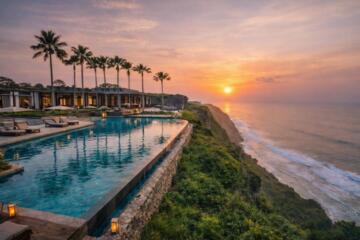
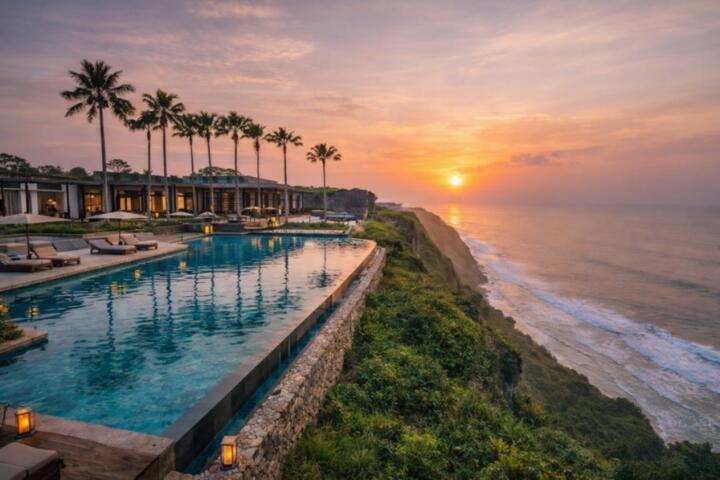
Uluwatu has transitioned from a rugged surfer’s outpost into a global benchmark for "cliff-top luxury." Unlike the manicured lawns of Nusa Dua or the dense greenery of Ubud, the Bukit Peninsula offers a stark, majestic topography. Here, the primary luxury asset is the "uninterrupted horizon," a commodity that has driven property values and nightly rates to some of the highest levels in Southeast Asia.
The engineering required to build on these limestone cliffs is immense, often involving deep piling and cantilevered structures that seem to float over the abyss. From a practical standpoint, staying here means trading direct beach access for dramatic verticality. While most resorts offer "beach clubs" at the base of the cliffs, access often involves private inclines (funiculars) or hundreds of stone steps, making the choice of resort critical based on your physical mobility and desired pace.
Statistically, Uluwatu sees approximately 15% less rainfall than Central Bali during the "green season," making it a strategic choice for travelers visiting between November and March. The region is also home to the Pura Luhur Uluwatu, one of Bali's six spiritual pillars, which adds a layer of cultural gravity to the physical beauty of the location.
The Pitfalls of Misaligned Resort Selection
The most common mistake travelers make is assuming all "cliff-front" properties offer the same experience. Many realize too late that their chosen villa faces a noisy public beach club or is positioned in a "wind tunnel" section of the coast where the afternoon trade winds make outdoor dining impossible. Noise pollution from popular venues like Savaya or Single Fin can carry significantly across the limestone, ruining the "zen" atmosphere many pay $2,000+ per night to achieve.
Another pain point is logistical isolation. Uluwatu’s infrastructure has not kept pace with its development. A resort might be only 5 kilometers from a top-tier restaurant, but the narrow, winding roads can turn that into a 30-minute journey during peak sunset hours. Travelers who fail to book resorts with exceptional in-house culinary programs often find themselves frustrated by the "Uluwatu traffic trap."
Finally, there is the "Monkey Factor." The long-tailed macaques of Uluwatu are legendary for their boldness. Guests who leave balcony doors open or snacks on outdoor tables often face significant property damage or loss of personal items. Resorts that do not have active, humane monkey management teams can provide a stressful rather than relaxing environment for the uninitiated.
Strategic Recommendations for the Discerning Traveler
Prioritize Structural Privacy and Soundproofing
When booking, specifically request villas that are "upwind" or shielded from the major day clubs. Properties like Alila Villas Uluwatu are masterclasses in minimalist design that incorporates natural cooling and sound-dampening volcanic rock. Look for resorts that utilize "lava rock roofs" which not only assist in thermal regulation but also absorb the sound of the crashing waves below, which can be surprisingly loud at night.
Evaluate Funicular Reliability and Beach Access
If ocean swimming is a priority, the quality of the resort’s private incline or elevator is paramount. Bulgari Resort Bali offers one of the most reliable inclines on the coast, leading to a pristine, secluded beach. Before booking, ask the concierge about the tide schedule; many Uluwatu beaches disappear entirely during high tide, meaning your "beach day" might be limited to a three-hour window.
Leverage Professional Butler Services for Off-Site Logistics
To avoid the aforementioned traffic issues, utilize the resort’s "Island Host" or Butler service to pre-arrange "fast-track" transfers or to time your movements. Expert hosts at The Edge Bali know the exact windows when the road to the Uluwatu Temple is clear. Furthermore, ensure your resort offers a private car service rather than relying on ride-sharing apps, which are often restricted by local village "transport mafias" in the Bukit area.
Assess the Culinary Ecosystem
Since you are likely to eat 70% of your meals on-property, the Chef’s pedigree is non-negotiable. Jumeirah Bali, for instance, has invested heavily in its culinary identity, blending Majapahit empire history with modern gastronomy. Look for resorts that offer a "Chef’s Table" experience or have a dedicated sommelier. A resort with only one dining venue will feel repetitive after 48 hours in a remote cliff-top location.
Sustainability and Water Management
The Bukit is naturally arid. Top-tier resorts should demonstrate advanced water desalination and greywater recycling systems. Supporting resorts that invest in the local community—such as those partnering with the Bumi Sehat Foundation—ensures that your luxury stay contributes to the island’s long-term viability. Look for the "EarthCheck" certification as a benchmark for environmental responsibility.
Wellness Beyond the Spa Menu
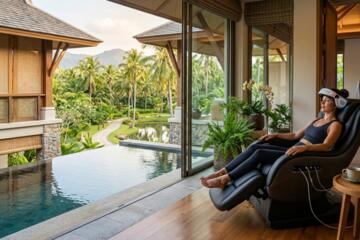
The best resorts now offer "Bio-hacking" or integrative wellness rather than just massages. Six Senses Uluwatu is a leader here, offering sleep analysis and personalized nutrition plans. When selecting a resort, check if they have resident practitioners (yogis, visiting practitioners, or Ayurvedic doctors) rather than just generalist spa therapists.
Operational Excellence: Real-World Scenarios
Case Study 1: The Multi-Generational Retreat
A high-profile family required a 5-bedroom configuration with high security and minimal stairs for elderly grandparents. They initially looked at boutique villas but found the lack of on-site medical support concerning. They chose The Edge Bali. By utilizing the "The View" villa, they secured a sprawling estate with internal elevators and 24/7 butler service. Result: The family maintained total privacy, and the resort’s ability to coordinate a private 10-course dinner in-villa saved them 4 hours of travel time over three days.
Case Study 2: The High-Pressure Corporate Buyout
A fintech firm sought a location for a 40-person leadership retreat requiring "distraction-free" environments and high-speed satellite internet (Starlink integration). They selected Alila Villas Uluwatu. The resort provided a dedicated event coordinator and converted one of the larger three-bedroom villas into a temporary command center. Result: 100% uptime on communications despite the remote cliff location, and the "open-concept" architecture facilitated organic networking that a traditional ballroom setting would have stifled.
Comparison of Premier Uluwatu Estates
| Resort Name | Primary Aesthetic | Beach Access Method | Key Differentiator |
|---|---|---|---|
| Alila Villas Uluwatu | Modern Minimalist | Long Staircase (Challenging) | Eco-sustainability & Iconic Cabana |
| Bulgari Resort Bali | Italian-Balinese Fusion | Private Funicular (Excellent) | Unrivaled Privacy & Brand Heritage |
| The Edge Bali | Ultra-Glamour | No Direct Beach (Cliff Only) | Glass-bottom pool over the abyss |
| Six Senses Uluwatu | Contemporary Organic | Shuttle to nearby beach | Focus on Longevity & Wellness |
| Jumeirah Bali | Royal Water Palace | Direct Beach Path (Easy) | Spaciousness & Majapahit History |
Navigating Common Operational Failures
One frequent error is failing to verify the "Event Calendar" of the resort. Uluwatu is a premier wedding destination. If you book a romantic getaway during a week when a large-scale wedding has bought out the main pool area, your experience will be compromised. Always email the "Director of Rooms" before booking to ask if any "full-buyout" events or construction projects are scheduled during your stay.
Another mistake is underestimating the sun. The cliff-top location means there is very little natural shade from trees compared to Ubud. Guests often suffer from heat exhaustion because they spend too much time in their private "infinity pool" without realizing the intensity of the UV rays reflecting off the water. Opt for villas with large "Bale" (traditional pavilions) or extensive indoor-outdoor living spaces that provide midday shade.
Lastly, ignore the "all-inclusive" trap. In Uluwatu, true luxury is a-la-carte. Any resort offering "all-inclusive" packages in this region is likely cutting corners on ingredient quality or service ratios. Expect to pay for excellence; a standard premium cocktail in Uluwatu will cost between 180,000 and 250,000 IDR plus 21% tax and service.
Frequently Asked Questions
What is the best time of year to stay in Uluwatu?
The dry season from May to September offers the best weather, but for the best value and fewer crowds, the "shoulder months" of April and October are ideal. The visibility for snorkeling at the base of the cliffs is highest in August.
Are the monkeys really a problem at five-star resorts?
Yes, they are part of the ecosystem. While resorts use "monkey patrollers" (often using slingshots just for show to scare them away), you must keep valuables inside. Never leave sunglasses or phones on your outdoor dining table unattended.
Is Uluwatu suitable for travelers with limited mobility?
It can be challenging. Many resorts are built on steep inclines. Jumeirah Bali is the most accessible due to its flatter layout, while Bulgari and Alila require buggy transport for almost every movement within the grounds.
How far is Uluwatu from the airport?
While the distance is only about 18 kilometers, the drive takes 45 to 90 minutes depending on the time of day. Always book a VIP airport meet-and-greet service to expedite immigration, as the journey afterward can be taxing.
Can you swim in the ocean in Uluwatu?
The currents are powerful and the reef is sharp. Swimming is generally only safe at designated beach clubs during low to mid-tide. Most guests prefer the safety and temperature control of their private villa pools.
Author’s Insight
Having scouted properties across the Bukit for over a decade, I’ve realized that the "best" resort is entirely dependent on your tolerance for verticality. If you want the feeling of being at the end of the world, Alila Villas Uluwatu is untouchable for its architecture. However, if I am traveling with someone who wants the classic "sand between the toes" experience without a 300-step climb, Jumeirah Bali is my go-to recommendation. My pro tip: Always book a "front-row" villa. Even at these prices, being "second row" behind another villa’s roof can significantly diminish the psychological impact of the cliff-top setting.
Conclusion
Uluwatu offers a rare intersection of raw geological power and refined hospitality. To maximize your experience, move beyond the aesthetics and scrutinize the operational details: beach access mechanics, noise mitigation, and culinary depth. Avoid the peak-hour traffic by treating your resort as a self-contained sanctuary. By selecting a property that aligns with your mobility needs and privacy requirements, you transform a standard holiday into a transformative experience at the edge of the world. Focus on front-row villa placements and prioritize resorts with established reputations for service excellence to ensure your stay matches the majesty of the landscape.