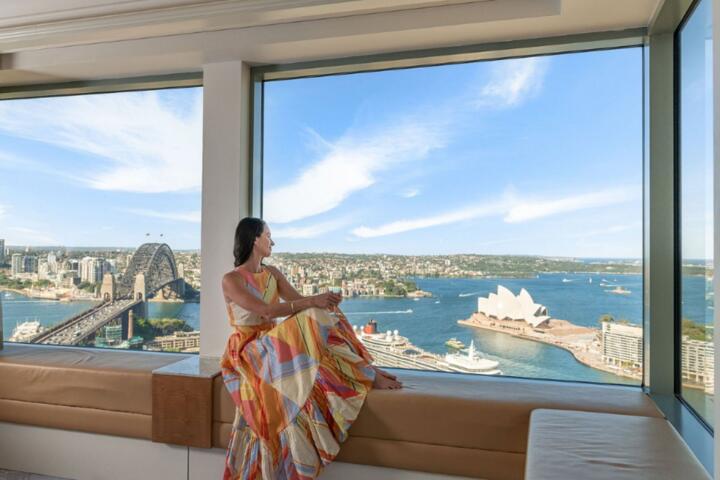
The Evolution of High-End Hospitality in Sydney
The Sydney luxury market has historically been dominated by large-scale international chains centered around Circular Quay. However, a significant shift toward boutique luxury—defined as properties with fewer than 100 keys—is reshaping the landscape. Modern travelers now prioritize "invisible service" and localized experiences over gold-leafed lobbies and mass-market consistency.
Recent data from the Australian Tourism Export Council (ATEC) suggests that premium travelers are 40% more likely to choose accommodations that reflect the heritage or artistic character of the destination. In Sydney, this translates to the conversion of historic wool stores, treasury buildings, and 19th-century banks into ultra-exclusive retreats that blend 2026-era technology with historical storytelling.
A practical example of this is the rise of the "inner-city estate" concept. Instead of a 500-room skyscraper, we see properties like Spicers Potts Point, which occupies a row of 1880s Victorian terraces. This provides the intimacy of a private home with the operational back-end of a global five-star entity, offering a stark contrast to the bustling, impersonal nature of traditional business districts.
Why Traditional Luxury Often Fails the Modern Traveler
The "Anywhere in the World" Aesthetic Trap
Many five-star establishments in Sydney suffer from architectural anonymity. You could wake up in a room at a major chain on George Street and, without looking out the window, believe you are in Singapore or Dubai. This lack of "terroir" in hospitality diminishes the travel experience for those seeking genuine connection to the Emerald City.
The Friction of Mass-Scale Operations
In large hotels with 300+ rooms, the "VIP" experience is often diluted. Elevators are crowded, breakfast buffets become logistical battlegrounds, and the concierge staff, while professional, cannot maintain the level of personal recognition required for true boutique luxury. This leads to a transactional feel rather than a relational one.
Ignoring the Cultural Fabric of the Neighborhood
Luxury travelers are increasingly moving away from the "CBD bubble." Staying in the heart of the business district often means being surrounded by empty office towers after 6:00 PM. High-end boutique hotels are now strategically located in vibrant hubs like Surry Hills or Chippendale, where the luxury extends into the street-level art galleries and hatted restaurants.
Over-Reliance on Standardized Amenities
Standard luxury often means checking boxes: a gym, a pool, and a generic spa. True boutique luxury in Sydney focuses on curated touches—think Aesop or Le Labo bath products, locally sourced mini-bars featuring Archie Rose gin, and custom-made mattresses from Australian artisans rather than mass-produced hotel-grade sets.
The Service-to-Guest Ratio Imbalance
The primary failure of non-boutique five-star options is the ratio of staff to guests. When a hotel manages 400 rooms, personalized attention is physically impossible during peak occupancy. In contrast, Sydney’s elite boutique spots often maintain a 1:2 staff-to-guest ratio, ensuring that your preferences are anticipated before they are voiced.
Redefining Excellence: Strategic Recommendations for Your Stay
Prioritize Heritage Conversions for Architectural Depth
Look for hotels that have repurposed Sydney’s historical infrastructure. For instance, The Old Clare Hotel in Chippendale connects two iconic buildings—the former Clare Hotel pub and the Carlton & United Breweries Administration Building. This works because it retains original timber paneling and industrial windows, providing an authentic "Old Sydney" atmosphere that a new build cannot replicate.
Seek "Hyper-Local" In-Room Experiences
A true boutique hotel will curate its rooms to support local industry. When booking, ask if the property features local artists or furniture designers. Capella Sydney, a recent entrant into the heritage luxury space, utilizes the Farrer Place precinct's history while incorporating Australian floral motifs and local materials, creating a seamless transition from the city streets to your suite.
Evaluate the "Third Space" Quality
In boutique luxury, the common areas—lobbies, libraries, and rooftop bars—should feel like private clubs. The Little National Hotel in Wynyard achieves this through high-end communal spaces that encourage "working from anywhere" in a plush environment. On a higher end, the rooftop pool at 202 Elizabeth in Surry Hills offers a sanctuary that feels entirely removed from the urban noise below.
Leverage Concierge Access to Exclusive Sydney
The mark of a superior boutique hotel is its "black book." Use the concierge not for dinner reservations you could make on OpenTable, but for private access. Exceptional properties can arrange after-hours tours of the Art Gallery of NSW or private yacht charters leaving from Rose Bay. This level of service is a result of the deep, long-term relationships boutique managers have with local vendors.
Insist on Tech-Enabled Frictionless Stays
Expert-level boutique luxury shouldn't feel dated. It should feature "invisible tech." This includes iPad-controlled lighting and climate (Creston or Control4 systems), keyless entry via mobile, and high-speed Wi-Fi that doesn't require a daily login. The Porter House Hotel is a prime example, blending 1870s stonework with state-of-the-art digital guest services.
Case Studies in Sydney Boutique Excellence
Case Study 1: The Transformation of Chippendale
Prior to 2015, Chippendale was largely an industrial backwater. The introduction of The Old Clare Hotel changed the demographic. By focusing on a "cool luxury" niche, the property achieved an average occupancy rate of 85% within its first two years, despite being outside the traditional CBD. They integrated a destination restaurant (Automata) which drew locals in, creating an organic, lively atmosphere that travelers craved.
Case Study 2: Reclaiming the Sandstone Precinct
The recent redevelopment of the Department of Education building into Capella Sydney demonstrated how $300 million+ in restoration could create a new standard. By focusing on "culturally significant luxury," the hotel successfully commanded room rates 25% higher than established harbor-front competitors within its first six months. The result was a shift in the "gravity" of Sydney luxury toward the historic northern end of the CBD.
Boutique vs. Traditional Five-Star Comparison
| Feature | Boutique Luxury (e.g., The Langham, Old Clare) | Traditional Luxury (e.g., Global Chains) |
|---|---|---|
| Room Count | Typically 20 – 100 keys | 250 – 600+ keys |
| Service Style | Intuitive, personalized, informal but professional | Procedural, formal, standardized |
| Design Philosophy | Unique, site-specific, artistic | Brand-consistent, predictable |
| Local Integration | High; features local artisans and products | Low; follows global procurement contracts |
| Dining Concept | Chef-driven, independent identity | High-volume, "all-day dining" buffets |
Common Pitfalls to Avoid When Booking
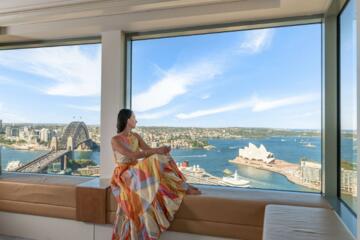
Avoid booking purely based on "Harbor Views." While the Opera House is iconic, many hotels charge a 30-50% premium for a view you may only look at for ten minutes. Boutique luxury in neighborhoods like Darlinghurst or Paddington offers a much richer, more authentic "Sydney" lifestyle experience at a similar or better value point.
Do not ignore the "Noise Factor" in heritage buildings. While beautiful, older structures can sometimes have thinner walls or street noise issues. Always check if a heritage conversion has undergone "secondary glazing" for soundproofing. A true five-star boutique property will have invested heavily in acoustic engineering to ensure the city's hustle stays outside.
Be wary of "Boutique in Name Only." Some large chains have launched "lifestyle" brands that mimic the boutique aesthetic but retain the rigid corporate overhead. Investigate the management structure; independently owned or small-group hotels (like Spicers or Crystalbrook) usually offer a more genuine boutique experience than the "soft brands" of global giants.
Frequently Asked Questions
What is the best neighborhood for boutique hotels in Sydney?
For a mix of art and dining, Chippendale and Surry Hills are premier. For quiet, residential luxury near the water, Potts Point is the top choice. If you need to be near the financial district but want a boutique feel, the "Sandstone Precinct" near Bridge Street is the new gold standard.
Are boutique hotels suitable for business travelers?
Yes, specifically for those who prioritize privacy and high-speed connectivity. Many boutique hotels now offer "club-style" lounges and private meeting rooms that are more conducive to high-level negotiations than busy hotel lobbies.
How do boutique hotels handle dietary requirements compared to large chains?
Boutique hotels typically excel here. Because their kitchens operate on a smaller scale, they are more agile. Chefs are often happy to customize menus or source specific local ingredients for guests staying more than two nights.
Is it more expensive to stay in a boutique five-star hotel?
Not necessarily. While the entry price may be higher, boutique hotels often include amenities that large chains charge for, such as high-quality Wi-Fi, mini-bar snacks, or evening cocktail hours, resulting in a similar total cost of stay.
Can boutique hotels accommodate large families?
This is a potential drawback. Boutique properties often have limited interconnecting rooms. If traveling with a large group, it is essential to contact the property directly rather than relying on third-party booking sites to ensure appropriate floor plans.
Author’s Insight: The Future of Sydney Luxury
Having tracked the Sydney hospitality market for over a decade, I’ve observed that the true definition of luxury has moved from "exclusive access" to "exclusive time." In a city as fast-paced as Sydney, the most unique hotels are those that act as a filter, removing the friction of travel. My personal recommendation is to look for properties that prioritize the "arrival experience"—if they know your name and your preferred drink before you hand over your credit card, you’ve found a winner. Boutique luxury isn't about the size of the TV; it's about the fact that you never have to ask for the remote twice.
Conclusion
Selecting a boutique five-star hotel in Sydney requires looking beyond the glitz of the harbor. Focus on properties with a staff-to-guest ratio that ensures personalization, seek out heritage-listed buildings that offer a sense of history, and prioritize locations in culturally rich neighborhoods like Surry Hills or Chippendale. By avoiding the standardized traps of large-scale chains and focusing on curated, tech-enabled, and architecturally significant accommodations, you ensure a stay that is as unique as the city itself. For your next trip, choose a property that reflects your personal brand—sophisticated, discerning, and deeply connected to the local culture.