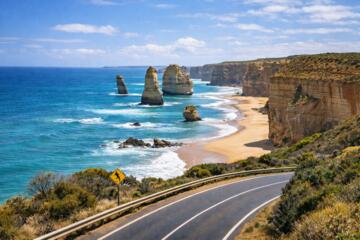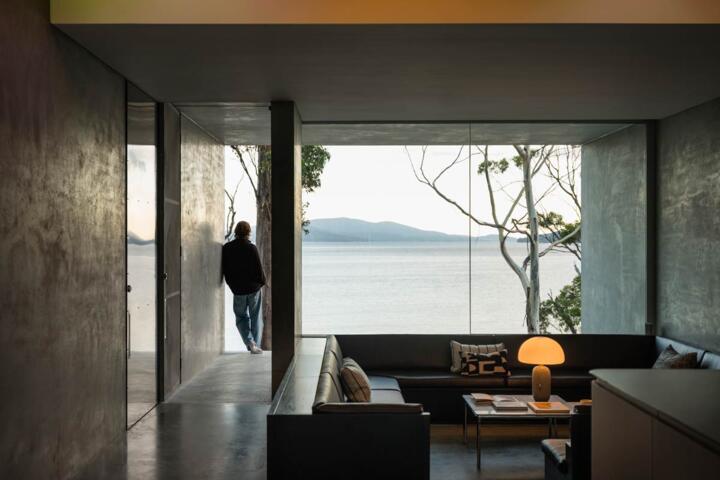
The Tasmanian Landscape
The concept of luxury in Tasmania differs significantly from the gilded opulence of Europe or the high-rise glitz of Asia. Here, "luxury" is defined by silence, space, and unprecedented access to endemic species. It is a hyper-local experience where the wine in your glass was likely harvested three miles away, and the wood in your lodge's hearth is salvaged Huon Pine. Understanding this helps set expectations for a journey that is as much about sensory immersion as it is about comfort.
In practice, this means staying at a property like Saffire Freycinet, where the architecture mimics the curve of the coastline, or Pumphouse Point, a repurposed hydroelectric station sitting in the middle of Australia’s deepest lake. These aren't just hotels; they are logistical hubs that provide private entry points into World Heritage-listed wilderness areas that are otherwise difficult to penetrate.
Statistically, Tasmania’s tourism sector has seen a 15% year-over-year increase in high-yield visitors, yet the state strictly limits the number of beds in national parks. For example, the Overland Track limits independent hikers to 34 per day, making private, guided lodge-to-lodge experiences like those offered by the Tasmanian Walking Company the only way to enjoy the trail with a hot shower and a glass of Pinot Noir at the end of the day.
Itinerary Planning Risks
The most common mistake high-end travelers make is treating Tasmania like a small island that can be "done" in four days. Driving times are deceptive; the roads are winding, often unsealed, and wildlife activity after dusk makes night driving hazardous. A rushed schedule results in "windscreen tourism," where you spend more time looking through glass than breathing the cleanest air on Earth (as measured by the CSIRO station at Cape Grim).
Another pain point is the "Self-Drive Trap." While Google Maps might suggest a two-hour transit, local conditions often double that. Furthermore, booking standard tours often lands you in 20-person groups, which inherently scares off the very wildlife you came to see—the Tasmanian Devil, the Quoll, and the elusive Platypus. Without private access or expert-led tracking, sightings are left to chance rather than strategy.
The consequences of poor planning are tangible: missed boutique cellar door tastings that require 48-hour notice, or arriving at Cradle Mountain only to find the shuttle queues exceed an hour. In a region where seasonal availability for top-tier lodges is often booked 10 months in advance, spontaneity is the enemy of quality.
Elevated Journey Tips
Prioritizing the 'Big Three' Regions
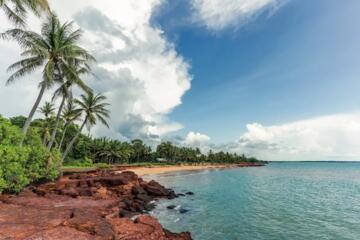
To maximize your time, focus on the East Coast (Freycinet), the Central Highlands (Cradle Mountain), and the Southern Wilderness (Hobart/Bruny Island). Each offers a distinct microclimate and ecosystem. For instance, the East Coast is characterized by pink granite peaks and white sand, while the Highlands offer sub-alpine moorlands. Attempting to visit the rugged West Coast in the same trip as the East often leads to fatigue.
Securing Private Wildlife Specialists
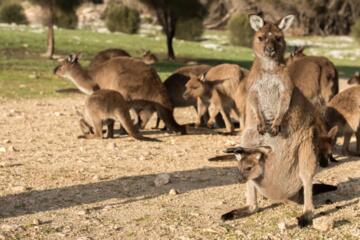
Ditch the group buses and hire a specialist like Premier Travel Tasmania or Pepper Bush Adventures. These operators have "landowner access" to private reserves where they maintain nocturnal viewing hides. This allows you to see the Tasmanian Devil in its natural habitat without the fences of a sanctuary. Expert guides use thermal imaging and intimate knowledge of "scat" and tracks to guarantee sightings that standard tourists miss.
Utilizing Boutique Aviation for Transit
If your budget allows, use fixed-wing charters or helicopters to transit between Hobart and the Southwest National Park. A flight to Melaleuca saves you a 7-day arduous hike and drops you into a landscape accessible only by air or sea. This is the only way to see the critically endangered Orange-bellied Parrot, with fewer than 50 left in the wild. Operators like Par-Aviate provide the logistical expertise to make this happen in a single afternoon.
Culinary Immersion via Private Producers
Tasmanian luxury is synonymous with its "paddock-to-plate" ethos. Instead of just dining at Peacock and Jones in Hobart, arrange a private visit to Fanny's Bay Distillery or a guided oyster shucking experience in the waters of Great Oyster Bay. When you stand in knee-deep water at a "marine farm" table eating oysters plucked seconds ago, you are experiencing a level of freshness that no city restaurant can replicate.
Lodge Selection Based on Ecosystem
Choose your accommodation to match your desired activity. If you want deep forest immersion, Kittawa Lodge on King Island offers off-grid luxury with floor-to-ceiling wilderness views. If you want history, The Tasman in Hobart integrates 1840s heritage architecture with modern luxury. Always check for "inclusive" versus "bespoke" rates; properties like Saffire include almost all experiences and beverages, which simplifies the mental load of the trip.
Timing Your Visit for Maximum Privacy
The "shoulder" seasons—March to May (Autumn) and September to November (Spring)—are the secret weapons of the expert traveler. Autumn offers stable weather, turning the Fagus (Australia’s only deciduous tree) a brilliant gold, and the crowds of the Australian summer holidays have dissipated. You get the same 5-star service with significantly more privacy and easier access to the best restaurant tables.
Experience Case Studies
Case Study 1: The Multi-Generational Family Voyage
A family of six wanted to see the "Wild Tasmania" without the hardship of camping. Their initial plan involved three rental SUVs and standard hotels. We pivoted them to a 10-day private charter with a dedicated guide and stays at Eagles Nest Retreat. Result: The family had a private chef at their villa, exclusive access to a wildlife sanctuary after hours, and zero logistical stress. The cost was 20% higher than their DIY plan, but they saved an estimated 15 hours in transit and saw 4x more wildlife species.
Case Study 2: The Photography-Focused Solo Traveler
A professional photographer struggled to find a tour that allowed for the "golden hour" light, as most group tours return to base by 5:00 PM. By booking Satellite Island (a private island in the D'Entrecasteaux Channel) and a private boat skipper, the client had 24/7 access to rugged coastal cliffs. Result: The client captured a rare Aurora Australis over the Southern Ocean, a feat impossible with the restrictive schedules of standard accommodation or tours.
Accommodation Tiers
| Property Type | Key Features | Best For | Average Nightly Rate (AUD) |
|---|---|---|---|
| Ultra-Luxe (e.g., Saffire) | All-inclusive, private excursions, world-class spa. | Honeymoons, milestone anniversaries. | $2,800 - $4,500 |
| Adaptive Re-use (e.g., Pumphouse Point) | Unique history, communal dining, minimalist design. | Design lovers, couples seeking quiet. | $600 - $1,200 |
| Private Islands (e.g., Satellite Island) | Total exclusivity, private chef optional, direct sea access. | Groups, high-profile privacy. | $2,000+ (Whole island) |
| Wilderness Lodges (e.g., Cradle Mountain Lodge) | National Park proximity, log fires, rustic luxury. | Hikers, wildlife enthusiasts. | $500 - $950 |
Common Mistakes to Avoid
Ignoring the "Sunday Shutdown": Outside of Hobart and Launceston, many boutique distilleries and cafes close on Sundays and Mondays. If you don't pre-book a lodge that provides meals, you may find yourself with limited options. Always check the operating days of smaller vineyards in the Tamar Valley.
Underestimating the Weather: Tasmania can experience "four seasons in one day." Even in mid-summer, the temperature on Mount Wellington (Kunanyi) can drop to near freezing. Packing only "resort wear" is a mistake. High-end lodges provide some gear, but a technical GORE-TEX shell is non-negotiable for private nature tours.
Over-reliance on Digital Maps: Large swaths of the Tarkine Rainforest and the Southwest Wilderness have zero cellular reception. If you are on a private driving tour, ensure you have offline maps or a physical atlas. Even better, your private guide will handle the navigation, allowing you to focus on the scenery.
FAQ
What is the best way to see a Tasmanian Devil in the wild?
The most reliable method is a private nocturnal tour in the Loongana Valley or near Cradle Mountain. Guides use red-filtered spotlights to observe them scavenging without disturbing their natural behavior. Avoid "petting zoos" if you want an authentic E-E-A-T experience.
Can I visit the MONA museum in a day from a wilderness lodge?
While possible via helicopter from the East Coast, it is best to spend two nights in Hobart. Take the "Posh Pit" on the MONA ferry for a private lounge experience with canapés and drinks, which sets the tone for the avant-garde art within.
Is the water safe to drink in the wilderness?
Tasmania has some of the world's purest rainwater. Many luxury lodges, like Thousand Lakes Lodge, harvest their own water. While usually safe, your guide will provide filtered water during nature tours to ensure safety from local parasites like Giardia.
How far in advance should I book luxury accommodation?
For the peak season (December to February), you should book at least 8 to 12 months in advance. For the "Great Short Walk" lodge-based tours, bookings often open a year out and fill within weeks.
Are these high-end lodges child-friendly?
Some, like Saffire, welcome children and offer tailored activities. Others, like Pumphouse Point, have a strict "adults only" policy to maintain the atmosphere of silence. Always verify the age policy before booking a remote retreat.
Author’s Insight
Having explored the Tasmanian backcountry for over a decade, I’ve found that the true "luxury" isn't the thread count of the sheets—it’s the ability to stand at Cape Pillar and realize the next landfall south is Antarctica. My advice: spend the extra money on a private guide for at least two days of your trip. The stories they tell about the geology and the "extinct" Thylacine add a layer of intellectual luxury that a standard hotel stay simply cannot provide. Don't just look at the landscape; seek to understand the ancient narrative behind it.
Summary
Tasmania offers a rare opportunity to disconnect from the digital world and reconnect with a primal, prehistoric version of nature, all while enjoying world-class amenities. By avoiding the rush, investing in private expertise, and choosing lodges that prioritize environmental integration, you transform a simple holiday into a life-changing expedition. Focus on the quality of your encounters rather than the quantity of miles covered. Book your primary lodges early, pack for volatile weather, and leave room in your itinerary for the unexpected magic that only the "Edge of the World" can provide.