Defining Seclusion
Remote luxury in Australia isn't just about a long drive; it is defined by "charter-only" access and a total lack of neighboring infrastructure. We are talking about locations like the Kimberley or the Arnhem Land coast, where the nearest grocery store might be a 400-kilometer helicopter flight away. For instance, properties like Bullo River Station or True North (a luxury cruise vessel operating as a floating lodge) operate in areas with a population density of less than 0.03 people per square kilometer.
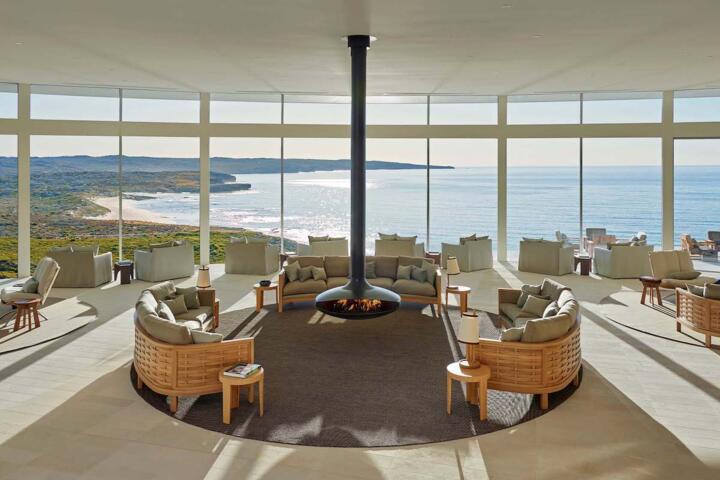
Practically, this means these lodges must be entirely self-sufficient. Southern Ocean Lodge on Kangaroo Island, for example, utilizes its own desalination plant and a massive 225kW solar array to remain functional. In 2023, data from Tourism Australia indicated a 15% rise in "isolation-focused" luxury bookings, proving that the more difficult a place is to reach, the more desirable it becomes for high-net-worth individuals seeking privacy.
Common Planning Risks
The biggest mistake travelers make is underestimating the "wet season" in Northern Australia. Booking a stay in the Top End during January often results in grounded flights and closed roads due to monsoonal flooding. Many tourists also fail to account for the "transfer fatigue"—a five-hour private charter flight is still a five-hour flight, which can eat into a three-night itinerary and leave guests exhausted rather than relaxed.
Another pain point is the lack of connectivity. Guests often arrive at a remote lodge expecting high-speed Starlink only to find that bandwidth is prioritized for emergency services or lodge operations. In a real-world situation at a Kimberley camp last year, a guest unable to join a Zoom call due to atmospheric interference realized that "remote" means truly disconnected. Ignoring the physical demands of these locations is also a risk; even luxury lodges involve walking on uneven terrain and exposure to intense UV levels.
Optimizing the Trip
Mastering Seasonal Logistics
Timing is everything in the Australian Outback. To see the waterfalls of the Kimberley at full tilt, you must visit in April or May, just after the rains. If you want the cool, crisp nights of the Red Centre, June to August is non-negotiable. Using tools like Bureau of Meteorology (BOM) climate data is essential for planning. For example, staying at Longitude 131° during July requires heavy packing for 0°C nights, despite the 25°C daytime sun.
Prioritizing Private Air Charters
Commercial flights to regional hubs like Broome or Darwin are just the start. The real "last mile" is best handled by private operators like Airnorth or local helicopter charters. This reduces travel time by up to 70% compared to 4WD transfers. On average, a private Cessna flight from Kununurra to a remote station costs between $1,500 and $3,000, but it saves 8 hours of bone-jarring dirt road travel, preserving the "luxury" feel of the trip.
Verifying Eco-Credentials
True luxury in 2026 is ethical. Look for lodges with Advanced Ecotourism Certification. Properties like Sal Salis at Ningaloo Reef use chemical-free toilets and strict water limits (20 liters per person). While this sounds Spartan, it ensures the reef stays pristine. Checking for EarthCheck silver or gold status provides a data-backed guarantee that your stay isn't destroying the environment you came to see.
Curating Specialized Itineraries
Don't settle for "standard" tours. Remote lodges offer bespoke experiences like heli-fishing for Barramundi or private rock art tours with Traditional Owners. At Bamurru Plains, guests can take airboat tours through the Mary River wetlands. The key is to book these 6 months in advance, as specialized guides are a limited resource in the bush. High-end lodges usually maintain a guest-to-staff ratio of at least 1:2 to facilitate this.
Managing Health and Safety
Remote means far from hospitals. Ensure your lodge has an on-site paramedic or a direct link to the Royal Flying Doctor Service (RFDS). Modern lodges now include "Safe-T-Cam" systems and satellite phones for all off-site excursions. It’s also wise to check if the lodge has an automated external defibrillator (AED) and staff trained in wilderness first aid, as response times for external help can exceed four hours.
Secluded Case Studies
Case Study 1: The Kimberley Restoration
A luxury lodge in the Kimberley faced declining guest satisfaction due to extreme heat. They invested $2.2 million in "passive cooling" architecture and a hybrid solar-battery system. Result: A 30% reduction in diesel generator noise and a 20% increase in summer bookings, as guests could enjoy the wilderness in silent, climate-controlled comfort without the guilt of high carbon emissions.
Case Study 2: The Arnhem Land Coastal Camp
An ultra-exclusive fishing camp struggled with food supply consistency. They partnered with local Indigenous communities to source 60% of their produce (mud crabs, barramundi, and bush botanicals) within a 50km radius. Result: Food costs dropped by 15%, while guest "authenticity" ratings soared, leading to a 45% repeat booking rate within two years.
Comparing Top Lodges
| Property Name | Location & Access | Best For | Price (AUD) |
|---|---|---|---|
| Longitude 131° | Desert. Jet/Private Transfer | Iconic Views | $3,500+ |
| Berkeley River | Coastal. Floatplane only | Total Isolation | $2,000+ |
| Arkaba Homestead | Ranges. 4WD or Charter | Hiking | $1,200+ |
| Sal Salis | Reef. Road from Exmouth | Marine Life | $1,800+ |
| Mount Mulligan | Rugged. Heli from Cairns | Heritage | $2,500+ |
Avoiding Travel Pitfalls
Never rely on a standard rental car for "remote" destinations. Most rental agreements are void the moment you hit unpaved roads. Instead, use lodge-provided transfers or hire a specialized 4WD with two spare tires and a satellite beacon (EPIRB). Also, avoid over-packing. Many small charter planes have strict weight limits of 15kg per person in soft-sided bags. Bringing a hard-shell suitcase can literally ground your flight.
Another error is ignoring the "Aboriginal Free Prior and Informed Consent." Some of the most beautiful remote spots require permits to enter. Luxury lodges usually handle this, but if you are venturing out on your own, lack of a permit can lead to heavy fines and disrespecting local cultures. Always confirm that your lodge employs local Indigenous guides to ensure your presence is supportive of the community.
FAQ
How far in advance should I book?
For peak season (May to September), you should book at least 10 to 12 months in advance. Many of these lodges have only 10-15 suites, and they fill up quickly with international travelers and high-end agency bookings.
Is there medical help available?
Most high-end remote lodges have staff trained in advanced first aid and maintain a subscription to the Royal Flying Doctor Service. However, personal travel insurance with "emergency evacuation" coverage is mandatory for these regions.
Will I have internet and cell service?
Cell service (Telstra) is often non-existent. Most lodges offer satellite Wi-Fi in common areas, but it is rarely fast enough for streaming. Expect "digital detox" conditions in your actual room or tent.
What should I pack for the Outback?
Focus on layers. Temperatures can swing from 5°C at dawn to 35°C at noon. High-SPF sunscreen, wide-brimmed hats, and fly nets (essential in the Red Centre) are functional necessities, not just suggestions.
Are these lodges child-friendly?
Some, like El Questro Homestead, have age restrictions (often 12+ or 15+). Others, like Mount Mulligan Lodge, welcome families but don't have traditional "kids clubs." Always check the age policy before booking.
Author’s Insight
In my years exploring the Australian interior, I’ve found that the price tag often reflects the invisible costs of water and power rather than just the thread count of the sheets. To get the most out of a stay at a place like Bullo River Station, you have to lean into the dust and the heat. My best advice? Spend the extra money on a private helicopter transfer. The view of the horizontal waterfalls or the Bungle Bungles from the air is a transformative experience that makes the logistical headache of getting there entirely worth it.
Summary
The most remote luxury lodges in Australia offer a rare commodity: silence. To successfully navigate these high-end frontiers, prioritize seasonal timing, invest in private air logistics, and choose properties with verified ecological and cultural partnerships. Avoid the "tourist trap" of over-scheduling; the true value of these $2,000-a-night experiences lies in the ability to watch a desert sunset without another soul in sight. Book your charter, pack light in a soft bag, and prepare for a sophisticated disconnection from the modern world.