Modern Caravanserais
Luxury glamping in the Gobi is not merely about putting a plush mattress inside a tent; it is a sophisticated engineering feat that mirrors the hospitality of the ancient Silk Road. Today, "glamping" in this region refers to eco-sensitive structures that provide climate control, en-suite pressurized showers, and gourmet dining in locations that are hours away from the nearest paved road. This niche market has seen a 15% year-over-year growth as travelers pivot from traditional luxury hotels toward experiential, isolated travel.
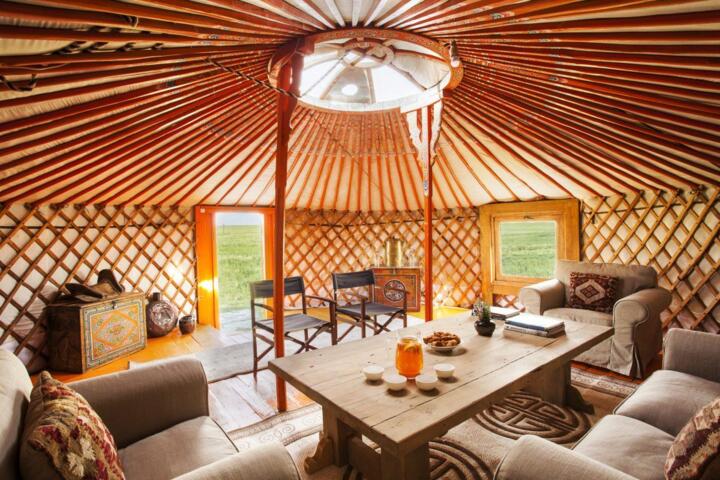
In practice, this looks like the Three Camel Lodge in Mongolia’s Gurvan Saikhan National Park. Here, the traditional ger (yurt) is reimagined with hand-painted wood lattices and custom-made felt covers, all while operating on a strict "no plastic" policy. Another example is the emergence of pop-up mobile camps used for bespoke expeditions, where a logistics team pre-installs a full-service camp in the middle of the "Singing Sands" (Khongoryn Els) specifically for a single private group, then removes it without leaving a trace.
Statistically, the Gobi covers roughly 1.3 million square kilometers, making it the fifth-largest desert in the world. Despite its reputation for heat, temperatures can swing by 35°C (63°F) within a single 24-hour period. High-end providers now utilize specialized insulation layers in tents that maintain a steady 20°C internal temperature regardless of the external subterranean chill or midday solar radiation.
Low-Budget Pitfalls
The primary error travelers make is underestimating the "Gobi Tax"—the high cost of reliable logistics. Selecting a mid-range provider often leads to structural failures, such as tents that cannot withstand the Gobi’s notorious spring winds, which can reach speeds of 140 km/h. Inexpensive camps frequently lack deep-cycle battery systems, leading to noisy, diesel-spewing generators that ruin the very silence guests travel thousands of miles to find.
Hygiene and water management are the most critical points of failure. In a desert where water is the most precious commodity, budget operators often rely on shallow wells or unregulated transport, leading to safety risks. Furthermore, "pseudo-luxury" camps often prioritize aesthetics over functionality, resulting in beautiful tents that become unbearable glass-houses under the intense Mongolian sun due to a lack of UV-reflective topping or proper cross-ventilation.
Consider the "stuck in the dunes" scenario: inexperienced operators often use aging fleets without satellite communication. In 2023, several independent tour groups reported being stranded for over 12 hours without shade or water due to mechanical failures. In luxury glamping, the "luxury" is actually the redundancy of safety systems—dual-engine vehicles, satellite phones, and on-call medical evacuation services like SOS International.
Engineering the Stay
Prioritizing Thermal Mass and Insulation
Authentic Mongolian gers are superior to modern canvas tents because of their felt insulation. Felt acts as a thermal regulator, keeping the interior cool in summer and warm in winter. When booking, ensure your provider uses at least two layers of sheep’s wool felt. This traditional method, combined with a central wood-burning or pellet stove, ensures a comfortable sleep even if the outside temperature drops to freezing.
Advanced Water and Power Logistics
Top-tier camps like HS Khaan Resort utilize self-contained ecological sewage systems and solar arrays. For a truly high-end experience, look for camps that employ Reverse Osmosis (RO) filtration systems. This allows the camp to provide high-quality drinking water and pressurized hot showers without relying on thousands of single-use plastic bottles, which are an ecological disaster in the desert landscape.
Culinary Excellence in Isolation
The challenge of desert glamping is fresh produce. Elite operators employ farm-to-table logistics, flying in organic greens from Ulaanbaatar or utilizing local greenhouses. A hallmark of a premium camp is a professional chef capable of blending local staples—like mutton and dairy—with international fine dining. Expect sourdough bread baked in cast-iron ovens and wine cellars kept at a constant 16°C using subterranean cooling pits.
Strategic Positioning
The best camps are positioned near the Flaming Cliffs (Bayanzag) or the Yol Valley ice fields. Positioning is everything; a luxury camp should offer "private" access to these landmarks. This means being located far enough from the main tourist hubs to avoid the crowds but close enough for a 20-minute 4x4 drive at sunset. Expert operators use terrain to provide natural windbreaks, shielding the camp from the prevailing northwesterly gusts.
Cultural Immersion
True luxury is access. Premium glamping should include partnerships with local nomadic families. This isn't a "staged" performance but a legitimate interaction where guests can participate in milking mares or felt making. These programs should be structured so that a significant portion of the booking fee goes directly to the nomadic community, supporting the preservation of their traditional lifestyle against the pressures of urbanization.
Specialized Transport
The vehicle is an extension of the glamping experience. High-end tours utilize modified Toyota Land Cruiser 300 series or Lexus LX570s, equipped with heavy-duty suspension and internal dust filtration. The journey between camps is often 4-6 hours over washboard tracks; without high-grade shock absorbers and ergonomic seating, the physical toll of the journey can detract from the luxury of the destination.
Expedition Successes
Case Study 1: The Corporate Leadership Retreat
A Silicon Valley tech firm required a 10-day off-grid retreat for 15 executives. The solution involved a Starlink-equipped mobile camp and custom-built gers. By utilizing a private charter flight, the group saved 10 hours of driving. The result was a successful strategy pivot, proving that extreme isolation fosters high-level creativity.
Case Study 2: The Multi-Generational Family Voyage
A European family explored Silk Road history with seniors. We recommended mobile luxury setups, including portable oxygen and a private chef. The trip covered 800km of desert terrain seamlessly, maintaining 5-star service level throughout.
Logistics Review
| Feature | Standard Camp | Premium & Mobile | Price Point |
|---|---|---|---|
| Sanitation | Shared, cold water | Private en-suite, hot water | $50-$100/night |
| Power | Limited (Evening) | 24/7 Solar / Portable Stations | $400-$1,200/nt |
| Bedding | Basic foam | Memory foam, high-thread linens | $1,500+ (Exped) |
| Connectivity | None or 3G | Starlink Wi-Fi / Sat Phone | N/A |
Common Mistakes
One of the most frequent errors is packing for a tropical desert. The Gobi is a cold desert. Even in July, night temperatures can drop significantly. Travelers often bring light linen but forget a high-quality down jacket. Another mistake is ignoring the dust factor. Fine particulate sand can destroy high-end camera gear and electronics; always use dry bags and lens cleaning kits specifically designed for arid environments.
Furthermore, do not book "last minute." The best luxury gers and nomadic guides are often reserved 8 to 12 months in advance, especially for the Naadam Festival period in July. Lastly, avoid itineraries that attempt to cover too much ground. The Gobi is vast; it is better to spend three nights in one exceptional location than to spend 8 hours a day inside a vehicle trying to "see everything."
FAQ
What is the best time of year for a luxury Gobi expedition?
The optimal window is between late May and late September. September is particularly prized for its stable weather, lack of insects, and the beautiful golden hues of the desert scrub. June brings the risk of dust storms, while July and August are the warmest months.
Can dietary restrictions be accommodated in such remote areas?
Yes, but only by luxury providers. High-end camps employ chefs trained in international cuisine who can manage gluten-free, vegan, or nut-free requirements, provided they are notified at least 30 days in advance to secure the necessary supply chain.
Is there cell phone reception in the Gobi Desert?
Reception is generally limited to small town centers (soums). Most luxury camps provide satellite-based Wi-Fi, but it is best to prepare for a digital detox. For safety, always ensure your guide carries a Garmin InReach or Iridium satellite phone.
How do I handle the physical demands of the desert?
Luxury glamping mitigates the physical toll, but hydration remains key. The air is incredibly dry (often below 10% humidity). Drink at least 3-4 liters of water daily and use high-SPF sunscreen. Most luxury tours include "rest days" to acclimatize to the pace of desert life.
What should I look for in a sustainable camp?
Check for LEED certification or partnerships with organizations like the Snow Leopard Trust. A truly sustainable camp should have a transparent waste management policy and evidence of employing at least 70% of their staff from the local province.
Author’s Insight
In my decade of exploring Central Asian corridors, I’ve learned that the Gobi doesn't care about your luxury—but your outfitter must. I once stayed in a "budget" ger during a sudden October blizzard, and the lack of proper floor insulation was a brutal lesson. In contrast, a well-engineered luxury camp transforms the desert from a hostile environment into a place of deep meditation. My best advice: invest in the quality of your vehicle and the experience of your driver; a great driver is your mechanic, translator, and navigator all in one.
Summary
Exploring the Silk Road via luxury glamping is a masterclass in balanced travel. By choosing operators who prioritize thermal engineering, sustainable logistics, and deep cultural ties, you ensure that your journey through the Gobi Desert is as comfortable as it is transformative. Focus on slow travel, prioritize camps with robust infrastructure, and always respect the fragile ecosystem of this ancient landscape to ensure it remains pristine for future generations of explorers.