Role of Street Food
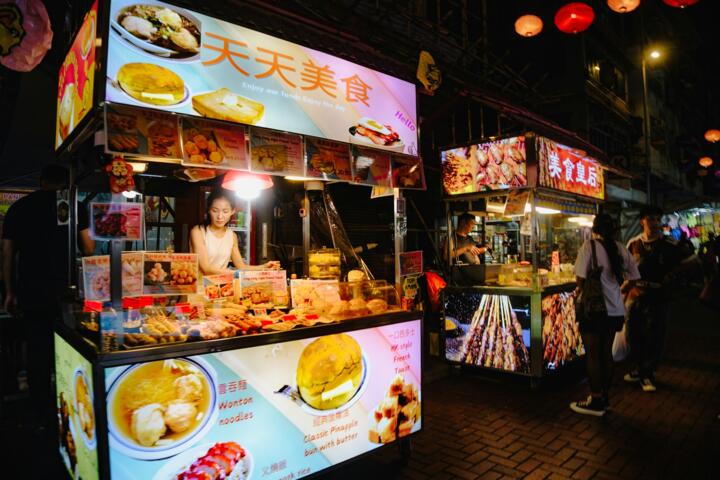
Street food in Asia acts as a cultural lens, reflecting a region's culinary history, social habits, and economic realities. For example, in Bangkok, over 20,000 street stalls operate daily, serving millions with everything from spicy pad thai to mango sticky rice. Such vibrant food markets often emerge at street corners, train stations, or night markets, giving visitors a direct taste of the city’s flavor palette.
Food vending on streets in Asia is not just about eating; it’s a community ritual. Vendors often hand down recipes across generations and adapt dishes innovatively based on local ingredients. This hands-on food culture offers travelers insight into traditional methods and the lived experience of local people.
In places like Penang, Malaysia, UNESCO acknowledged street food culture as intangible heritage in 2020, underscoring its historic and social significance. No trip to these cities feels complete without sampling local street fare—and often, that means dining elbow-to-elbow, sharing space with locals in crowded spaces.
Traveler Challenges
Expecting consistent hygiene or clear ingredient lists from street vendors leads to disappointment. Eating street food involves risks: from unfamiliar spices causing reactions to misunderstood cooking practices. Missing this understanding can cause upset stomachs or foodborne illnesses, disrupting travel plans.
Tourists often mistake the busiest stalls for the safest or tastiest, but that’s not guaranteed. A packed stall might indicate proximity to offices or transit hubs rather than food quality. Misreading such signals results in missed opportunities or even scams where tourist prices inflate wildly.
Regional language barriers add to the complexity, limiting a visitor’s ability to ask about allergens, cooking methods, or freshness. Without basics like phrasebooks or apps (I relied on Pleco v.5.5.0 for quick Mandarin translations), travelers risk ordering meals without fully knowing what they’re eating. Sometimes, skipping street food altogether feels safer—until the curiosity wins.
Helpful Tips
Look for Locals
Seek out stalls with a steady local clientele. This usually means the food meets community standards and balances price with safety. Vendors returning repeat customers tend to keep quality high to avoid losing business.
Focus on Preparation
Grilled, fried, or cooked-to-order items generally reduce microbial hazards compared to raw or pre-prepped options. Spotting open flames or fresh sizzle in pans means food spends less time exposed, helping ensure freshness.
Use Local Apps
In cities like Seoul or Taipei, apps highlight top street vendors with user reviews and hygiene rankings. For example, MangoPlate in Korea ranks eateries beyond price, relying on user feedback to tip travelers toward safe, well-loved vendors.
Carry Hand Sanitizers
Carry a trusted sanitizer; since many stalls lack running water, cleanliness before eating depends on your own preparation. It’s a small, often overlooked step that cuts risk dramatically.
Try Regional Classics
Sampling regional specialties anchors your experience in authentic traditions. Whether it’s Cebu’s lechon or Hanoi’s banh mi, confidently enjoying these dishes connects you to local identity and history.
Go Early or Late
Vendors often prepare fresh batches early or during dinner rush; timing your visits can mean better taste and safer choices. Riding this rhythm rather than random snacking elevates the experience.
Avoid Tourist Traps
Familiarize with popular local markets rather than tourist-focused spots. In Singapore, Maxwell Food Centre caters mainly to locals and has some of the best hawker stalls, unlike nearby Clarke Quay where prices spike.
Ask Locals
Conversations with local residents or hosts can yield insider tips beyond guidebooks and online rankings. During a 2019 trip, a taxi driver led me to a hidden noodle vendor with recipes passed down for over 30 years—better than any publicized spot.
Document Your Finds
Use notes or photos to keep track of your favorite stalls. Over two weeks in Vietnam, I jotted down dishes and vendors for revisit since variety can be overwhelming.
Stories From the Streets
Consider the transformation of Taipei’s Shilin Night Market. Local food stalls faced pressure from sanitation laws in the 2010s and adapted by incorporating modern food-safety practices without losing street food authenticity. As a result, visitor numbers increased by 15% annually between 2017 and 2022, showing demand for safe, authentic food.
In Mumbai, a startup called TiffinLabs partnered with street vendors to design mobile apps for digital payments and feedback, increasing vendors’ sales by 20% on average, and helping tourists navigate bustling food lanes with real-time info.
Street Food Checklist
| Aspect | Safety | Authenticity | Cost |
|---|---|---|---|
| Vendor Crowds | Medium | High | Low |
| Cooking Method | High (cooked) | High | Medium |
| Hygiene Rating | High | Medium | Varies |
| Local Popularity | High | Very High | Low |
| Accessibility | Medium | High | Low |
Common Errors
One frequent mistake involves ignoring personal dietary restrictions. Trying intensely unfamiliar dishes without checking ingredients leads to allergic reactions or digestive issues. Asking with gestures or translation tools helps avoid this.
Another error is eating from random vendors simply because they look trendy or are located in tourist-heavy spots. This often means overpriced food with diminished quality. In Bangkok, I learned to avoid a popular night market area that charged triple prices for Pad Thai—but better options existed a few blocks away, as locals confirmed.
Some travelers skip street food entirely due to fear, missing out on immersive cultural experiences and local conversations. Taking small risks with advice from local hosts or guides usually pays off.
FAQ
Is street food safe in Asia?
Street food safety varies widely. Opt for stalls cooking food fresh and frequented by locals. Carry hand sanitizer and stay alert for signs of cleanliness.
How can I find authentic street food?
Use food apps popular locally, ask residents, check vendor popularity among locals, and observe preparation practices.
What are typical hygiene issues?
Lack of handwashing, food stored improperly, and cross-contamination with raw ingredients are common concerns at poorly managed stalls.
Are street food prices affordable?
Generally, yes. Street food often costs less than restaurants, with meals ranging from $1 to $5 USD across most Asian cities.
How to avoid food allergies?
Know key ingredient names in the local language or bring a card explaining your allergies. Confirm with vendors before ordering.
Author's Insight
After spending over two years traveling extensively across Asia, I've learned that street food is the best entree to local culture and history. Some of my most lasting memories come from sharing a makeshift table with locals over tiny bowls of soup or a stick of grilled meat. Pushing past language barriers and hygiene worries requires patience, curiosity, and basic preparation, but it always pays off. Using local apps, like Eatigo or Zomato, helped me avoid tourist traps and identify hygiene-conscious vendors when I visited Thailand in late 2023.
Summary
Street food remains a cornerstone of authentic Asian travel experience—but it rewards those who approach it with knowledge and care. Prioritize stalls with local crowds, fresh cooking, and proven hygiene practices. Use technology and local advice to steer clear of pitfalls. Sample boldly but thoughtfully—those vibrant flavors often tell stories of communities, generations, and traditions far beyond the plate.