Understanding Luxury Ryokans
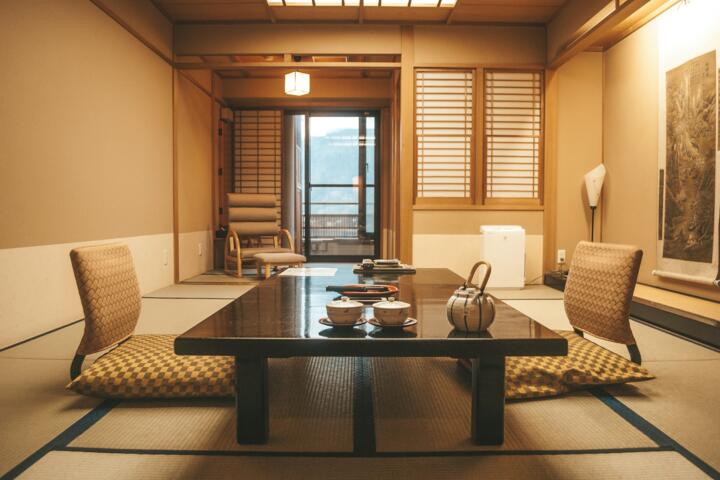
Luxury ryokans stand apart from typical accommodations by preserving Japan’s rich traditional hospitality—known as omotenashi—while elevating comfort and aesthetics. These inns feature tatami-matted rooms, sliding fusuma doors, and futon bedding but combine these with modern conveniences or exclusivity that reflect regional heritage. For example, Hoshinoya Tokyo displays polished craftsmanship in every detail while offering a 24-hour concierge. Over 1,300 luxury ryokans across Japan cater to discerning guests, often nestled in scenic hot spring towns like Hakone or Kinosaki.
Luxury ryokans showcase more than lodging; they offer cultural immersion through architecture, cuisine, and rituals such as tea ceremonies or nightly yukata changes. The blend of age-old styles with luxury guarantees a one-of-a-kind experience.
Common Misconceptions About Ryokan Stays
Many travelers incorrectly assume luxury ryokans feel dated or uncomfortable due to the traditional Japanese elements. This bias can cause missed opportunities for authentic comfort that surpasses standard hotels. Expecting Western-style rooms often leads to disappointment since tatami flooring and futons define the experience.
Hotels' faster pace contrasts with ryokans’ slower rhythms, emphasizing rest and reflection; ignoring this shift results in feeling rushed or out of place. Missing the significance of nightly kaiseki meals also distorts the value. Guests who skip key experiences, like onsen baths or seasonal menus, often leave with shallow impressions.
Failure to understand check-in etiquette—like removing shoes at the entrance or using shared toilets gracefully—can cause awkward situations, especially in rural inns with limited English staff.
What To Do To Enjoy A Luxury Ryokan
Book Early for Best Rooms
The most coveted ryokan suites often get reserved months ahead, especially in spring and autumn. Planning at least 60 days before your intended stay secures prime rooms overlooking gardens or hot springs. Booking direct with ryokans like Gôra Kadan can unlock special packages combining meals and private baths. Online platforms like Rakuten Travel provide competitive rates but check for meal options when booking.
Understand Kaiseki Cuisine
Expect multi-course meals curated from seasonal, local ingredients. Kaiseki usually involves 8–12 dishes, beginning with delicate appetizers, sashimi, simmered, grilled, and steamed elements, followed by rice and soup. Each meal visually represents nature’s current state. Selecting ryokans known for chefs winning awards, such as those in the Michelin Guide, enhances the food experience. Meals served in-room or private dining areas dramatically elevate comfort.
Experience Onsen Baths
Many luxury ryokans have natural hot spring baths, sometimes segregated by gender or private for exclusive use. Onsen etiquette includes showering thoroughly before entering and entering quietly. The water temperature usually ranges 38°–42°C. Private rotenburo (open-air baths) add intimacy and often feature scenic views of forests or mountains. Avoiding tattoos can be necessary, as some ryokans still restrict guests with visible ink.
Wear Yukata and Follow Customs
Guests receive cotton yukata robes to wear around the ryokan, signaling relaxation and respect for the place. Staff may demonstrate how to fold the obi belt properly. Using geta sandals in corridor areas rather than outdoor shoes is typical. Respecting the ryokan’s quiet atmosphere by speaking softly and observing bath schedules maximizes harmony. These customs nourish a feeling of being in a secluded retreat.
Prepare for No Wi-Fi in Rooms
Many luxury ryokans prioritize tranquility over connectivity, providing Wi-Fi mainly in communal areas. Accepting limited internet access encourages guests to disconnect and engage with their surroundings. If needed, renting a portable Wi-Fi device prior to arrival can help. This often surprises people used to constant connectivity but makes the stay more immersive.
Check Transport Options Carefully
Remote luxury ryokans sometimes require transfers via shuttle buses or taxis from nearby stations. Confirming pick-up times and locations after booking minimizes last-minute stress. Transportation in regions like the Kiso Valley or Izu Peninsula sometimes operates on tight schedules, so syncing arrivals with ryokan reception hours avoids waiting. Some ryokans partner with concierge services that streamline these arrangements.
Ask About Special Requests
Many ryokans accommodate dietary restrictions or special occasions when contacted in advance. Guests can request extra pillows, hypoallergenic bedding, or celebratory meals. Communicating expectations early—often via email—is recommended. For instance, a friend’s vegetarian kaiseki was creatively redesigned after a simple request at Yufuin Bettei Haruka, with the chef highlighting local produce in every course.
Use Ryokan Amenities Fully
From tea rooms to gardens and private lounges, ryokans offer spaces for sipping sencha or reading traditional books. Engaging with these enhances the stay beyond the guest room. Some ryokans provide cultural workshops, like calligraphy or flower arranging. Engaging enriches appreciation of the craftsmanship invested in the inn and local culture.
Embrace Early Check-Out Procedures
Unlike hotels, ryokans expect early morning departures, usually before 10 a.m. Confirm checkout times to avoid inconvenience. Staff often assist with luggage and arrange taxis or trains. This streamlined process reflects the traditional emphasis on harmony and respect between guest and host. Preparing bags the night before saves stress.
Sample Guest Experiences
A couple stayed at the Gôra Kadan in Hakone during cherry blossom season. Initially, they worried about the futon bedding after years of Western beds. After the first night, they appreciated the softness and cozy warmth combined with heated floors, leading to unexpectedly restful sleep. Their kaiseki dinner featured 10 courses with seasonal mountain vegetables and fresh tofu, which both rated higher than any sushi dinner they'd had previously. They spent 90 minutes soaking in a private rotenburo overlooking Fuji, highlighting the signature blend of nature and luxury.
Another traveler booked a stay at Takaragawa Onsen Osenkaku, attracted by its massive outdoor baths. Arriving late at night, he almost missed the shared bath closing time and learned to pace his routine better. The inn's shuttle service tied seamlessly with the nearby JR station's last train, saving taxi hassle. He booked a triple room that fit his family of five, with each child receiving their own yukata and personalized trays of snacks, which delighted them—a small but effective touch.
Booking Checklist
| Step | Action | Tips | Outcome |
|---|---|---|---|
| 1 | Choose destination | Hot spring town or city stay | Best atmosphere for season |
| 2 | Research ryokan ratings | Look for Michelin or travel awards | Quality assurance and good service |
| 3 | Book meals and baths included | Included kaiseki & onsen access ideal | Maximized experience |
| 4 | Confirm transportation options | Shuttle/Taxi times critical | Smooth arrival and departure |
| 5 | Note dietary needs early | Email a week prior | Meals adapted to you |
| 6 | Know checkout time | Usually 10 a.m. + early prep | Avoid rush or fees |
Errors and Tips
Ignoring ryokan customs remains the biggest faux pas. For example, slipping on outdoor shoes indoors can offend hosts and other guests. Rushing through meals misses not just food but the storytelling embedded in each dish. Failing to communicate food allergies or preferences leads to awkward surprises, sometimes no substitutes.
Booking very last minute makes finding a room with a private bath almost impossible, relegating one to communal spaces. Overpacking with heavy luggage is unwise: many ryokans have small rooms, thin closets, and minimal storage.
People expecting English fluency in less tourist-centric ryokans experience frustration; patience and using translation apps help. Not budgeting for tipping can cause embarrassment; ryokans do not request tips, and forced tipping goes against tradition.
FAQ
Are all ryokans located near hot springs?
No, many ryokans are in cities too, such as Kyoto, offering cultural luxury without onsen. However, numerous famous ryokans are in onsen towns.
Is English commonly spoken at luxury ryokans?
In major tourist areas, yes. But smaller or family-operated ryokans may have limited English; booking agents or concierge services can assist communication.
Can vegetarians find suitable meals?
Many ryokans adapt kaiseki for vegetarians if notified in advance, but last-minute requests may be difficult. Confirm when booking.
Do I have to remove tattoos to enter baths?
Some onsen ban visible tattoos due to cultural reasons, while others accept them or provide private baths. Always check specific ryokan policies.
Are luxury ryokans expensive compared to hotels?
Yes, prices can range from $300 to over $1,000 per night, depending on location, amenities, and exclusivity. The experience includes meals and personalized service unlike typical hotels.
Author's Insight
I've stayed in over a dozen luxury ryokans across Japan, and the defining highlight remains the slow, respectful rhythm of life they cultivate. The embrace of heritage combined with subtle luxury redefines comfort. Remember to let go of your hotel expectations and lean into the ryokan's unique pace and ritual. You'll find renewal—not just rest.
Summary
Luxury ryokans fuse traditional Japanese hospitality with lavish comfort and culture. Booking early and understanding customs unlocks the full experience. Embrace kaiseki dinners, onsen baths, and yukata wear as conduits to immerse yourself genuinely. Avoid common mistakes like ignoring etiquette or last-minute bookings. This approach transforms an overnight stay into a memorable cultural journey that refreshes body and mind.