Navigating Gobi Access
The Gobi Desert is not a singular administrative entity but a 1.3 million square kilometer expanse split between southern Mongolia and northern China. Accessing its most remote reaches—particularly the "Forbidden Zones" near the international border—requires a sophisticated understanding of two distinct permit systems. In 2026, the introduction of digital credentials has streamlined some processes while adding new in-person requirements for foreign nationals.
Operating a camp in this environment is legally complex. You aren't just dealing with geography; you are managing national security protocols and environmental conservation laws. For instance, the Mongolian Border Protection Authority enforces a strict 30km to 100km buffer zone where presence without a permit is a criminal offense. Accurate planning is the difference between a successful expedition and a legal impoundment of equipment.
Recent statistics from the Mongolian Ministry of Environment and Tourism show a 15% increase in "Special Protected Area" designations since 2024. This means traditional camping spots used five years ago may now require specific daily permits or are entirely off-limits to non-research entities. Professionalism in this sector requires real-time data on these shifting boundaries.
Legal Access Hurdles
The primary mistake made by independent travelers and amateur operators is treating the Gobi as an open wilderness. Large swathes of the Inner Mongolian Gobi (China) and the Omnogovi province (Mongolia) are restricted due to military sensitivity or paleontological significance. Ignorance of these boundaries often leads to immediate deportation or heavy administrative fines starting at 2,000 USD per violation.
In China, the transition to the Electronic Border Management Area Permit in April 2026 has created a bottleneck for foreigners. While Chinese citizens use a streamlined app, non-residents must now apply in person at county-level Public Security Bureaus (PSB). This adds at least 48 hours of logistical lead time that many itineraries fail to account for, leading to stranded teams at remote checkpoints.
Furthermore, the "leave no trace" policy is now enforced through satellite monitoring in key Mongolian parks like Gobi Gurvan Saikhan. Camps that fail to secure the correct waste management permits or ignore designated "Ger" camp zones face revocation of their operator licenses. The consequences are permanent, as both nations are tightening the "Blacklist" for non-compliant expedition companies.
Permit System Standards
China's Digital BMA Permit
As of April 15, 2026, paper Border Management Area (BMA) permits are obsolete in China. For expeditions targeting the Alxa Plateau or the Badain Jaran dunes near the Mongolian border, the Electronic BMA is mandatory. Foreigners must present their passports in person at the local PSB to generate a 16-digit encrypted QR code that is stored in a mobile wallet.
This permit is checked at every township entrance and military intersection. If your phone dies or you lack a printed backup of the QR code, access is denied. In practice, smart operators now include a "digital compliance day" in Jiuquan or Dunhuang to process these permits before entering the deep desert zones.
Mongolia Border Zone (BZ)
The General Authority for Border Protection (GABP) in Ulaanbaatar issues the BZ permit for areas like the Nemegt Basin. You must provide a precise itinerary, vehicle license plate numbers, and a list of all participants. This process takes 5 to 7 business days and cannot be done at the border; it must be secured in the capital or via a licensed agent in Dalanzadgad.
Once in the BZ, you must check in at the local "Border Post" (Khisheeg). Failure to check in—even if you have the permit—is a major violation. The GABP uses these check-ins to track your location for safety, as the border region lacks reliable cellular coverage for most of its 4,000km length.
Protected Area Daily Fees
National Parks like Gobi Gurvan Saikhan (Mongolia) require a daily per-person fee, typically 3,000 to 5,000 MNT in 2026. For commercial camps, an additional land-use fee is negotiated with the local Soum (district) government. Independent campers must keep physical receipts, as "Rangers on Horseback" conduct frequent spot checks at popular sites like the Khongor Sand Dunes.
For scientific or film crews, the requirements escalate to a "Research Permit" from the Ministry of Culture or Environment. This often requires a local partner or "minder" to accompany the team, ensuring that no fossils or artifacts are removed from sites like the Flaming Cliffs (Bayanzag), where the illegal trade of dinosaur eggs remains a high-priority enforcement area.
Waste and Water Licenses
Setting up a semi-permanent camp requires a "Water Use Permit" from the local Water Basin Authority. Drawing from nomadic wells without permission is a flashpoint for conflict. You must negotiate a specific liter-per-day limit and pay the local community for the right to use their infrastructure.
Waste management is now strictly regulated. Camps must demonstrate a "closed-loop" system, meaning all solid waste, including human waste, must be packed out to the nearest municipal landfill in towns like Gurvantes. Modern camps use portable incineration toilets or chemical-based sealable bags to meet the 2026 "Zero Impact" standards enforced by provincial inspectors.
Satellite Communications Rule
In both China and Mongolia, the use of satellite phones (Iridium, Thuraya, or Starlink) is subject to specific registration. In China, using an unregistered satellite device in the Gobi border zone is treated as a security threat. You must apply for a temporary frequency use license or rent a locally registered unit to stay within the law.
For Mongolia, Starlink "Mini" units have become the standard for 2026 expeditions. While legal, they must be declared at customs to avoid confiscation. Using these tools for camp management allows for real-time weather tracking and emergency medical coordination, which is often a prerequisite for high-altitude or deep-desert insurance coverage.
Case Study Outcomes
A European documentary team attempted to film the "Wild Camel" in the Great Gobi A Strictly Protected Area without the necessary 'A-Level' research permits. Despite having standard tourist visas, they were intercepted by a drone-patrol unit near the Altai mountains. The result was a 10,000 USD fine, confiscation of all memory cards, and a five-year ban on entering Mongolia.
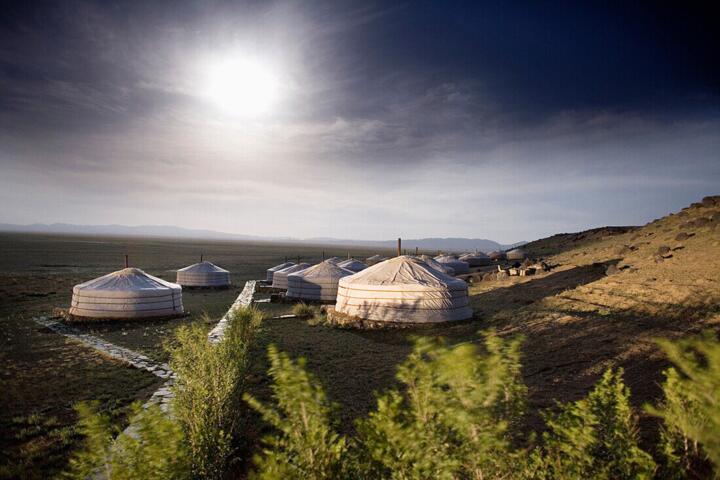
Conversely, a 2026 logistics firm specializing in "Glamping" setups worked with the Omnogovi provincial government to secure a multi-site land-use agreement. By paying a 15,000 USD annual conservation fee and hiring 60% of their staff from the local nomad community, they received "Green Channel" status. This allowed their guests to bypass several secondary checkpoints, reducing travel time by 4 hours per excursion.
Regional Permit Matrix
| Zone Type | Primary Permit | Issuer | Lead Time |
|---|---|---|---|
| Border Zone | Electronic BMA | PSB / GABP | 2-7 Days |
| Natl. Park | Daily Entrance | Park Ranger | Instant |
| Restricted | Special Entry | MET / Ministry | 30+ Days |
| Commercial | Land Use Agr. | Local Soum | Months |
Avoid Common Pitfalls
One critical oversight is the "Drone Restriction" zone. In both China and Mongolia, flying a drone in a border area without a specific flight plan and permit from the Civil Aviation Authority is a major offense. In 2026, signal-jamming technology is active at many Gobi checkpoints. If you deploy a drone without a permit, it will be downed, and the operator will be detained for questioning.
Do not assume that a "standard tour guide" has the authority to enter restricted zones. Many freelance drivers will claim they can "talk their way through," but military-manned checkpoints in the Gobi are increasingly strict and computerized. Always insist on seeing the physical or digital copies of the BZ or BMA permits before leaving the staging city (Ulaanbaatar or Hohhot).
Finally, ensure your insurance explicitly covers "Remote Desert Extraction." Most standard travel policies exclude "off-road" or "expeditionary" activities. If a medical emergency occurs at a camp in the Southern Gobi, a private medevac flight from Dalanzadgad to Ulaanbaatar can cost upwards of 25,000 USD. Without the correct permits, these flights may be delayed by the military, risking lives.
FAQ
Do I need a visa?
Yes, though Mongolia currently allows visa-free entry for citizens of many countries (check current 2026 lists). China has also expanded visa-free 30-day entry for several European and Asian nations. However, a visa only gets you into the country; it does not grant access to the Gobi's restricted border or protected zones.
Can I camp anywhere?
In Mongolia, "wild camping" is generally permitted in open steppes, but strictly prohibited in "Strictly Protected Areas" and within 500 meters of water sources or nomadic winter camps. In China, camping is restricted to designated "Self-Drive" parks or authorized commercial camp sites in most of Inner Mongolia.
How do I apply?
For Mongolia, use a licensed Ulaanbaatar agency or visit the GABP office directly if you speak the language. For China, you must be physically present at a county-level PSB with your passport and a registered local host or guide to apply for the Electronic Border Management Area Permit.
Is Starlink allowed?
In Mongolia, Starlink is widely used and legal as of 2026. In China, personal Starlink kits are strictly illegal; you must use China Satcom or authorized domestic providers. Using unauthorized satellite gear in Chinese border areas can lead to immediate arrest and confiscation of all electronics.
What about fossils?
Taking even a fragment of a fossil or an "interesting stone" from the Gobi is a violation of the Law on Protection of Cultural Heritage. Customs at airports and border crossings use high-resolution X-rays and trained dogs to detect organic materials. Penalties include heavy fines and possible prison time.
Author's Insight
In my twelve years of leading Gobi expeditions, I've seen the transition from "Wild West" anarchy to a highly digital, regulated landscape. The biggest shift in 2026 is the integration of GPS tracking with permit systems; the authorities now know exactly where your vehicles are. My best advice is to never skip the local "Tea and Greeting" with the Soum governor or the local nomads. A permit gets you past the checkpoint, but local goodwill is what keeps your camp safe during a sandstorm or a mechanical failure. Respect the bureaucracy, but invest in the community.
Summary
Accessing Gobi Desert camps in 2026 requires a multi-layered approach to legal compliance. Start by securing your national entry visa, then move to the provincial BZ or Electronic BMA permits. Always account for daily National Park fees and strictly adhere to the "Pack-It-Out" waste mandates. By coordinating with local authorities and professional logistics partners, you can navigate the desert's administrative challenges as effectively as its shifting dunes. Actionable tip: Always keep a high-resolution PDF of your permits on a dedicated, offline tablet to ensure you can pass digital checkpoints in areas with zero connectivity.