How Bargaining Shapes Trade
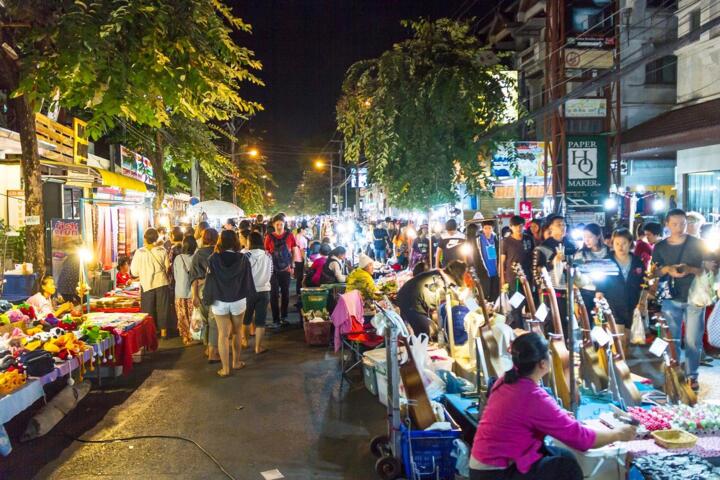
Bargaining in Asian markets is not just about price—it involves rhythm, body language, and deep cultural instincts. Walk into a market in Bangkok or Delhi, and the vendor’s initial price often doubles the seller’s expected amount, but haggling can cut that in half. Research from the University of Hong Kong showed that 77% of urban shoppers expect to bargain in physical stores, reflecting this widespread practice.
Markets such as Beijing’s Panjiayuan or Jakarta’s Pasar Baru offer vivid examples: no price tags, just eye contact and the skill of back-and-forth offers. Negotiation is often loud, fast, strategic. An initial high pitch invites the buyer’s first counteroffer.
A mistake is viewing bargaining as aggressive; it’s a dance that signals mutual respect and trust-building. In some places, buyers who avoid negotiation face the risk of paying double the fair price.
Common Mistakes and Issues
Many misunderstand bargaining as mere confrontation, missing that it also involves reading social cues, recognizing intentions, and signaling genuine interest without desperation. This leads to either overpriced purchases or offending sellers.
For example, tourists often accept a first offer thinking it's fixed; locals know prices drop by 30%-60% after some negotiation rounds. In Kashmir's markets, buyers who reveal their maximum budget early get cornered into higher prices.
Disrespect for local customs or impatience costs time and money. A hasty or overly aggressive buyer in Ho Chi Minh City can squander chances to build rapport or get bulk discounts.
Ignoring crowd dynamics is another error. Vendors may raise prices if many buyers show interest, thus inflating perceived demand artificially.
Practical Bargaining Methods
Start Low, but Realistic
Quote a price about 40%-50% below the asking price. Sellers expect this; it opens space for negotiation. Be ready to increase slowly, not in large jumps. A smartphone app, like ""Bargain Mate"" (version 3.2, released 2023), tracks typical price ranges in Asia’s top market spots, giving you a reference.
Observe and Mirror Body Language
Mirroring a seller's posture or tone creates rapport. A relaxed stance often yields better concessions than aggressive stares. In markets like Jaipur’s Johari Bazaar, subtle eye contact signals seriousness. Sellers sometimes test patience with pauses, so don’t rush.
Use Cash and Smaller Bills
Paying in cash signals readiness and seriousness. Smaller bills give buyers a psychological edge. Vendors in Manila’s markets often prefer exact change, facilitating smoother deals. Card payments remove this leverage, oddly limiting discount options.
Bundle Items for Discounts
Buying multiple items triggers bulk discounts, sometimes between 10%-25%. A vendor at Seoul’s Namdaemun Market once gave me 15% off after bundling scarves with jewelry. Always ask for a package deal—this rarely fails.
Leverage Silence and Pauses
After making an offer, stay silent for 10–15 seconds. Silence unsettles sellers, encouraging them to lower prices. This works especially well in Indonesia’s markets, where verbal silence can weigh heavily.
Know When to Walk Away
Expressing willingness to leave often triggers last-minute concessions. Vendors don’t want to lose potential sales. This tactic worked in Mumbai’s Chor Bazaar, slashing prices by nearly one-third once the seller noticed hesitation.
Ask for Extras Instead of Price Cuts
If a price stalls, request small freebies like packaging, a gift item, or free delivery. Sellers sometimes prefer this over reducing cash price, keeping their margin intact. This trick worked for me at Hanoi’s Old Quarter market and saved roughly 5% in value.
Use Local Language Phrases
Even simple greetings or thanks in the local tongue can soften seller attitudes. In Thailand, ""khob khun"" (thank you) repeatedly lowers resistance, which, frankly, most tourists overlook.
Timing: Shop Late or Early
Sellers near closing time often offer bigger cuts to clear stock. Early mornings can yield fresher items at slightly higher prices. Knowing market rhythms helps pick the moment.
Real Bargaining Stories
A Hong Kong trader needed raw silk in Mumbai. Initial offer: 3000 INR/meter. After three rounds, he secured the fabric at 1800 INR/meter, a 40% savings, enabled by careful pauses and bulk buying (100 meters total).
In Chiang Mai, a visitor tried bargaining for handcrafted pottery. The starting price was 1500 baht per piece. Politely walking away twice, and returning later, dropped the price to 900 baht, saving 40%, plus the seller threw in a small bowl for free.
Checklist for Bargaining
| Step | Action | Reason | Result |
|---|---|---|---|
| 1 | Start 50% lower | Common market norm | Wider negotiation space |
| 2 | Use cash, small bills | Shows intent | Faster agreement |
| 3 | Bundle purchases | Volume discount applies | Lower overall cost |
| 4 | Use silence tactically | Creates pressure | Price concessions |
| 5 | Walk away briefly | Triggers last offer | Better price |
Errors to Avoid
Giving your maximum budget upfront usually kills any chance to bring the price down. I once blurted out my limit in Hanoi and ended up paying 15% more. Appearing impatient—checking your watch—or rushed, signals weakness.
Avoid arguing over every cent. Sellers tune out angry buyers and stall negotiations. Keep the mood light, with steady humor or compliments.
Ignoring local etiquette like greeting or offering small talk wastes opportunities to soften sellers. That chit-chat often translates to 5%-8% discounts, which adds up in bulk buying.
Shopping in crowded stalls without comparing prices first can lead to impulse overspending. Take a lap before committing.
FAQ
Is bargaining expected in all Asian markets?
No. Some markets, especially in Japan and Singapore, have fixed pricing. However, most traditional markets in China, India, Thailand, and Southeast Asia expect negotiation.
What items are best for bargaining?
Handicrafts, textiles, souvenirs, and household goods commonly have negotiable prices. Electronics and luxury or branded goods often have fixed prices or less discount room.
Can bargaining offend sellers?
If done respectfully, bargaining rarely offends. Aggressive or insulting behavior, however, can damage relationships and end negotiations abruptly.
How do I know a fair price?
Research prices online, use price comparison apps, or ask locals. Realistically expect 30%-60% discount from the initial asking price.
Should I bargain online Asian marketplaces?
Online markets like Taobao have fixed prices but allow direct deals with some independent sellers. Messaging sellers can sometimes produce discounts—though usually less than in person.
Author's Insight
Through years of traveling Asia and buying in markets from Kolkata to Kuala Lumpur, I learned that patience beats pressure every time. Watch the seller’s reactions carefully; this gave me 35% savings on average. Using silence as a tool works surprisingly well—often better than words. Cash also remains king.
Key Takeaways
Bargaining in Asian markets blends cultural nuance with strategic timing and communication. Avoid revealing your spending limits early or rushing decisions. Use silence and walk-away tactics respectfully. Buying bundles and paying cash improve odds. Observe body language and local customs, and you save real money—often 30% or more. Markets reward those who treat negotiation as conversation, not conflict.