Shopping on Night Markets
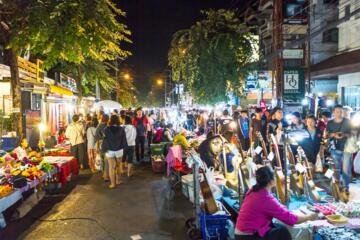
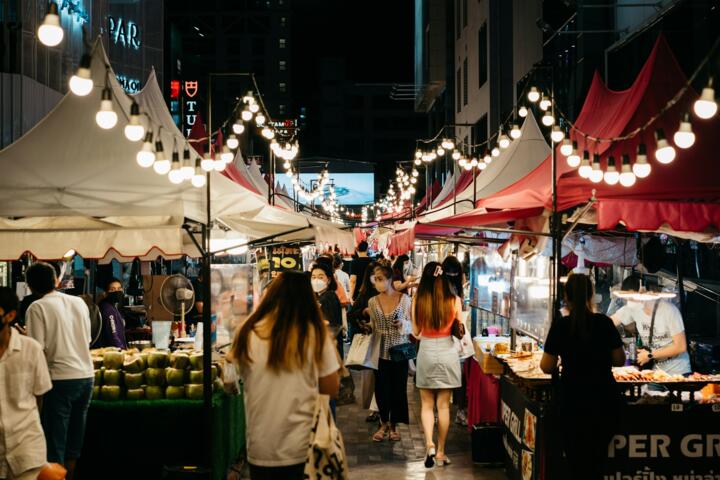
Night markets burst into life as the sun dips below the horizon, transforming city corners into bustling hubs of culture and camaraderie. Far from merely places to buy goods, they serve as open-air theaters where local life plays out in real time. Take Taipei’s Shilin Night Market, which draws over 9 million visitors annually, showing the magnetic pull these spaces have beyond retail.
Imagine a scene where food vendors grill marinated squid for crowds, artisans demonstrate traditional crafts, and kids dart between stalls selling toys or trinkets. The market weaves together flavors, sounds, and stories that no mall can replicate.
Locals and tourists alike come not just to shop but to absorb an atmosphere thick with history and ongoing innovation. The juxtaposition of old and new – neon signs beside century-old recipes – creates a distinct experience.
Common Misunderstandings
Many assume night markets exist only to sell cheap souvenirs and street snacks, a misconception that underestimates their societal role. When visitors overlook the cultural performances or social interactions, they miss a substantial part of the experience. Without engaging with local artists or food traditions, a night market becomes just another noisy bazaar.
Markets that struggle to attract repeat visitors often fail to innovate beyond products. If organizers only focus on expanding vendor counts, they risk diluting the character that draws crowds. And urban planners ignoring night markets’ community role often see these spots vanish under redevelopment pressure — a loss of cultural spaces for dense cities.
Night markets can spur nighttime safety concerns, but managed well, they enhance urban vibrancy. Proper lighting and crowd control reveal their potential as safe, lively urban anchors.
Expanding Night Market Value
Offer curated food experiences
Showcasing regional specialties invites food lovers to explore beyond common snacks. Taipei’s Ningxia Night Market sells oyster omelets with a recipe nearly 100 years old, attracting gourmets who come back repeatedly. Vendors collaborating with local chefs or culinary schools elevate quality and variety.
Host live performances
Adding stages for music, dance, or theater activates diverse senses and invites longer visits. Markets integrating local folklore performances through partnerships with cultural troupes have seen visitor time increase by 30%. Performances create focal points, encouraging attendees to explore surrounding stalls.
Create artisanal workshops
Hands-on demos and crafting sessions deepen engagement. Visitors witness pine-needle weaving or lantern painting, sometimes joining in. These workshops often sell out on event nights, boosting artisan income and visitor day-spend — typically 20% higher than average.
Develop community zones
Areas set aside for seating, socializing, and informal meetups enrich the market vibe. Comfortable resting spots with ambient lighting and charging stations increase dwell time, a factor that correlates positively with overall sales.
Encourage sustainable practices
Incorporating eco-friendly packaging and waste sorting bins marks a commitment to longevity. Markets that converted over 70% of waste to compost last year drew praise in urban environmental reports, reinforcing positive visitor perception.
Embrace technology
Digital maps, vendor apps, and mobile payments improve convenience without erasing the human element. Some markets successfully integrated QR code menus and loyalty programs, reporting a 15% bump in repeat visitors.
Promote cultural storytelling
Signage or audio tours sharing the history behind crafts or recipes add layers of meaning. Night markets in cities like Penang use digital displays to narrate the market’s origin, increasing visitor curiosity and feedback ratings.
Partner with local businesses
Connecting with nearby shops, hostels, and tour operators cross-pollinates audiences. A recent survey found that visitors encouraged by hotel staff to attend the local night market spent 25% more on food and crafts.
Expand event calendar
Special nights for holidays, themes, or guest vendors transform ordinary evenings into memorable occasions. Some markets double their attendance during these curated events — a strategy urban planners could adopt more widely.
Real-Life Market Successes
The Raohe Street Night Market in Taipei faced declining visitors around 2015. Organizers focused on elevating food quality and introducing live music every weekend. Visitor counts rose 40% over the next two years, with spending per visitor increasing by 22%. It proved that blending tradition with fresh experiences sustains appeal.
In Chiang Mai, Thailand, the Sunday Night Market began as a local setup and morphed into a major tourist attraction. Facing crowd management challenges, authorities implemented clearer signage, added public seating, and enforced traffic regulations. These moves improved safety and extended average visitor stays from 45 to 75 minutes.
Benchmarking Experience
| Feature | Visitor Impact | Business Benefit | Example |
|---|---|---|---|
| Food Variety | +30% time spent | +20% sales growth | Ningxia Market |
| Live Shows | +25% visitors stay | Higher vendor tips | Raohe Market |
| Craft Workshops | Sold out sessions | +15% artisan revenue | Chiang Mai |
| Seating Zones | Longer visits by 18% | Vendor sales uplift | Local markets |
Avoiding Common Errors
Expanding vendor count without quality checks worsens crowd congestion and stalls turnover. Avoid forcing rapid changes that alienate loyal visitors. Many markets overlook waste disposal until complaints pile up — waste bins placed too far don’t get used. Scheduling overlapping events without coordination undermines attendance across the market.
Ignoring visitor feedback repeats failures season after season. Market managers need to listen closely and act swiftly on complaints, such as too few toilets or insufficient lighting. The silent problem is often neglected, degrading overall experience.
FAQ
What types of entertainment are found?
Night markets feature street performers, musicians, cultural dances, puppet shows, and interactive art displays.
How safe are night markets?
Safety varies; well-managed markets have CCTV, lighting, security patrols, and crowd controls to reduce risks.
Can I find vegetarian food?
Most markets offer vegetarian options, including tofu dishes, vegetable skewers, and fruit desserts, especially in Southeast Asia.
Do night markets accept cards?
Payment methods depend on location; many now accept mobile payments like Apple Pay, Alipay, or credit cards on select stalls.
Are night markets family-friendly?
Many cater to families with safe play areas, mild spice level food, and games for children to enjoy.
Author's Insight
Visiting night markets over the years, I learned the best experiences happened when I slowed down and engaged beyond buying. Sampling samples, chatting with vendors, and listening to local music deepen appreciation and build memories. The lively, unfiltered vibe can’t be replicated by shopping malls. Planning a night market visit means bringing curiosity and patience— two things people often forget but always should remember.
What to Remember
Night markets stand out because they combine commerce with culture, entertainment, and community in a way conventional shopping can’t touch. Focus on experiences beyond merchandise to enjoy the market fully—try local foods, watch performances, and take part in crafts. Stay mindful of safety and cleanliness, and respect the space so it thrives for future visitors and vendors alike.