How Seasons Flip Down Under
Australia lies in the Southern Hemisphere, where seasons run counter to much of the Northern Hemisphere. While Europe and North America welcome spring in March, Australia slips into autumn. Their summer stretches from December through February — months that mark winter in many northern countries. This pattern arises because Earth tilts on its axis about 23.5 degrees, so sunlight hits the hemispheres oppositely as it orbits the sun.
For example, Christmas in Australia arrives amid summer heat, often exceeding 30°C (86°F) in Sydney and Melbourne. That’s why beach holidays replace snow-filled scenes typical of December elsewhere. Australians know summer as a time for barbecues, outdoor sports, and holiday breaks; many Europeans still wear coats. Understanding this reversal helps travelers anticipate conditions more accurately.
Common Misconceptions Hurt Plans
Many travelers assume Australia shares seasonal timing with their home country, leading to packing errors. Arriving in July anticipating a warm holiday can bring shock: that’s mid-winter there, with temperatures dropping near 7–15°C (45–59°F) in major cities. Weather varies greatly by region too. The northern tropics stay warm year-round; southern cities face distinct cold seasons.
If you don’t recognize this shift, your trip might not match expectations—rescheduling outdoor activities or sightseeing could be forced. Hotels and tours operate differently, too, since peak tourist seasons align with Australian summer and school holidays from December to January. Missing these cues may mean crowded venues or closed attractions, frustrating travelers.
It’s easy to overlook that even popular wildlife events like whale migrations or flower blooms follow Australia’s seasonal calendar, not the northern one. This confusion often hampers planning trip highlights with precise timing.
Practical Tips for Travelers
Check Local Climate First
Start with Australian Bureau of Meteorology data (bom.gov.au) for the area and months you plan to visit. Knowing average highs, lows, and rainfall shapes your packing and scheduling. Melbourne’s summer average hits 25°C (77°F); Canberra drops to 12°C (54°F) on winter nights. This specificity avoids broad assumptions.
Pack for Opposite Seasons
Don’t pack July gear for a December trip. Lightweight clothes, swimwear, and sun protection dominate Australian summers. Layered clothing suits winter months, especially in the south. Footwear choices need adjustment; flip-flops for summer, sturdy shoes for damp winter or bush walks.
Time Your Activities Appropriately
Outdoor adventures like snorkeling on the Great Barrier Reef suit warmer months (November to March) for visibility and water temperatures. Skiers target June to August for alpine regions near Victoria and New South Wales. Knowing these windows avoids disappointment and makes bookings smoother.
Understand Regional Variations
Queensland’s tropical climate has wet and dry seasons, not typical seasons of four parts. Northern Australia heats up around December with rains; southern cities like Sydney have classic temperate seasons. Planning by region is a must.
Book Early for Peak Times
Australian summer holidays cause price spikes and limited availability from mid-December to late January. Reserve flights and accommodations well ahead to avoid inflated costs. Booking in March or April can save up to 20% on accommodation, according to recent tourism data.
Adjust to Time Zone and Day Length
Sunrise and sunset times flip compared to northern counterparts. Longer daylight hours come December through February, affecting daily routines and energy levels. Adapting your schedule reduces fatigue and improves experience.
Use Apps for Weather and Activities
Apps like Weatherzone or AccuWeather Australia offer localized forecasts. Trip planners such as TripIt or Google Trips help align visits with seasonal events, hikes, and festivals. This tech aids in real-time adjustment to unexpected weather changes.
Respect Local Holidays and Customs
Australian celebrations reflect their seasons: Australia Day in January brings grilling and beach outings. ANZAC Day in April marks autumn with ceremonies. Recognizing season-linked events deepens cultural appreciation.
Stay Hydrated in Summer
High summer heat often exceeds 35°C (95°F) inland and in cities. This risks dehydration for unprepared travelers. Carry water bottles and schedule rest to avoid heat exhaustion during outdoor activities.
Examples From Real Travels
In 2019, a European tour operator misjudged the booking surge by aligning company promotions with northern summer. They launched a campaign for July but faced low interest due to Australia’s cold season. After shifting marketing to November, bookings doubled. The operator now tracks hemispherical season shifts before planning campaigns.
A family from Canada arrived in Sydney in December wearing winter jackets. They experienced uncomfortable heat and quickly bought local summer clothes, spending around 150 AUD on emergency gear. They later adjusted well, but wasted initial days adjusting their plans to the season.
Season Check: What to Do
| Season | Northern | Southern | Typical Temp (°C) |
|---|---|---|---|
| Summer | Jun-Aug | Dec-Feb | 20-35 |
| Winter | Dec-Feb | Jun-Aug | 5-15 |
| Spring | Mar-May | Sep-Nov | 15-25 |
| Autumn | Sep-Nov | Mar-May | 10-20 |
Frequent Errors to Watch
Skipping weather research before booking trips causes many headaches. Travelers neglect that Australia’s seasons differ, assuming northern summer matches Australian summer. This leads to ill-preparedness for heat or cold. Expecting everything to run year-round like in tropical climates results in closed attractions during off-peak months.
Ignoring regional climate differences also muddles expectations. For instance, Cairns in July stays warm, but Melbourne grows chilly—pack accordingly. Forgetting local holidays and school breaks can cause overcrowding or unavailability. The simplest way to avoid mishaps: a quick but deep dive into exact regional weather trends and event calendars.
FAQ
Why are Australian seasons opposite?
Because Australia is below the equator, its tilt points away from or toward the sun at different times compared to the north, flipping the seasonal cycle.
When is the best time to visit Australia?
Generally, spring (September-November) or autumn (March-May) offer mild weather, fewer tourists, and lower costs, though it depends on the region.
How should I pack for an Australian winter?
Bring layers, a warm jacket, and waterproof shoes if visiting southern cities; the north remains warmer, so lighter clothing suffices.
Are Australian holidays timed to seasons?
Yes, many events like Christmas occur in summer; outdoor activities dominate holidays, reflecting the season's warmth.
Can I expect snow in Australia?
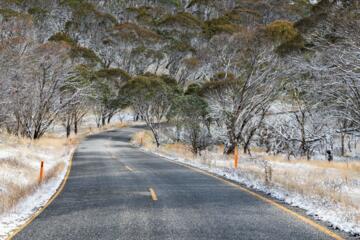
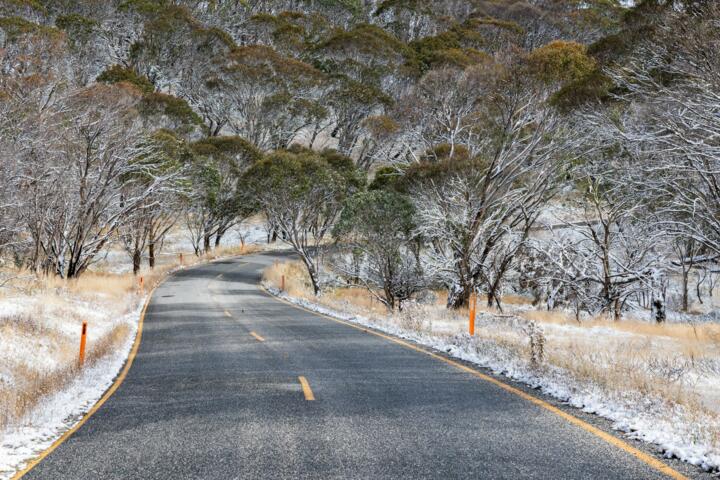
Snow falls mainly in alpine areas like the Snowy Mountains from June to August, not in major cities.
Author's Insight
After multiple trips to Australia across different seasons, I've learned that getting the southern hemisphere calendar wrong wrecks well-planned itineraries. Once, arriving in Brisbane in July dressed for summer was a bitter shock. Matching trip goals to season, region, and climate saved discomfort later. Tools like Weatherzone and local tourism websites became indispensable. Planning with this knowledge isn't hard — just requires thinking several months ahead. People rarely appreciate how much sun exposure doubles in Australian summer, so skin protection matters, too.
Summary
Australia’s seasons run opposite to many travelers’ home countries due to its Southern Hemisphere location. This reversal affects weather, daylight, activities, clothing needs, and holiday timing. Avoid packing errors and schedule surprises by researching regional climates via official meteorological sources before booking. Plan around Australian peak seasons to steer clear of crowds and high costs. Adjust routines to local day lengths and be ready to embrace the unique rhythm down under.