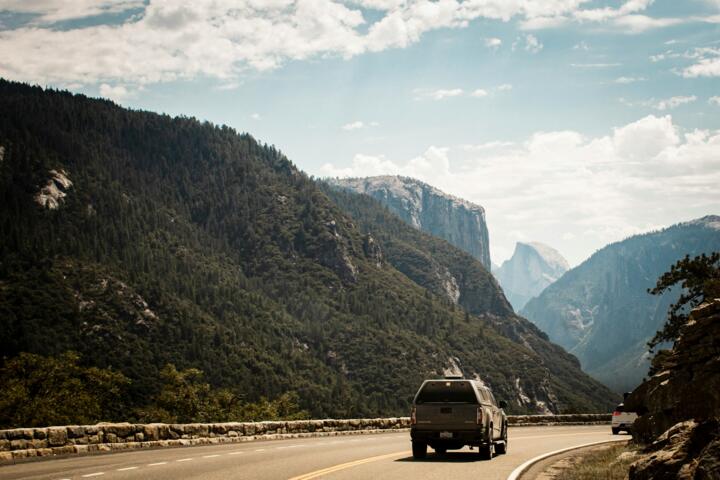
Planning Your Route
Deciding on the route shapes the entire trip. For example, driving from San Francisco to New York covers about 2,900 miles, taking roughly 42 hours of driving time. You can choose major highways for speed or smaller roads for scenery. Tracking daily mileage helps avoid unrealistic goals. Use apps like Google Maps or Waze to estimate distances and check traffic conditions live.
Consider booking accommodations along the way in advance, especially during peak travel seasons. Staying flexible within regions can open options without locking you into one place. Incorporating rest days or sightseeing detours improves the pace substantially.
Common Challenges
Ignoring vehicle checks means risking a breakdown in remote areas. Overplanning daily distances causes fatigue and missed highlights. Underestimating food and lodging costs drains your budget fast. These mistakes often turn a trip into stress rather than enjoyment. For instance, reaching a camp area after sunset can be frustrating; nights spent finding last-minute lodging often cost double the normal rate.
Traveling without a backup plan for emergencies escalates trouble. Someone I know tried to manage a 500-mile day—an exhausting schedule that nearly doubled total trip time with needed breaks.
Practical Steps
Vehicle Maintenance
Check fluids, brakes, tires, and battery weeks before departure. A thorough service averages $150 to $300 but saves hours of delay. Carry an emergency tire patch kit and jump starter. Apps like RepairPal provide reliable pricing guides for local mechanics.
Budgeting the Trip
Calculate fuel using the car’s MPG. A typical mid-size SUV averaging 25 MPG over 3,000 miles requires about 120 gallons. At $3.50/gallon, that’s $420 fuel expense. Add $50–$100 per night for lodging ranging from motels to Airbnb. Track expenses in a spreadsheet app like Excel or Mint to stay on target.
Packing Smart
Organize by trip segment. Keep daily essentials accessible in the car cabin, store extra clothes and non-essentials in the trunk. Avoid overpacking, which reduces fuel efficiency. Include a basic first-aid kit and portable charger. I still bring a small travel steamer, bought in 2019, for quick clothes touch-ups; it rarely weighs more than a water bottle.
Creating a Flexible Itinerary
Plot daily stops with buffer time to explore or rest. Include alternate routes for detours. Apps like Roadtrippers help build customizable maps. Reserve key accommodations 1-2 weeks ahead; leave other nights open for spontaneity. This approach reduces stress and maximizes enjoyment.
Safety and Communication
Download offline maps and direct emergency contacts in each state you cross. Notify a friend or family member of your route and check in daily. Use a portable power bank on extended routes to keep phones charged. AAA membership helps with roadside assistance in many states. Skip relying solely on cell signals; coverage gaps exist.
Managing Food and Breaks
Pack snacks like nuts, dried fruit, and jerky to avoid excessive fast-food stops. Use rest stops wisely for stretching and hydration. Scheduled breaks every two hours prevent driver fatigue—follow it, even if you feel fine.
Entertainment and Connectivity
Download playlists, audiobooks, and podcasts in advance. Streaming apps drain data quickly on cellular plans. Invest in a car Bluetooth adapter for hands-free calls. Having offline entertainment keeps energy up on long stretches.
Tracking Expenses
Use an app or manual logging for all spendings. Categories include fuel, lodging, meals, activities, and miscellaneous. Keeping a daily record reveals overspending and helps adjust on the fly. A tip: rounding up expenses by 10% captures hidden costs like tips or parking.
Packing for Comfort
Include a small travel pillow and lightweight blanket for naps. Sunglasses and a hat reduce glare and fatigue. Plan clothes layering for varying weather; for example, mornings might dip to 40°F, but afternoons rise above 70°F in some areas.
Real-World Examples
A marketing team traveled from Austin to Seattle with tight deadlines. Pre-trip they opted for digital check-ins and booked mid-range hotels averaging $90 per night. They avoided overbooking driving hours, limiting daily distances to 300 miles or less. Result? Arrived rested and on time, saving $400 in last-minute lodging fees.
A couple driving Miami to Chicago skipped reservations entirely, leading to hours wasted finding rooms near Chicago in a holiday weekend. They ended up paying double and losing precious sightseeing time, all from ignoring basic planning—lessons learned the hard way.
Planning Checklist
| Step | Action | Tools | Outcome |
|---|---|---|---|
| 1 | Map route & daily miles | Google Maps, Roadtrippers | Realistic schedule |
| 2 | Vehicle checkup | Local mechanic, RepairPal | Avoid breakdowns |
| 3 | Budget fuel & lodging | Excel, Mint | Cost control |
| 4 | Reserve key accommodations | Airbnb, Booking.com | Less stress |
| 5 | Prepare emergency kit | AAA kit, power bank | Stay safe |
Trip Mistakes
Booking no accommodations ahead risks long searches and price hikes. Skipping vehicle prep causes costly roadside delays. Ignoring breaks leads to driver exhaustion. Not tracking expenses results in surprise budget shorts. Relying exclusively on cell service ignores coverage gaps—you want offline alternatives.
Planning 600+ miles per day is a bad idea, since it leaves zero time for anything else but driving. Many people pack non-essentials, dragging efficiency and fuel economy down. Don’t skimp on food planning; eating only roadside fast food adds unnecessary costs and health dips.
FAQ
How long should daily drives be?
Limit driving to 300–400 miles per day for comfort and time to explore. Adjust based on road conditions and stops.
What vehicle type suits a cross-country trip?
Midsize SUVs or sedans with good fuel efficiency (20+ MPG) work well. Larger vehicles use more fuel and can be less comfortable.
How far in advance should I book stays?
Reserve at least 1–2 weeks in advance in popular areas or holidays. Elsewhere, 3–4 days can suffice if flexible.
What apps help manage a road trip?
Google Maps, Roadtrippers, GasBuddy, and Mint are top apps for navigation, planning, fuel prices, and budgeting.
Is it safe to travel alone?
Yes, but notify someone about your plans, carry emergency items, and avoid driving at night in unfamiliar areas.
Author's Insight
On my last cross-country trip, I learned that prep doesn’t stop the surprises; it just makes handling them less annoying. Planning roughly 300 miles a day worked best, with room for random stops—one day I spent more time than expected in a roadside diner, and the schedule still held up. Apps sometimes fail in the most critical moments, so my old paper maps came into play—yes, a real paper map.
Tracking expenses daily gave me a surprising look at hidden costs, especially parking fees in bigger cities. Keep your expectations and plans flexible. That’s what keeps the fun.
Summary
Cross-country planning demands clear routes, vehicle readiness, and budget tracking. Pre-book key lodgings and keep plenty of room for breaks or alternate paths. Pack efficiently and manage safety tools. Avoid day-long driving marathons and track expenses to stay on budget. Flexibility beats rigidity every time; expect changes and enjoy the journey.