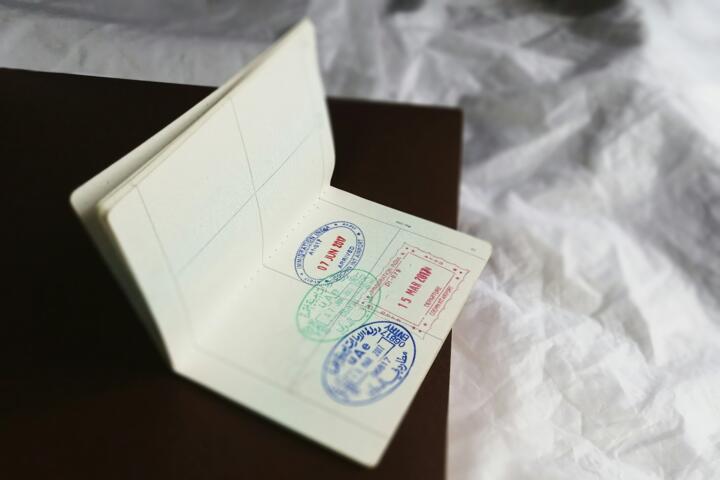
Visas and Entry Basics
A visa is an official endorsement placed on a passport by a country's embassy or consulate that permits the holder to enter, stay, or transit. About 150 countries require travelers to obtain visas before arrival, while some allow visa-free access or visa on arrival privileges.
For instance, U.S. citizens can travel to 185 countries without a prior visa, but travelers from countries like India require visas for most destinations. Visa durations vary widely, often from 30 days to 90 days for tourists, with some business or work visas lasting years.
Besides visas, entry requirements include passport validity, proof of onward travel, vaccination certificates, and customs declarations. A Canadian visitor to Japan, for example, must show a valid return ticket and a passport valid for the trip duration.
Travelers often confuse visa-free travel with unrestricted entry. Countries may still refuse admission based on security checks or incomplete paperwork.
The complexities of visa regimes increase with changing geopolitical climates. The EU’s Schengen area unifies visa rules for 27 countries, yet rules can shift with member states’ policies.
Common Visa Issues
Many travelers miss deadlines, underestimate document requirements, or choose the wrong visa category. An expired visa or a mismatch between the intended activity and visa type leads to refusal or deportation.
Ignoring country-specific regulations risks fines or longer bans. For example, overstaying a U.S. tourist visa can result in a 3- to 10-year bar depending on the duration of overstay.
Visa denials often stem from incomplete applications, lack of financial proof, or suspicious travel motives. Cases increase during pandemic-related restrictions that tighten entry conditions unpredictably.
Entry officers can deny access at the airport border; no visa guarantees entry. A common mistake is relying on electronic travel authorizations without confirming eligibility.
Companies lose millions annually because employees cannot enter foreign offices due to visa complications — all avoidable with preparation.
Visa Tips and Tools
Choose the Right Visa Type
Select the correct visa category based on trip purpose: tourist, business, student, or work. Each type demands different documentation. For example, a Schengen short-stay visa covers tourism but not employment, which needs distinct work permits.
This prevents legal trouble and delays. Consulting official embassy websites or platforms like iVisa or VisaHQ gives updated visa options and costs, saving days of research.
Start Early and Track
Begin the visa process 45 to 90 days ahead; some countries book appointments months in advance. Use tools like the U.S. Department of State visa appointment portal or Global Entry app for efficient tracking.
Late applications often miss required biometrics or interviews, resulting in last-minute travel cancellations.
Document Preparation
Compile and notarize documents neatly: bank statements, invitation letters, travel insurance, accommodation proof. Use checklist apps like TripIt or Microsoft To Do to avoid missing papers, as embassies reject incomplete files without exceptions.
Providing clear originals and translations, if needed, smooths processing significantly.
Understand Entry Requirements
Passport validity rules vary but often require at least six months beyond your planned exit. Confirm vaccination or quarantine directives on the IATA Travel Centre or government portals before booking flights.
Failing to meet these can lead to denied boarding, not just denied entry.
Use Trusted Services
Visa agencies ease application stress by handling paperwork for fees ranging from $100 to $300, not including visa costs. For example, VFS Global handles visa submissions for over 60 countries globally, offering tracking and courier services.
Use them only for complex cases to save money and avoid delays caused by misfiling.
Record and Confirm Appointments
After booking appointments for interviews or biometrics, create calendar reminders. Embassy schedulers close slots fast; missing them means rebooking months out.
I once narrowly avoided a missed U.K. visa interview by syncing reminders across four devices.
Check Processing Times
Research average processing times on government sites; allow a buffer of 30–60% longer for peak seasons like summer or holidays. Many visas take 15–30 days under normal conditions.
Rush processing options exist but cost extra, sometimes doubling fee totals.
Prepare for the Interview
Bring originals and copies of all documents. Dress smartly and answer questions honestly and briefly. Embassies look for credible ties to your home country and trip reasons.
Practice typical questions, but avoid memorized, robotic responses.
Keep Digital Copies
Scan and store all your application forms, receipts, and passport pages securely. Recommendations include Google Drive with two-factor authentication or dedicated travel apps like TripCase — both handy mid-trip.
Lost physical documents mean big delays, but digital backups rescue situations rapidly.
Cases in Point
A tech startup wanted to send engineers to Germany for a monthly exhibition. They initially applied under tourist visas leading to denial, losing $12,000 budgeted for flights.
After consulting a visa expert, they switched to a business visa with sponsorship letters from the host company and proper insurance. The second attempt succeeded in just 14 days, salvaging the trip and generating $80,000 in contracts.
Another case involved a South American family traveling to Spain. They underestimated passport validity norms, arriving with four months left. Border agents refused entry, requiring a costly flight cancellation and rebooking.
Both examples stress verifying micro-details like document expiry dates and visa classifications before finalizing bookings.
Visa Planning Checklist
| Step | Action | Tool/Resource | Timing |
|---|---|---|---|
| 1 | Check visa requirements | Embassy website, IATA Travel Centre | 90 days before |
| 2 | Gather documents | Checklist app, original papers | 60 days before |
| 3 | Submit visa application | Visa agency or embassy portal | 45 days before |
| 4 | Attend biometrics/interview | Appointment calendar | 30 days before |
| 5 | Confirm visa receipt | Courier tracking or embassy | 15 days before |
| 6 | Verify passport validity | Passport checker tools | Before travel |
Frequent Errors
Submitting incomplete forms topped my list of errors clients make. It wastes weeks waiting for embassy correspondence, and often systems refuse partial uploads outright.
Some travelers assume visa-free means no need for any compliance; this backfires at airside immigration. Others overlook health or vaccination certificates needed post-pandemic.
Booking non-refundable tickets before visa approval is a financial risk; many airlines won’t refund once a visa denial occurs — it happened to me with a 2022 trip to Russia.
Reservations for accommodation without proof sometimes cause denials. A hotel booking confirmation letter works better than a self-stated address.
Lastly, incorrectly filled application forms with mismatched names or dates trigger rejections; triple-check all names match exactly as in the passport.
FAQ
Do I need a visa for a transit stop?
Some countries require transit visas even if passengers do not leave the airport zone. Check airport rules; for instance, the UAE does not require transit visas for stays under 24 hours in many cases.
How long does a visa application take?
Processing ranges widely: US tourist visas often take 7–14 days, while Indian e-visas process within 72 hours. Factors include season, embassy workload, and application completeness.
Can I extend my tourist visa?
Extensions depend on country policies. Schengen visas typically cannot be extended except emergency reasons; the UK allows limited visitor extensions under specific conditions.
What if I lose my passport abroad?
Report immediately to the closest embassy or consulate for a temporary travel document. Reporting to local authorities helps prevent misuse. Keep digital copies stored separately.
Do children need visas?
Yes, minors usually require visas regardless of age. Some countries offer simplified processes or exemptions, but confirmation from official sources is vital before travel.
Author's Insight
After processing visas for business clients across 20+ countries, I’ve learned that attention to detail saves the most headaches. I once spent three hours in a consulate waiting line because a single form had one typo. Booking appointments weeks ahead, confirming checklist items, and not assuming are lessons learned hard.
Many people underestimate the importance of digital backups of documents. I recommend carrying both digital and paper versions for emergencies.
Patience is a useful skill here due to unpredictable embassy delays and variable clearance times.
Summary
Visas and entry requirements differ widely and demand precise preparation. Start months early, choose visa types carefully, and compile verified documents. Use embassy websites and trusted agencies for updates.
Check passport validity, accommodate appointments, and keep copies handy. Avoid common mistakes like incomplete forms or booking tickets before visa issuance. This approach reduces risk, saves money, and prevents travel disruptions.
The effort feels steep, but you gain peace of mind and smoother journeys by mastering the rules.