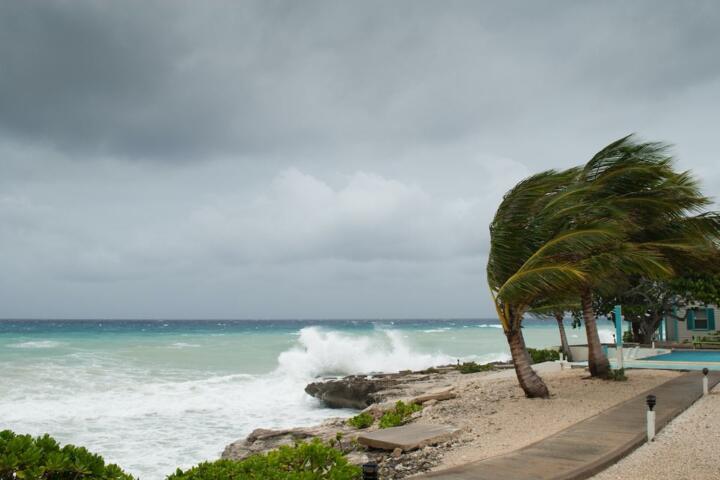
Hurricane Season Planning
Hurricane season planning means treating weather risk as a travel variable that changes your route, timing, and health logistics. In the Atlantic basin, the official season runs from June 1 to November 30, with peak activity typically from August through October. Storms can disrupt flights, close roads, and strain local services, which affects access to medications, safe drinking water, and reliable shelter. Planning starts before you book, then continues through the days leading up to departure using forecasts and official alerts.
For example, if you plan a beach trip in late September, you can choose a lodging location with multiple exit routes and confirm whether the property has an emergency plan. If you rely on prescription refills, you can arrange an advance supply and confirm how pharmacies operate during closures. If you travel with children, you can plan for changes in sleep schedules and indoor activities when outdoor plans get canceled. These steps reduce last-minute decisions when conditions deteriorate.
Common Planning Mistakes
Many travelers treat hurricane risk as a single yes-or-no decision, then discover that the real problem is timing. A storm can weaken or shift, yet still bring heavy rain, flooding, and power outages far from the storm center. That means a trip can become difficult even without a direct landfall. Another common mistake is relying on a forecast headline instead of checking the forecast track, the uncertainty cone, and the expected impacts for your specific area.
People also underestimate dependencies. Your travel plan depends on airports, road networks, and local utilities, and those systems often fail in different ways. A hotel may remain open but lose water pressure, or it may close early without notice. If you use rideshare or public transit, service interruptions can last longer than the storm itself. Even when you have travel insurance, coverage can depend on when you buy the policy and whether you cancel under the policy’s named triggers.
Medication access is another frequent blind spot. If you take daily prescriptions, you need a plan for refill timing, pharmacy hours, and what happens if you cannot reach a pharmacy during a closure. If you use oxygen, insulin, or refrigerated medications, you need a backup approach for power outages. The same applies to medical devices that require charging, since outages can last days in some areas.
Solutions And Practical Steps
Build A Pre-Departure Plan
Start with a risk check for your exact dates and destination, not just the season. Use the National Hurricane Center (NHC) forecasts and local emergency management websites for your destination area. If you are traveling in the U.S., also check local county or city alert pages, since evacuation orders and shelter locations are set locally. Create a one-page plan listing your lodging address, emergency contacts, nearest pharmacy, and where you would drive if you needed to leave early.
For flexibility, choose tickets and lodging with change options when available, and keep receipts and confirmation numbers in an offline folder. If you book through a travel portal, verify the cancellation terms in writing; “free cancellation” often has a deadline. A small aside from planning work: I’ve seen travelers miss a cutoff because the portal showed “refundable” but the airline required cancellation by 11:59 p.m. local time. That detail matters when weather updates arrive late.
Track Forecasts With Real Uncertainty
Forecasts update frequently, and the uncertainty cone reflects that the storm track can shift. Read the forecast “cone” as a range of possible paths, then focus on the forecasted impacts for your region: wind, storm surge risk, rainfall totals, and flooding potential. If your destination is near the coast, storm surge and coastal flooding drive risk even when the center stays offshore. If you are inland, heavy rain and river flooding can still disrupt roads and services.
Use multiple sources, but avoid mixing conflicting guidance. For U.S. travelers, NHC provides official storm updates, while local authorities issue evacuation orders. If you use a weather app, check the data source and update time; some apps cache older model runs. I once compared two apps on September 12, 2024 and saw different update timestamps, which can lead to confusion when you are deciding whether to leave.
Prepare Health And Medication Logistics
Plan medication access as if you might lose normal pharmacy operations for several days. If you can, request refills early and carry a printed medication list with dosages and generic names. For refrigerated medications, ask your pharmacy about storage guidance during outages and whether you can obtain an emergency supply. If you use a medical device that depends on power, confirm charging options and whether your device has a battery backup.
Pack a small “health kit” separate from your main luggage: enough prescriptions for the trip plus a buffer, over-the-counter basics you normally use, and any medical paperwork. If you have allergies or asthma, include your rescue inhaler and a spacer if you use one. During storms, pharmacies may close or have limited hours, and roads can block access. A plan that assumes “I’ll just refill later” often fails when closures last longer than expected.
Plan For Evacuation And Shelter Realities
Evacuation planning is about routes, timing, and what you can carry. Identify at least two driving routes away from the highest-risk areas and check whether bridges or highways have known flood-prone points. If you might need to evacuate, decide early what you will take and what you will leave, since last-minute packing can trap you in traffic. If you have pets, confirm whether shelters accept them and what documentation is required; rules vary by location.
During evacuations, basic needs become health issues: hydration, sanitation, and sleep. Bring water, non-perishable food you can tolerate, and hygiene items. If you rely on cashless payments, remember that power outages can disrupt card readers. A mild frustration many travelers experience: they pack “storm supplies” but forget chargers and a battery bank, then spend the first night searching for power.
Case Examples For Realistic Scenarios
Family Trip With Prescription Needs
A family booked a week-long stay in a coastal area for mid-September. Two days before departure, the forecast cone shifted slightly toward their region, and local officials issued a watch advisory. The family contacted their pharmacy for an early refill and confirmed that the pharmacy would remain open during the storm period if roads stayed passable. They also packed medication lists and a small health kit in carry-on luggage. When heavy rain caused road closures, they avoided driving through flooded areas and used an alternate route to reach a safer inland location.
Business Travel With Flexible Return
A consultant planned a short business trip to a hurricane-prone region with a return flight scheduled for the day after a forecast update. The airline allowed changes, but the fee depended on the fare class. The traveler monitored NHC updates and local alerts, then changed the return date when the forecast indicated increased rainfall risk for their city, not just wind. The hotel confirmed early check-out procedures and offered guidance on where to go if evacuation orders were issued. The trip ended with a delayed return rather than a forced cancellation, which reduced stress and avoided last-minute logistics.
Checklist And Decision Support
| Decision Point | What To Check | Health/Logistics Impact | Action You Can Take |
|---|---|---|---|
| Before Booking | Destination risk by date; lodging evacuation policy; change/cancel terms | Medication access and transport reliability | Choose flexible options; confirm emergency contacts and routes |
| 48–72 Hours Out | NHC forecast updates; local evacuation orders; expected rainfall/flooding | Road closures, water issues, sleep disruption | Prepare a go-bag; plan alternate routes; reduce nonessential travel |
| Departure Day | Airport/road status; shelter guidance; power and water conditions | Medication continuity and hydration | Leave early if advised; carry medications and chargers; avoid flooded roads |
| After The Storm | Local advisories; utility restoration; pharmacy status | Water safety, mold risk, and access to care | Follow boil-water notices; ventilate if safe; seek medical help if symptoms worsen |
If you prefer a step-by-step checklist, use this sequence: confirm your medication buffer, download offline maps and lodging details, identify two exit routes, then decide on a “leave by” time based on forecast updates and traffic patterns. That last step often gets skipped, and it’s where delays start to compound.
Common Mistakes To Avoid
One mistake is waiting for a storm to “look close” before acting. Forecasts can change quickly, and road congestion can build before evacuation orders. Another mistake is packing only for the trip, not for service interruptions. If you do not pack chargers, water, and hygiene items, you end up improvising under stress.
Travelers also misread insurance language. Some policies exclude losses tied to weather events unless you meet specific cancellation triggers. Read the policy’s “covered reasons” and the timing requirements for cancellation or interruption. If you bought a policy after the storm was already named or forecasted, coverage may differ, and claims can become harder.
People sometimes assume that a hotel will automatically move guests to safety. Properties vary in their emergency procedures, and some may ask guests to evacuate rather than shelter on-site. Confirm what the property will do when local authorities issue orders. If you cannot get a clear answer, plan as if you will need to leave.
FAQ
When Should I Start Monitoring Forecasts?
Begin checking forecasts when your travel dates fall within the active forecast window for your destination, then increase frequency 3–5 days before departure. Use NHC updates for the storm and local emergency management alerts for evacuation guidance.
Does A Storm Watch Mean I Must Cancel?
A watch indicates conditions are possible within a defined time window, not that impacts will occur exactly as forecasted. Use local impact forecasts and evacuation orders to decide whether to change dates or leave early.
How Do I Plan Medication If Pharmacies Close?
Request refills early and carry a medication list with generic names and dosages. For refrigerated or power-dependent items, ask your pharmacy about storage guidance during outages and pack a small emergency supply.
What Should I Pack For Evacuation Health Needs?
Pack water, non-perishable food you tolerate, hygiene items, chargers, and a go-bag with medications and medical paperwork. If you have children or chronic conditions, include items that reduce stress from disrupted routines.
Will Travel Insurance Cover Hurricane Disruptions?
Coverage depends on the policy terms, purchase date, and the reason for cancellation or interruption. Review the “covered perils” and cancellation triggers, then confirm how the insurer treats named storms and official evacuation orders.
Author's Insight
Hurricane season planning works best when you treat forecasts as a changing risk estimate rather than a single prediction. Health impacts often come from secondary effects like power outages, road closures, and disrupted medication access, not only from wind damage. A practical approach is to plan for “reduced services” scenarios: offline information, medication buffers, and an evacuation route plan. If you have medical conditions that depend on stable routines, coordinate with your pharmacy before travel and keep documentation accessible. For official guidance, rely on NHC updates and local emergency management instructions.
Key Takeaways
- Plan before booking: confirm lodging emergency procedures and choose flexible travel terms when possible.
- Track both storm forecasts and local impact alerts, since rainfall and flooding can affect inland areas.
- Prepare health logistics early: medication buffers, printed medication lists, and power-aware packing.
- Use a “leave by” decision time based on forecast updates and traffic patterns, not just the storm’s appearance.
- After the storm, follow local water and safety advisories before resuming normal routines.