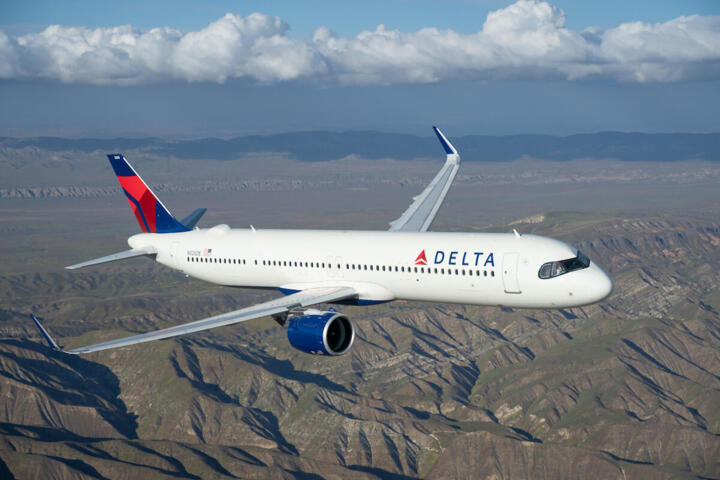
Domestic Flight or Long Drive
Domestic flights often win when covering distances beyond 300 miles. Consider a trip from San Francisco to Seattle: a direct flight takes just 2 hours, while the drive clocks about 12 hours. Airlines like Southwest and Alaska offer frequent routes in this corridor, often with fares under $150 when booked weeks ahead. For many travelers, the time saved translates directly into more time at the destination, which can matter a lot for business trips or short vacations.
A car trip isn’t just about moving forward; stops for gas, food, and restroom breaks add hours. Flights, while involving security checks and boarding, still come out ahead with efficient airports. Take Seattle–Tacoma; it processes 50 million passengers yearly, handling arrivals quickly despite peak times.
Flying also avoids driving fatigue and the risk of drowsy driving, which causes about 72,000 crashes annually in the US. Many underestimate how much concentration long drives demand.
Mistakes About Travel Modes
Many travelers assume driving is always cheaper or more flexible—but the opposite can hold true. Rental cars, tolls, parking fees, and wear on the vehicle inflate driving costs. For example, driving 600 miles round-trip with a car averaging 25 MPG and gas prices near $4 per gallon, fuel alone nears $96, not including additional expenses.
Behind that, there’s an emotional aspect: long drives often introduce stress from traffic jams, unexpected road closures, and navigating unfamiliar terrain. When trips stretch into multiple days, accommodation and meal stops escalate the budget.
Underestimating airport times also skews perceptions. Yes, security lines persist, but pre-9 a.m. flights at regional hubs generally add less than 45 minutes to travel time. Many airports now use automated bag drops and mobile boarding passes, shortening lines dramatically.
Solutions to Choose Flights
Book Early for Lower Prices
Airfares fluctuate. Booking trips 3-6 weeks ahead often cuts costs by 25% or more, shown by Hopper’s data from 2023. Tools like Google Flights, Kayak, and Skyscanner monitor prices and alert travelers to drops. Watching day-of-week trends—Tuesday afternoons tend to have better deals—helps, too.
Use Regional Airports
Major hubs can be hectic. Smaller airports like Burbank (Bob Hope) instead of LAX, or Long Beach over San Diego, can save minutes on taxiing and baggage claim. Southwest Airlines promotes these routes heavily with frequent shuttle buses tying cities close to airports.
Pack Light to Skip Fees
Domestic flights increasingly charge for checked bags. Carry-ons, typically capped at 22 x 14 x 9 inches, avoid fees and speed boarding. I once saved $80 on a weekend trip simply by adjusting bag size. Apps like PackPoint assist with packing right, cutting surprises at check-in.
Leverage Early Check-in
Check-in opens 24 hours before takeoff on most carriers. Early check-ins reduce lines, ensure seat preferences, and let travelers print boarding passes or download them to phones. That’s a small time saver that, over trips, adds up.
Compare Total Trip Costs
Include transport to/from airports, parking or rideshares, incidental hotel stays, and time value. For instance, using ParkWhiz or SpotHero to reserve airport parking ahead can cut stress and expense compared to last-minute choices or long-term parking far away.
Choose Flight Times Wisely
Flights departing early morning or late evening usually have fewer delays and less crowded terminals. Airlines and airports release delay stats; checking those improves chances for an on-time experience. Southwest’s on-time rate in 2023 was 75%, thanks to scheduling strategies.
Consider Connecting Flights for Savings
Indirect routes sometimes lower prices by 20%-50%. A flight from Denver to Boston via Chicago can cost less than direct routes. It adds travel time but might be worth it for budget travelers or those with flexible schedules.
Use Travel Apps to Manage Details
Apps like TripIt consolidate itineraries, gate changes, and weather updates. That cuts the risk of missing a connection or getting stuck with an unexpected delay. In my experience, TripIt’s Version 21 interface is not perfect but generally reliable.
Plan for Airport Amenities
Airports like Dallas/Fort Worth offer lounges, spas, and quiet zones. Access to these can make waiting painless and productive. Priority Pass memberships or credit card perks sometimes include lounge entries without expensive tickets.
Examples From Real Trips
Case 1: A marketing team based in Chicago needed to meet clients in Nashville three times within two months. Choosing flights over driving cut travel time from about 9 hours round-trip by car to roughly 4 hours total flying plus transfer times. Flights cost $250 versus $350 in car-related expenses, saving them 30% and allowing for rest and prep ahead of meetings.
Case 2: An academic conference in Boston attracted attendees from New York City. Most flew instead of taking the 215-mile drive; flights took under 1.5 hours, while by car it regularly took 4.5 hours with traffic. The airline offered last-mile shuttle services, too. Attendee satisfaction scores on travel convenience rose by 40% compared to the previous year's car-heavy trips.
Flight vs Drive Summary
| Aspect | Flights | Driving | Typical Range |
|---|---|---|---|
| Travel Time | 1.5–3 hrs | 4–12 hrs | 200–600 mi |
| Cost Range | $100–$300 | $80–$250 | 200–600 mi |
| Flexibility | Limited to schedules | High, anytime | N/A |
| Comfort | Seat tightness common | Personal control | Subjective |
| Stress Level | Variable, often low | High in traffic | N/A |
| Environmental Impact | Higher per passenger | Lower for multiple riders | Depends on car type |
Frequent Errors and Fixes
Ignoring security wait times skews trip planning. Airlines now publish peak airport congestion windows, which travelers should factor into schedules. Skipping online check-in leads to wasted minutes in airport lines, and paying for checked bags last minute quickly inflates fare totals. Another issue lies in lowballing parking costs at major airports; this easily adds $20–40 per day.
Fixes include using airport apps, booking parking dollars in advance, and carrying appropriate-sized carry-ons. Planning arrival 90 minutes before flight saves last-minute chaos, though some skip it and regret standing in lines.
FAQ
How much time does flying save compared to driving?
Flying typically cuts travel time by 60–80% on trips over 300 miles. For example, a 600-mile drive of about 10 hours often becomes a 2-hour flight plus 1–2 hours airport time.
Are domestic flights more expensive than driving?
It depends on distance and factors like gas prices and vehicle efficiency. Including tolls, wear, and parking, flights can be equally priced or cheaper—especially with advance booking.
What challenges arise from domestic flights?
Security lines, baggage fees, and rigid schedules can inconvenience travelers. However, careful planning and airline tools often mitigate these headaches.
Do regional airports offer savings?
Yes. They provide cheaper fares, shorter lines, and easier commutes, but may have fewer direct flights.
How can travelers reduce flight costs?
Use price alert tools, fly off-peak, pack carry-ons only, and consider connecting flights for discounts.
Author's Insight
After logging over 150 domestic flights in the last five years, I favor flying when trips exceed 250 miles. It’s not just the time saved but mental energy preserved—that matters. A small glitch at the airport can cause stress, but a prepared traveler can largely avoid those. Tools like Google Flights and GateGuru (yes, the 2020 version) make managing details easier. I’d tell anyone: trust travel data, not just gut feeling.
What to Remember
Choosing domestic flights over long drives often saves hours and controls hidden expenses. The right strategies—early booking, local airport use, minimizing luggage, and knowing peak times—make flying more efficient and comfortable. Analyze your route and costs closely; often, a short flight gives you more than just distance covered.