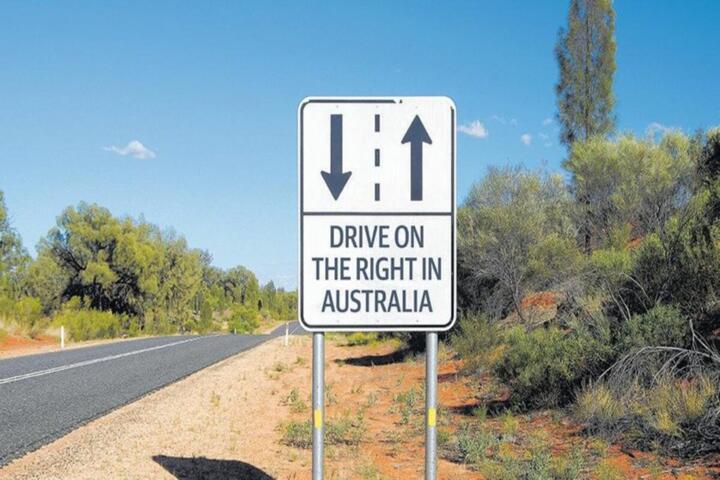
Driving On The Left
Driving on the left means vehicles keep to the left side of the road and overtake on the right. In left-driving countries, the driver sits on the right side of the car, which changes how you judge distance at intersections and when you check mirrors. If you rent a car, the first few minutes often feel “backwards” because your hands and eyes are used to a different layout.
In practice, the biggest differences show up at junctions, roundabouts, and when you enter traffic from a side road. For example, a left-side driving system typically expects you to approach roundabouts differently than you would at home, and the “yield” point can feel delayed. A simple way to prepare is to rehearse the route mentally before you start, then drive slowly through the first two intersections while you confirm lane position and signage.
Road markings also matter. Lane arrows, stop lines, and pedestrian crossings may be placed with the left-driving flow in mind, so you can’t rely on muscle memory. On some roads, the center line and edge lines are consistent, but the spacing of turn lanes can still surprise you, especially in cities.
Common Mistakes And Dependencies
People often get the lane logic wrong at the start of a trip. They assume the road “works the same way” and only notice the difference when they reach a turning lane or a merge. Another frequent error is treating roundabouts like regular intersections, then entering too fast because the right-side traffic pattern feels familiar.
Supporting systems can reduce workload, but they also create new failure modes. A rental car’s navigation may show lane-level guidance that conflicts with local signage, and some systems label exits in a way that assumes a different driving side. If your GPS app is set to the wrong country profile, voice prompts can lag behind real road geometry, which is especially noticeable on multi-lane roundabouts.
Mirror setup is another dependency. Many drivers adjust mirrors for their home driving side and then forget to re-check after switching cars. The blind-spot area changes with the driver’s position, and the “right” mirror view can feel tighter or wider than expected. If you drive with a phone mount, the screen brightness and placement can also distract you during the first hour, when you’re still building a new scanning pattern.
Finally, road rules vary by country even when the driving side matches. Yield rules at roundabouts, priority at uncontrolled intersections, and how overtaking is enforced can differ. You can’t assume that a left-driving country uses the same roundabout conventions as another left-driving country.
Advice For Safer First Hours
Set Up The Car Correctly
Before moving, adjust seat position and mirrors so you can see the lane edges without leaning. If your rental car has a driver-assist suite, check whether lane-keeping or adaptive cruise is active and how it behaves at low speeds; some systems react differently when lane markings are faint. I’ve seen rental cars with lane-keeping set to a mode that beeps at every minor drift, which can be distracting while you’re learning the new side. On a typical rental, you can confirm settings in the infotainment menu and then turn on a calmer driving mode for the first segment.
Also check wipers and headlights. In many countries, the headlight switch and beam pattern controls are positioned for right-hand driving, so you may need an extra second to find them. If you drive at dusk, test the high-beam control once while parked, because the lever layout can differ from what you’re used to.
Plan Intersections And Roundabouts
Start with a route that minimizes complex junctions during your first 30–60 minutes. Choose roads with fewer merges and fewer multi-lane roundabouts if your itinerary allows. When you approach a roundabout, slow down early and watch for the yield line and the sign that indicates who has priority. In some places, you yield to traffic already in the roundabout; in others, the signage changes the rule, and the road markings do the final job.
Use a consistent scanning routine: mirrors, blind spot, then lane position. If you’re turning left from the driver’s perspective, the timing of oncoming traffic checks can feel delayed, so give yourself extra space. A practical target is to keep a longer gap than you would at home until you can predict how quickly vehicles appear from the right side of the road.
Use Navigation With Verification
Set your navigation before you start moving and keep the volume audible. If your GPS shows lane-level guidance, treat it as a suggestion, not a substitute for signs and markings. On one trip planning session in 2024, I noticed that a popular mapping app labeled an exit with a generic “keep left” instruction even though the road had a dedicated turn lane; the sign on the ground corrected the route. When guidance conflicts with road markings, follow the physical signage.
If your rental car supports it, consider using the car’s built-in navigation rather than a phone app, since the car system may have different map data and routing logic. Still, verify the driving side setting in the app settings, because some apps remember the last region you used.
Manage Speed And Overtaking
Overtaking on the right is the core rule, but the real risk is misjudging when it’s safe to pass. Drivers in left-driving countries may expect different gaps and may use different lane discipline, especially on rural roads. Keep speed modest on two-lane roads until you understand how drivers signal and how often they pull over.
When you see a vehicle approaching from behind, avoid sudden lane changes. Build a habit of checking mirrors before you move, then confirm with a quick shoulder check. If you’re unsure, stay in your lane and let the faster traffic pass when it’s legal and safe for them.
Case Examples From Realistic Trips
Scenario 1: Airport pickup to city center. A traveler rents a manual car and drives from the airport to a hotel. The first left turn is made too late because the driver expects the turn lane to be on the opposite side; the car ends up near the center line. The fix is procedural: stop at the next safe point, re-check mirror angles, then slow down through the next two intersections while following the lane arrows rather than the road’s “feel.”
Scenario 2: Suburban roundabout confusion. A traveler follows navigation instructions and enters a roundabout without slowing enough. The driver assumes the yield point is farther back and then brakes inside the entry lane. The learning moment is to treat roundabouts as a separate skill: approach slower than you think, identify the yield line and the priority sign, and keep your exit decision early so you don’t change lanes late.
Driving Side Checklist And Comparison
| Situation | Left-Driving Expectation | Common Error | What To Do Instead |
|---|---|---|---|
| Lane position | Keep to the left side of the road | Drifting toward the center after turns | Re-check lane edges after each turn; drive slower until consistent |
| Overtaking | Pass on the right | Attempting to pass on the left | Treat lane discipline as a rule set; only overtake where signage and markings permit |
| Roundabouts | Yield rules depend on local signs and markings | Entering too fast because it feels like a normal junction | Slow early; identify the yield line and priority sign before committing |
| Navigation | Follow road signs over guidance | Trusting lane-level prompts that conflict with markings | Use navigation for direction, then verify with lane arrows and exit signs |
Step-by-step checklist for the first drive: set mirrors and seat, confirm headlights and wipers, choose a low-complexity route, drive at a speed that matches your scanning ability, and treat the next two intersections as practice reps. If you feel rushed, pull over at a safe spot and reset your plan rather than continuing on autopilot.
Common Mistakes To Avoid
One frequent mistake is relying on “the same road, different side” thinking. Even when the driving side changes, the placement of turn lanes, the meaning of lane arrows, and the timing of yield lines can differ. Another error is skipping a mirror check after you adjust your seat; small changes in posture can shift your blind-spot view.
Some travelers also over-trust driver-assist features. Lane-keeping can help on clear roads, but it may disengage or behave unpredictably when markings are worn. If you’re learning, keep hands steady and treat assist alerts as information, not permission to relax.
Phone distractions are another practical problem. If you use a navigation app, don’t interact with it while approaching a junction. A minor frustration is that the screen brightness and map zoom can change your attention at the exact moment you need to read signage.
Finally, avoid driving when you’re tired. The cognitive load of switching sides is real, and fatigue reduces the quality of scanning. If your rental pickup is late, plan a short first leg and stop before you reach dense traffic.
FAQ
Do I drive on the left in every country?
No. Countries differ on whether traffic keeps to the left or the right, and local road rules can vary even within the same driving-side system.
How should I handle roundabouts while driving on the left?
Slow down on approach, identify the yield line and priority signs, and follow lane markings for entry and exit. Treat each roundabout as a rule-reading task, not a memorized pattern.
What should I check in a rental car before leaving?
Confirm seat and mirror positions, test headlights and wipers, and review any driver-assist settings that affect lane-keeping or speed control. A quick check prevents surprises at the first intersection.
Does navigation work the same way when driving on the left?
Navigation can be accurate, but lane-level prompts may conflict with local signage or road markings. Use guidance for direction, then verify with the physical signs and markings.
Is overtaking always on the right when driving on the left?
Passing is generally on the right, but overtaking legality depends on road type, lane markings, and local rules. Only overtake where signage and markings permit it.
Author's Insight
Driving on the left is a skills shift, not just a rule change. The main risks come from delayed scanning, mirror misalignment, and misreading junction geometry, especially during the first hour after pickup. Evidence-based safety practice focuses on reducing cognitive load: slow down, verify signage, and keep a consistent mirror-and-shoulder-check routine. If you’re using navigation, treat it as a secondary source when lane-level prompts disagree with road markings. A small planning step—choosing a simpler route for the first leg—often reduces stress more than any single trick.
Key Takeaways
- Keep to the left and pass on the right, but follow local signs because junction rules vary.
- Set mirrors and seat position before moving; blind-spot views change with the driver’s side.
- Practice roundabouts by slowing early and reading yield and priority markings.
- Use navigation for direction, then verify lane arrows and exit signs on the road.
- Drive slower than usual during the first hour and pull over to reset if you feel rushed.