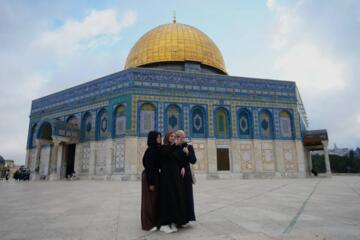
Budget Travel In The Middle East
Budget travel in the Middle East depends less on “cheap countries” and more on how you combine transport, lodging, and daily spending. A practical example: flying into one hub city and using buses or trains to reach nearby destinations often costs less than buying separate short-haul flights. In many places, local taxis are convenient but can erase savings if you use them for every leg. Planning around opening hours and religious calendars also changes what you can do for free or low cost.
Start with a route that minimizes backtracking. Then set a daily spending target that matches your travel style: street food and shared rides cost less than sit-down restaurants and private transfers. You’ll also want a plan for payments, since card acceptance varies by country and by neighborhood. I’ve seen travelers arrive with only one payment method and then spend extra time and money solving it at the worst moment—usually after a long border crossing.
Main Budget Mistakes
People often budget for the headline cost and ignore the dependencies that drive the final bill. Flights, visa fees, and airport transfers can be fixed costs that don’t scale down with cheaper hotels. If you underestimate them, your “budget trip” turns into a series of trade-offs you didn’t plan.
Another common mistake is assuming local transport is always cheap. In some cities, metro systems are efficient, but last-mile travel still relies on taxis or ride-hailing. In other places, long-distance buses can be inexpensive yet slower than flights, which affects how many days you can spend in each destination. You also need to account for entry fees to major sites, which can be higher than expected in popular tourist areas.
Supporting technologies matter because they shape costs and friction. Payment rails (chip cards, contactless, local apps), mapping tools, and transit apps determine whether you can navigate without expensive detours. Offline maps help when mobile data is unreliable, but they don’t solve ticketing rules or language barriers. A small aside: Google Maps data coverage differs by city, and transit directions sometimes lag behind real schedules—version 2026.09.01 on my phone showed outdated bus stops in one case, which is the kind of mismatch that wastes time and money.
Solutions And Advice
Build A Realistic Budget
Use a bottom-up estimate: add lodging per night, meals per day, local transport per day, and a separate line for attractions and tours. Then add fixed costs: visa fees, travel insurance, and airport transfers. For a conservative baseline, many travelers aim for a daily range that covers a modest hotel or guesthouse, two meals plus snacks, and frequent public transport. Exact numbers vary by country and season, but the method stays the same: don’t average your trip into one lump sum.
Plan for cash needs. Some smaller shops and street vendors may prefer cash even when cards work elsewhere. If you carry cash, split it across two places so a lost wallet doesn’t end the trip. If you rely on one card, test it before you leave home by making a small purchase—then you’ll know whether the chip works and whether your bank blocks foreign transactions.
Choose Transport That Fits
Compare three options for each leg: long-distance bus, domestic flight, and shared taxi/ride-hailing. Buses often win on cost, while flights can win on time if the route is long and you’re crossing multiple regions. Shared taxis can be cheaper than private cars but may require waiting until enough passengers join, which can be unpredictable.
For city travel, start with the cheapest reliable mode. In many capitals, metro or tram networks cover key areas, and walking between nearby sights reduces both cost and hassle. If you use ride-hailing, set a rule: cap the number of paid rides per day and treat taxis as a backup for late hours. A mild frustration many travelers face: surge pricing during evenings and weekends, which can double the fare when demand spikes.
Stay In Budget-Friendly Areas
Look for lodging near transit lines or within walking distance of clusters of attractions. A slightly higher nightly rate can still be cheaper if it reduces taxi use. Check the basics: air conditioning, hot water, and noise level. In warmer months, air conditioning can be the difference between a comfortable stay and a night spent searching for a quieter room.
Read recent reviews for practical details rather than lifestyle descriptions. Pay attention to whether the property charges extra for late check-in, whether breakfast is included, and whether the location is safe to walk at night. If you see repeated complaints about “far from everything,” treat it as a cost warning because you’ll pay for transport to compensate.
Plan Around Ramadan And Seasons
Religious calendars affect opening hours, restaurant schedules, and sometimes transport frequency. During Ramadan, many restaurants operate differently and some attractions may have altered hours. Prices can shift in peak periods, and demand can concentrate around specific neighborhoods and events.
Plan your daily schedule around what’s open. If you want to visit museums or markets, check opening times in advance and build a flexible plan for afternoons. For meals, identify a few reliable options that fit your budget and dietary needs, then avoid last-minute decisions when choices shrink. If you travel in summer heat, schedule outdoor activities earlier and budget for water and shade breaks.
Case Examples
Scenario 1: A traveler plans a 10-day route from a Gulf hub to two nearby cities. They book flights into the first city, then use buses between the second and third stops to avoid expensive domestic flights. They choose a guesthouse near a metro line and limit ride-hailing to airport transfers and late evenings. Their budget stays stable because they pre-check attraction entry fees and reserve one paid tour early, rather than buying multiple small add-ons each day.
Scenario 2: A couple travels during shoulder season and focuses on one country for 14 days. They select lodging with air conditioning and breakfast included, which reduces daily meal costs and time spent searching. They carry two cards and a small cash reserve, and they download offline maps before arrival. When one transit app shows a route that no longer runs, they switch to walking plus metro for the rest of the week, which prevents a cascade of expensive taxi rides.
Budget Checklist And Trade-Offs
| Decision Point | Lower-Cost Choice | Time/Comfort Trade-Off | What To Check Before Booking |
|---|---|---|---|
| Intercity transport | Bus or shared taxi | Longer travel time, waiting risk | Departure times, station location, last-mile plan |
| City transport | Metro + walking | More walking, route planning needed | Operating hours, station access, safety at night |
| Lodging | Budget guesthouse near transit | Smaller rooms, variable soundproofing | A/C, hot water, late check-in fees |
| Attractions | Mix free sights with 1–2 paid stops | Less flexibility if you overbook | Entry fees, dress rules, opening days |
Step-by-step checklist you can use before you leave: confirm visa requirements for your passport, price airport transfers from the airport to your first neighborhood, map your lodging to the nearest transit line, list three meal options within walking distance, and decide which day you will spend on paid attractions. Then leave one day unplanned for weather, closures, or schedule changes.
Common Mistakes
Booking only the cheapest hotel without checking location often causes the biggest budget leak. If you spend extra on taxis to reach basic services, the savings disappear quickly. Another frequent issue is ignoring dress and entry rules at religious sites; a wrong outfit can mean denied entry or forced changes at your own expense.
People also underestimate how cash and card acceptance varies. A card that works in one city may fail in a smaller town, and some ATMs charge fees that stack with your bank’s foreign transaction charges. If you withdraw cash, compare ATM fees and consider withdrawing larger amounts less often to reduce fixed charges.
Finally, travelers sometimes overpack paid tours to “make the most” of limited time. When schedules shift, you end up paying for rescheduling or missing the start of a tour. A calmer approach is to pre-book one or two timed activities and keep the rest flexible.
FAQ
How much should I budget per day?
Estimate by adding lodging, meals, local transport, and attraction entry fees, then add fixed costs like visas and airport transfers. Use a conservative range for your chosen travel style and season, then adjust after you price your first two nights and one intercity leg.
Do I need cash or cards?
Carry a mix. Card acceptance varies by country and neighborhood, while some small vendors and local transport may prefer cash. Split cash into two locations and test your card with a small purchase before committing to larger payments.
Are buses cheaper than flights?
Often, buses cost less, but travel time can be longer and schedules can be less predictable. For long distances, a flight can reduce the number of nights you need, which can offset the higher ticket price.
How does Ramadan affect travel costs?
Ramadan can change restaurant hours and the timing of attractions, which affects where you can eat and when you can visit. Demand shifts can also influence prices in popular areas, so plan meals and sightseeing around opening times.
What should I pack for religious sites?
Bring clothing that matches local expectations for modesty at religious sites, plus a light layer for indoor spaces. If you plan to visit multiple sites, pack one outfit that works across locations to avoid last-minute purchases.
Author's Insight
Budget travel in the Middle East works best when you treat costs as a system: transport choices affect lodging location, which affects how often you pay for taxis, which affects your daily spending. Planning around opening hours and payment methods reduces friction that often turns into extra costs. I’m not using personal clinical experience here; the guidance is based on common travel operations—ticketing, transit reliability, and payment acceptance patterns that vary by city. If you want a tighter budget, price your first two nights and one intercity leg before you finalize the rest of the itinerary.
Key Takeaways
- Budget by line items: lodging, meals, local transport, attractions, plus fixed costs like visas and airport transfers.
- Choose transport based on time and route length, not only ticket price.
- Pick lodging near transit or walkable clusters to reduce taxi spending.
- Plan for Ramadan and seasonal schedule changes to avoid missed openings and last-minute expenses.
- Carry both cash and cards, and test your payment method early in the trip.