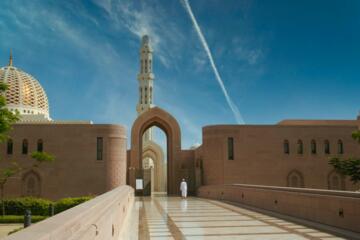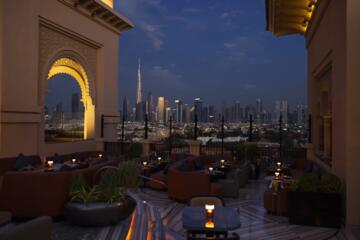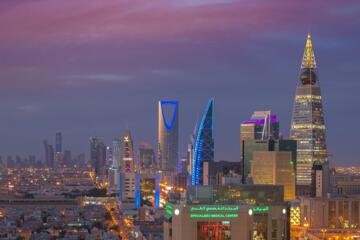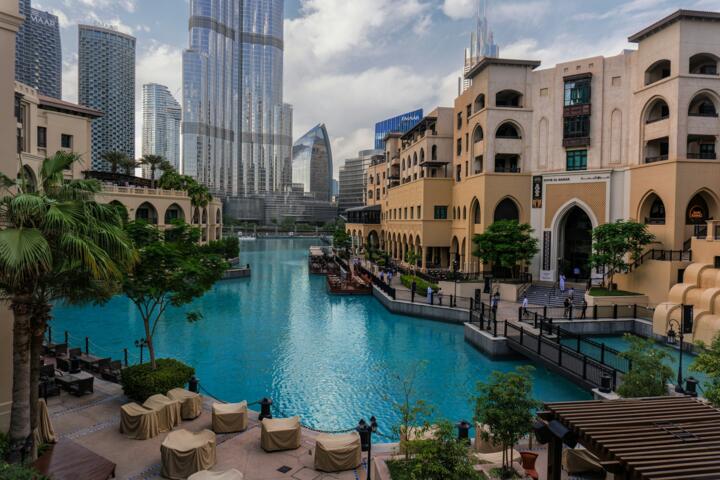
Luxury hubs in the Middle East
The Middle East hosts some of the world’s most lavish shopping destinations, combining global luxury brands with unique regional artisanship. Dubai’s Mall of the Emirates alone pulls in over 75 million visitors annually, showcasing flagship stores from names like Chanel, Gucci, and Louis Vuitton. Abu Dhabi’s Marina Mall and Kuwait’s Avenues Mall also rank high, offering exclusive collections unavailable elsewhere. Shopper capacity runs into the hundreds of thousands daily across these hubs, fueled by affluent locals, tourists, and business travelers.
Luxury is not just about labels but experience. A visit to these areas blends fine dining options, art installations, and VIP services.
Prices here can differ dramatically, influenced by import taxes, exclusive releases, and localized demand. Dubai Duty Free serves as a frequent first stop; some watch models cost 15% less there compared to Europe.
Common issues in luxury shopping
Many shoppers assume luxury shopping in the Middle East means guaranteed authenticity at inflated prices. That’s not always true. Counterfeit goods sometimes infiltrate markets, especially outside official malls. Visitors may fall victim to unreliable warranty claims or limited after-sales support. Sales tactics can feel aggressive, overwhelming even seasoned buyers.
Long queues at exclusive boutiques frustrate busy travelers. Time zones and local holidays — like Eid or National Days — also affect stock availability and store hours appreciably.
Ignoring these factors leads to missed opportunities or impulse buys that end up regretted.
High prices don’t always translate to superior service or a broad selection. Choose venues wisely.
Recommendations for effective shopping
Choose flagship malls
Flagship malls such as Dubai Mall and The Galleria in Abu Dhabi concentrate major luxury brands under one roof, simplifying your itinerary. These venues guarantee authentic products backed by robust service networks. Look for VIP lounges—some malls offer personal shopping advisors who speak your language and prep a personalized selection before arrival.
Inspect item origin and warranty
Ask for serial numbers and proof of origin directly. Luxury watches like Rolex have regional exclusivity; confirming warranty validity within your home country avoids future headaches. Authenticate diamond and gemstone reports from reputable labs such as GIA or IGI found in boutiques.
Use tax-free shopping
Shoppers outside the GCC can claim VAT refunds ranging from 5% up to 10% at airport counters. This saves hundreds on expensive apparel or jewelry. Utilize services like Global Blue; their app (version 5.2.0) quickens refund filing.
Book appointments for rare items
Boutiques often hold limited editions or one-offs. Booking ahead—like at Hermes or Cartier—ensures access to these rare pieces and personalized fittings. This approach cuts down on wasted time and disappointment. It usually requires 48 hours notice.
Leverage luxury concierge services
Some hotels partner with high-end personal shoppers who schedule boutique visits, secure special previews, and handle shipping. This service costs extra but pays off for time-strapped clients needing a streamlined experience. Rates average $150–$300 per session.
Attend exclusive fashion events
Shopping during Dubai Fashion Week or Abu Dhabi’s Art & Design Week unlocks early access to new collections and designer showcases. Many brands offer limited-time discounts during these events, though crowds spike accordingly.
Explore artisan markets
For unique, handmade luxury items, places like Souk Madinat Jumeirah in Dubai offer jewels and textiles reflecting local craft traditions. Prices are negotiable, and quality often rivals Western-made goods.
Real shopping success stories
A luxury watch collector from Europe struggled to find the exact Patek Philippe Nautilus reference in his home city but secured it within two days at a Dubai boutique after arranging a pre-visit consultation. He saved about $5,000 after tax refund compared to local dealers.
A Kuwaiti fashion influencer partnered with a luxury concierge for Abu Dhabi trips during Fashion Week. They accessed exclusive previews, boosting her brand sponsorships by 20% and securing custom pieces unavailable outside the event.
Luxury malls compared
| Mall | Brands Count | VIP Services | Parking |
|---|---|---|---|
| Dubai Mall | 150+ | Yes | 14,000 spots |
| The Galleria | 120+ | Personal Shopper | 7,000 spots |
| Avenues Mall | 130+ | Limited | 8,500 spots |
Shopping pitfalls to skip
Impulse buying remains the top mistake. The thrill of rare pieces can cloud judgment about price fairness and genuine need. Overspending on non-warranty items or fake accessories wastes budget badly.
Avoid buying from unofficial vendors—even in tourist-heavy souks. Despite aggressive haggling, quality and aftercare suffer. Check return policies carefully. Some boutiques enforce strict no-return rules, especially on sale items.
Do not rush flagship visits during major holidays; stores close early or remain shut. Planning visits mid-week offers smoother browsing. The biggest frustration: losing hours standing in line and missing items.
FAQ
What Middle East city has most luxury brands?
Dubai leads, with over 150 luxury brand stores concentrated in malls like Dubai Mall and Mall of the Emirates.
Are luxury goods cheaper in the Middle East?
They can be, especially with VAT refunds; some watches or handbags cost 5–15% less than in Europe or Asia.
Can I use international warranty on products bought here?
Many brands honor global warranty, but confirm before purchase. Some luxury items have regional restrictions.
Is haggling acceptable in luxury malls?
No. Prices in boutique stores within malls are fixed, unlike open-air markets where negotiation is common.
Are there personal shopping services available?
Yes. Most large malls offer personal shopping or concierge services for luxury shoppers, often for a fee.
Author's Insight
My years visiting luxury retail hubs across the Middle East confirm their mix of tradition and modernity shapes unparalleled shopping. Planning ahead has saved more than once—especially securing sought-after limited editions. The local boutiques, while impressive, sometimes surprise with different service standards depending on staff training schedules, which, frankly, most don’t anticipate. Using a local guide or concierge boosted my efficiency on tight trips. I encourage first-timers to embrace the experience with an open mind; luxury here goes beyond price tags.
Summary
Luxury shopping in the Middle East offers unique opportunities bound by location, service, and cultural context. Focus on flagship malls for reliability, confirm authenticity, and use VAT refunds to reduce costs. Skip impulse buys and busy holiday periods to save time and money. Personalized services elevate the experience, especially if you need rare or high-demand items. Careful prep turns a shopping trip into a rewarding adventure rather than a frustrating chase.