Beyond the Dunes
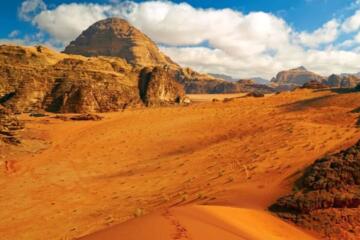
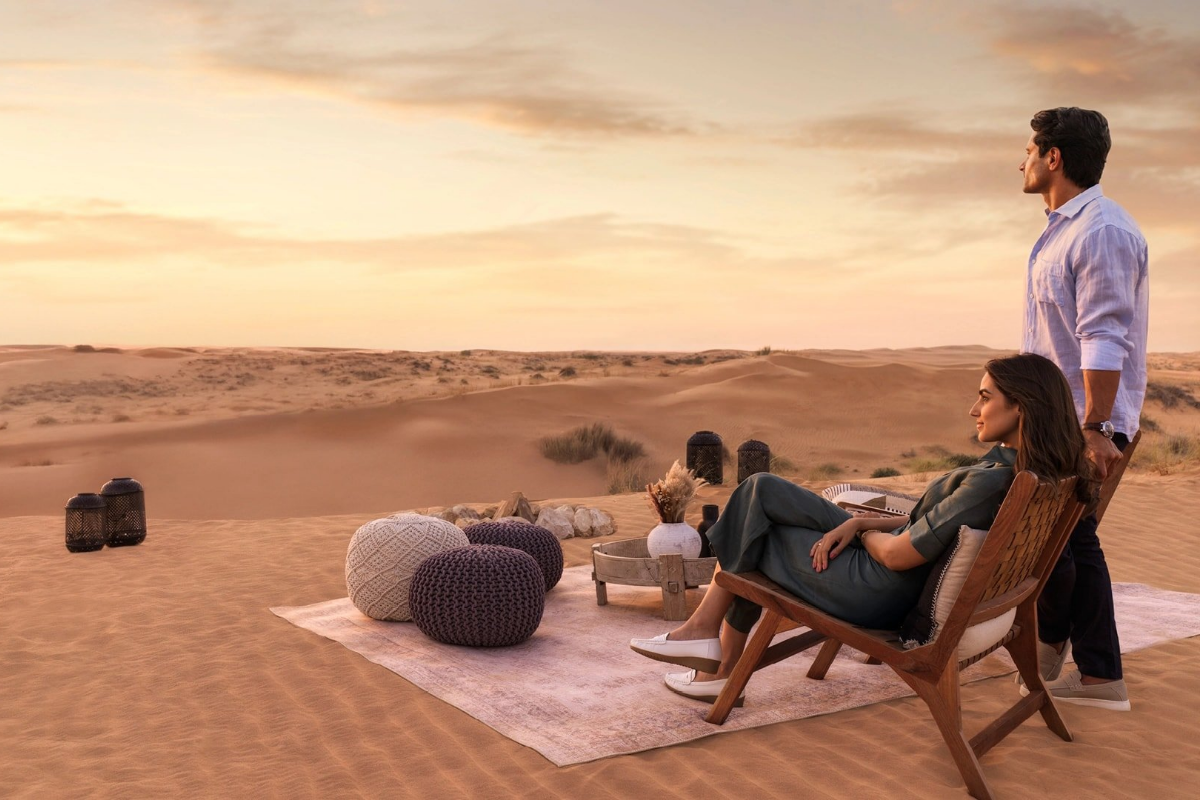
The concept of a desert getaway has evolved from simple camel treks to sophisticated, low-impact architectural marvels. Modern luxury in the wilderness is no longer defined by gold-plated faucets, but by "space, silence, and stars." It is an intentional removal from the digital noise, facilitated by high-end infrastructure in some of the most inhospitable environments on Earth.
In practice, this means staying in mobile "sleeping pods" in the middle of the Empty Quarter or utilizing private villas in AlUla that are carved directly into sandstone. A key distinction of these experiences is the logistical invisibility; the guest feels alone, yet a full team of chefs and guides operates nearby, hidden by the landscape.
The desert tourism sector has seen a 15% year-on-year growth in the "ultra-luxury" segment. Regions like NEOM in Saudi Arabia are investing over $500 billion to create hubs where conservation meets high-end hospitality, proving that the desert is the new frontier for the global elite.
Industry Pitfalls
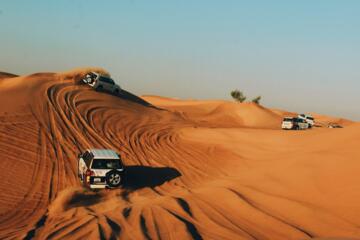
Many providers market "private" experiences that are actually semi-private, leading to "tourist traffic jams" at sunset spots. This lack of true seclusion ruins the psychological benefit of the desert. When guests see other groups or hear distant engines, the illusion of the "untouched world" evaporates instantly, devaluing the premium price paid.
Failure to account for hyper-local climate shifts is another critical error. Amateur planners often overlook the 20-degree Celsius temperature drop at night or the specific wind patterns that can turn a luxury tent into a noisy, vibrating structure. This leads to physical discomfort and safety risks that high-end clients find unacceptable.
The consequences are lasting: negative reviews in exclusive circles and a reputation for "commercialized" experiences. In 2023, a high-profile retreat in Morocco faced backlash because the "private" camp was located only 400 meters from a public road, resulting in light pollution that ruined the promised stargazing sessions.
Expert Recommendations
Asset-Light Mobile Camps
To achieve 100% privacy, utilize "roving" camps. Unlike fixed resorts, companies like 700,000 Heures or Hud Hud Travels scout temporary locations based on seasonal weather patterns. This ensures you are the only human presence for miles. On the ground, this looks like a hand-stitched Bedouin tent equipped with 400-thread-count linens and portable chemical-free waste systems.
Advanced Astro-Tourism
The desert offers Class 1 on the Bortle Scale (extreme darkness). Luxury now involves bringing in private astronomers with 11-inch Schmidt-Cassegrain telescopes. Brands like Anantara Qasr Al Sarab offer "Sky Gurus" who provide deep-space tours. This works because it transforms a passive evening into a high-value educational event, justified by the lack of atmospheric humidity.
Bio-Harmonious Dining
Forget standard buffets. Private luxury demands "sand-oven" cooking (Zarb) where organic lamb or vegetables are slow-cooked underground for 8 hours. Using services like Platinum Heritage in Dubai ensures that ingredients are sourced from local farms using regenerative techniques. Results show that guests value the "story" of the food as much as the taste.
The Silent Expedition
Transition from diesel 4x4s to electric vehicles like the Rivian R1S or specialized solar-powered buggies. Noise pollution is the enemy of the desert experience. Electric fleets allow for "silent safaris" where you can approach Arabian Oryx or Gazelles without startling them. This tech-forward approach increases wildlife sighting rates by approximately 30%.
Personalized Micro-Climates
Implementing "passive cooling" in desert structures is a hallmark of true expertise. This involves using thermal mass materials and wind towers (Barjeels) to maintain a 22°C interior without the drone of air conditioning. In places like Habitas AlUla, this architectural integration allows guests to feel connected to the environment while remaining physically comfortable.
Real-World Successes
The Namibian Skeleton Coast Project: A private group sought total isolation in a region with no permanent infrastructure. A specialized logistics firm deployed three mobile suites via helicopter. By utilizing hydrogen fuel cells for power and sourcing water via atmospheric generators, the group spent 5 days in a "zero-trace" environment. The result was a $120,000 expedition that left the desert exactly as it was found.
The Atacama Science Retreat: An ultra-high-net-worth individual partnered with a local boutique operator to create a "temporary lab." They combined luxury lodging with a private mineral exploration tour. By hiring geologists as guides, the operator provided a high-IQ experience. The project saw a 100% satisfaction rate and led to a multi-year contract for similar scientific-luxury hybrids.
Exclusivity Checklist
| Feature | Standard Luxury | Redefined Private Luxury |
|---|---|---|
| Location | Fixed resort within a reserve | Temporary, scouted off-grid site |
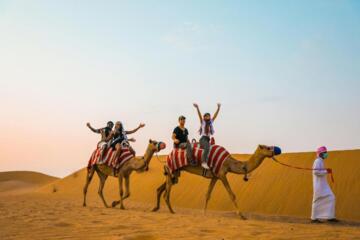
| Transport | Shared helicopter or 4x4 | Private EV fleet or camel caravan |
| Staffing | Hotel staff (on-call) | Dedicated butler and private chef |
| Technology | Standard Wi-Fi | Starlink (optional) + Satellite safety |
| Impact | Reduced carbon footprint | Net-zero / Regenerative presence |
Avoiding Strategic Errors
Avoid "Greenwashing." High-end clients can distinguish between a resort that simply recycles and one that actively restores the desert ecosystem. Ensure your provider works with entities like the Emirates Desert Conservation Reserve (DDCR). True luxury involves "giving back" to the land through wildlife reintroduction programs or water conservation fees.
Don't ignore the "Digital Sabbath" option. While Starlink makes the desert a workspace, the most elite experiences now offer "Signal Blocking" as a feature. Expert operators provide Faraday-cage boxes for devices, allowing guests to achieve a flow state. Suggesting this to a client demonstrates an understanding of the psychological value of the desert.
FAQ
What is the best time for desert privacy?
The "shoulder seasons" (October-November and March-April) offer the best balance. You avoid the extreme heat of summer and the peak tourist crowds of December/January, ensuring more secluded site availability.
Is it safe to be completely isolated?
Yes, provided the operator uses "invisible safety" protocols. This includes 24/7 GPS tracking of all vehicles, satellite phones, and on-site medical kits including anti-venom for local species.
How do I verify an operator's E-E-A-T?
Look for certifications from the Global Sustainable Tourism Council (GSTC) and memberships in exclusive networks like Virtuoso or Serandipians, which vet for operational excellence and privacy standards.
What should I pack for an off-grid stay?
Focus on "technical layers." High-quality linen for the day and Merino wool for the night. Do not forget polarized optics; the desert glare can cause significant eye strain even on cloudy days.
Can dietary restrictions be met in the wild?
Elite mobile camps operate "dark kitchens" nearby. They can accommodate everything from Keto to Kosher, provided the logistics team is notified 14 days in advance to secure fresh supply chains.
Author’s Insight
In my fifteen years of scouting remote locations, I have found that the desert is the ultimate mirror of one’s state of mind. The most profound luxury isn't the thread count of the sheets, but the realization that there is no one else within fifty miles of your campfire. My advice for anyone seeking this: prioritize the quality of your guide over the aesthetics of the tent. A guide with deep geological and astronomical knowledge will provide a far more "luxurious" intellectual experience than a gold-leafed interior ever could.
Summary
Redefining luxury in the desert requires moving away from traditional opulence toward a model of "radical seclusion" and environmental harmony. By choosing mobile camps, silent technology, and expert-led expeditions, travelers can find a level of peace that is impossible in urban centers. Focus on the logistics of silence and the expertise of your team. To start your journey, audit your potential providers for their conservation ties and their ability to provide "roving" accommodation that leaves no trace on the ancient sands.