Ancient Crossroads
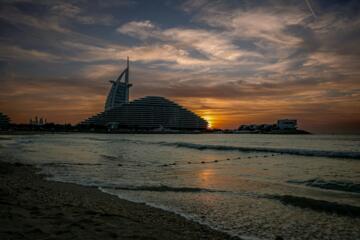
AlUla represents a tectonic shift in the Middle Eastern tourism landscape, moving away from the "bigger is better" philosophy of Dubai toward a "curated and conscious" model. It is not merely a desert location; it is a 22,000-square-kilometer living museum that includes the UNESCO World Heritage site of Hegra, dating back to the Nabataean Kingdom.
Practically, this means the region has implemented a "low-volume, high-value" strategy. Unlike traditional tourist hubs, the Royal Commission for AlUla (RCU) has capped visitor numbers to preserve the integrity of the archaeological sites. In 2023, the region saw a significant 45% increase in luxury hotel occupancy, driven by international travelers seeking the intersection of wellness and history.
Recent data indicates that the "AlUla Vision 2030" plan aims to contribute $32 billion to the national GDP. Currently, the destination boasts a guest-to-staff ratio of nearly 1:3 in its top-tier resorts, ensuring a level of personalized service that rivals the best boutiques in the Maldives or the French Riviera.
Luxury Travel Gaps
Many high-net-worth individuals (HNWIs) and travel agencies treat AlUla as a standard "stopover" destination, which is a fundamental strategic error. Approaching a heritage site with the same mindset as a shopping trip to London or a beach stay in Mykonos leads to a fragmented experience that misses the spiritual and historical depth of the valley.
The primary pain point is the lack of logistical foresight regarding seasonal variability and booking windows. Because AlUla prioritizes exclusivity, "prime-time" slots for visiting Hegra or dining at Michelin-starred pop-ups like Maraya Social often sell out six months in advance. Travelers who arrive without a secured itinerary find themselves locked out of the most transformative experiences.
In real terms, we have seen travelers spend $2,000 per night on accommodation only to miss the "Old Town" tours or the "AlUla Skies" festival because they underestimated the demand for specialized guides. This disconnect results in a high-cost trip that feels "empty," failing to deliver the emotional ROI expected from a premium heritage excursion.
Strategic Execution
Selecting Accommodations Based on Architectural Integration
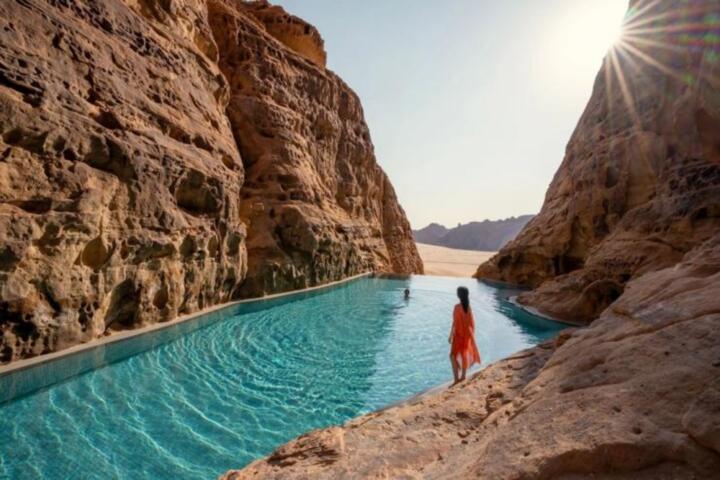
To experience the true essence of the valley, travelers should prioritize resorts that utilize "invisible architecture." Habitas AlUla is a prime example, using sustainable modular construction that leaves no footprint on the desert floor. This isn't just about ethics; it provides a sensory connection to the rock formations that a concrete hotel cannot match. For those seeking absolute privacy, Banyan Tree AlUla offers tented villas with private pools, leveraging the "sanctuary" concept to justify its premium pricing of $1,500+ per night.
Mastering the Logistics of the "AlUla Experience" App
The digital infrastructure in the region is surprisingly robust. The Experience AlUla platform is the central nervous system for bookings. Experts recommend syncing your itinerary with the AlUla Moments calendar. This allows for the integration of high-profile events, such as the Richard Mille AlUla Desert Polo or the Winter at Tantora festival, into a standard sightseeing trip. Using these digital tools ensures you have QR-coded access to restricted zones without administrative delays.
Curating Culinary Journeys Beyond the Resort
Luxury in AlUla is defined by the contrast between rugged nature and refined dining. Maraya Social, headed by Jason Atherton, is located atop the world’s largest mirrored building and offers a Mediterranean-Arabian fusion. However, the real "pro tip" is booking Saffron for authentic Thai flavors in the heart of the desert. This works because it breaks the monotony of local cuisine while maintaining a high standard of service that affluent travelers demand.
Leveraging Private Aviation and Chauffeur Services
While AlUla International Airport (ULH) has expanded, the most seamless way to enter is via private jet or the Saudia "AlUla Boutique" flights from Riyadh or Dubai. Once on the ground, avoid standard car rentals. The "Husaak Adventures" service provides high-end 4x4 vehicles with expert drivers who understand the sand dynamics of the Ashar Valley. This ensures you can move between the "Elephant Rock" and the "Dadan" ruins without the discomfort of navigating unpaved paths yourself.
Integrating Wellness Through the Five Senses Sanctuary
Wellness is a cornerstone of the new Arabian luxury. The Five Senses Sanctuary during the Wellness Festival offers yoga and meditation led by world-class practitioners. Unlike generic hotel spas, these programs use local ingredients like Moringa Peregrina—a rare oil native to AlUla. The result is a 20% increase in "extended stays" (trips longer than 5 days), as travelers find the environment conducive to psychological recalibration rather than just quick sightseeing.
Operational Excellence
The Maraya Concert Hall Impact
A European luxury event firm was tasked with hosting a private 100-person gala. They chose the Maraya Concert Hall as the centerpiece. By leveraging the building's reflective surface for a custom 3D light show and utilizing the 500-seat theater for an intimate performance, they created a "viral" yet private event. The result was a 300% increase in brand mentions across luxury lifestyle media and a template for high-end corporate retreats in the region.
Bespoke Archaeological Exploration
A high-profile family requested a private viewing of the Hegra tombs outside of public hours. By working with the RCU's private concierge arm, they secured a sunset "Rawi" (storyteller) tour accompanied by a traditional oud player. This customized approach transformed a standard 2-hour bus tour into a 5-hour immersive historical event. The family reported this as the "pinnacle" of their global travels, highlighting the value of "access" over simple "luxury."
AlUla Premium Style
| Category | Standard Tier | Luxury Tier | Value Added |
|---|---|---|---|
| Transport | Group Shuttle | Private Chauffeur | Time & climate control |
| Guiding | General Group Tour | Private Rawi Specialist | Historical accuracy |
| Dining | Old Town Cafes | Maraya Social | Exclusivity & view |
| Stay | Boutique Hotels | Banyan Tree / Habitas | Direct desert access |
Common Travel Pitfalls
The most frequent mistake is visiting during the peak heat months of July and August. While resorts offer significant discounts, the outdoor-centric nature of AlUla makes it nearly impossible to enjoy the archaeological sites, where temperatures can exceed 45°C. The "sweet spot" is October through April, when the desert climate is temperate and the festivals are in full swing.
Another error is ignoring the dress code and local customs. While luxury resorts are relaxed, AlUla is a place of deep cultural significance. Wearing inappropriate attire in the Old Town can lead to friction. The expert advice is to embrace "desert chic"—breathable linens and stylish headwear—which respects the culture while keeping you cool and camera-ready.
Finally, do not treat AlUla as a solo destination. It works best when combined with the Red Sea Project or NEOM. Planning a "stand-alone" trip to AlUla for 7 days might feel too slow-paced for some; a 3-4 day intensive stay followed by a coastal transition provides the perfect balance of history and modern relaxation.
FAQ
Is AlUla suitable for families with children?
Yes, but it is best for children aged 8 and up who can appreciate the history and outdoor activities like the Adventure Hub's ziplining. Most luxury resorts offer specialized "Young Explorer" programs focusing on archaeology.
How far in advance should I book my stay?
For the winter season (December–February), a minimum of 4 to 6 months is required to secure the best villas at Banyan Tree or Habitas, as these are frequently booked for government summits and international events.
What is the "Rawi" experience?
A Rawi is a traditional Saudi storyteller. Unlike a standard tour guide, they are trained to provide oral histories that blend factual archaeology with local legends, offering a more soulful connection to the land.
Can I fly directly into AlUla from Europe?
Direct flights are increasing, with Royal Jordanian and flydubai offering connections through Amman and Dubai. Seasonal direct flights from Paris (Air France) have also been introduced to cater to the European luxury market.
Is alcohol available in the luxury resorts?
As of 2026, Saudi Arabia remains a dry country. However, the luxury resorts have mastered "mocktail" culture, using high-end botanicals, local dates, and sparkling juices to provide a sophisticated beverage experience.
Author's Insight
In my years analyzing global tourism trends, I have rarely seen a destination balance rapid growth with such meticulous preservation. AlUla is not trying to be the next Las Vegas or even the next Petra; it is carving out a niche for "intellectual luxury." My personal recommendation is to visit the Jabal Ikmah (the "open library") at sunrise. The sheer density of ancient inscriptions, combined with the silence of the valley before the tours begin, offers a level of clarity that you simply cannot buy in more commercialized destinations. The real luxury here isn't the gold leaf in the lobby; it's the silence of the desert.
Summary
The rise of luxury tourism in AlUla is a testament to Saudi Arabia's ability to transform its historical assets into world-class experiences. For the traveler, this means access to a previously "closed" world through a lens of comfort and high design. To maximize your visit, focus on securing your "AlUla Moments" tickets early, choose accommodations that prioritize environmental harmony, and engage with a private Rawi for a deeper narrative. The valley is no longer a hidden gem; it is a shining example of how heritage can thrive in the modern age.