High-End Vineyard Stays
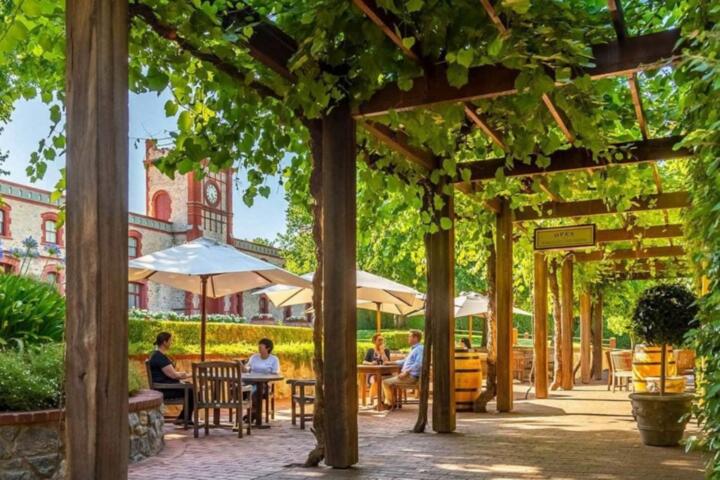
High-end vineyard stays are no longer just about proximity to grapes; they are about "agricultural luxury"—a concept where the biological cycle of the vine dictates the guest experience. In the Barossa, this often manifests as stone-walled cottages dating back to the 1850s, while the Hunter Valley leans into contemporary glass-fronted pavilions that frame the Broken Back Range. A true luxury stay in these regions provides "insider access," such as private barrel tastings or helicopter transfers directly to the vines.
In 2024, data from Tourism Australia indicated a 15% increase in "luxury niche" spending within regional South Australia, driven specifically by travelers seeking isolation combined with high-thread-count amenities. For example, staying at a property like The Louise in the Barossa isn't just about a bed; it’s about a coordinated itinerary where the guest is greeted by the winemaker of a private label not available to the public. These experiences are built on the "1% philosophy"—where every detail, from the Riedel glassware in the room to the soil pH discussions at breakfast, is intentional.
Vineyard Tourism Pitfalls
Many travelers fall into the "tourist corridor" trap, booking high-priced accommodation that lacks authentic connection to the land. A common mistake is selecting a large-scale resort that happens to be near a vineyard, rather than an estate-integrated lodge. This results in a "sanitized" experience where the guest feels disconnected from the very viticulture they came to experience. Without direct access to the viticulturists or private estate blocks, you are simply paying a premium for a rural view without the intellectual depth of a true wine retreat.
The consequence is a generic holiday that could be anywhere in the world. Real-world situations often involve guests booking "luxury" suites in the Hunter Valley only to find themselves surrounded by wedding parties or noisy corporate retreats. To avoid this, one must look for "exclusive-use" or "adults-only" designations that prioritize the serenity of the vineyard over high-volume occupancy. In the Barossa, the risk is staying in an over-restored heritage site that sacrifices modern climate control for historical accuracy—a trade-off few luxury travelers actually want during a 40°C Australian summer.
Strategic Selections
The Architectural Mastery of The Louise (Barossa)
The Louise is the benchmark for modern Barossa luxury, recently integrated into the Baillie Lodges portfolio. What sets it apart is the "Kitchen Garden" philosophy, where the Appellation restaurant sources 85% of its ingredients within a 30-kilometer radius. For the guest, this means the Marananga Shiraz you drink in the evening was grown in the soil you walked on that morning. This isn't just marketing; it’s a biological synergy that enhances the flavor profile of both food and wine.
Heritage Reimagined at Kingsford The Barossa
Originally built in 1856, Kingsford is a sprawling 225-acre estate that offers the "Keg Room" experience—a multi-million dollar expansion that includes a subterranean cellar. This property works because it offers total seclusion; with only a handful of suites, the staff-to-guest ratio is nearly 1:1. It’s a masterclass in using historical architecture to house ultra-modern amenities like the "Bush Bath," an outdoor soaking tub that overlooks the North Para River, blending raw nature with luxury.
Contemporary Isolation at Spicers Vineyards Estate (Hunter Valley)
In the Hunter Valley, Spicers Vineyards Estate excels by limiting its footprint to just 12 suites nestled among eight acres of Chardonnay vines. The strategy here is "controlled intimacy." Their onsite restaurant, Botanica, uses a "soil-to-plate" approach that utilizes the Hunter’s unique humidity to grow micro-herbs that wouldn't survive in the drier Barossa. For the guest, this translates to a lighter, more aromatic culinary experience that mirrors the region's famous Sémillon.
Minimalist Luxury at Tower Lodge (Hunter Valley)
Tower Lodge represents the "Spanish Mission" architectural influence rare in the Hunter. After a significant 2022 refurbishment, it has moved toward a model of "bespoke inclusivity." Every stay includes curated masterclasses. Unlike generic tastings, these sessions dive into the chemistry of aging Sémillon, explaining why the Hunter Valley produces wines that can cellar for 20 years. This educational layer transforms a stay from a passive holiday into an intellectual asset.
Sustainable Sophistication at Mount Lofty House
While technically on the edge of the Barossa/Adelaide Hills transition, Mount Lofty House (and its ultra-luxe wing, Sequoia Lodge) provides a blueprint for the future of vineyard stays. They utilize deep-well water systems and solar arrays hidden from view. The result is a carbon-conscious stay that doesn't compromise on the 14-course degustation menu. It caters to the "conscious luxury" traveler who demands that their $1,500-a-night suite doesn't come at the cost of the environment.
Private Estate Living: Cambourne Boutique Accommodation
For those who find hotels too restrictive, Cambourne offers a luxury cottage set on 25 acres of premium Shiraz vineyard. This is the "Private Equity" of wine stays—you own the view for the duration of your stay. The service is invisible but omnipresent; the fridge is stocked with local artisanal cheeses from the Barossa Valley Cheese Company and charcuterie from Linke’s Central Meat Store before you arrive. It represents the shift toward "residential luxury" in the wine space.
Oenitourism Case Studies
Case Study 1: The Corporate Transformation
A boutique investment firm required a retreat for 10 partners that combined privacy with high-level networking. They chose Kingsford The Barossa. By utilizing the private vault for a 1990s vertical tasting of Penfolds Grange, the estate provided a cultural anchor for the business discussions. Result: A 40% increase in "retreat satisfaction" scores compared to their previous metropolitan hotel stay, proving that terroir impacts corporate clarity.
Case Study 2: The International Connoisseur
A European collector wanted to experience the "Old Vine" history of Australia. They stayed at The Louise and were granted access to the Henschke Hill of Grace vineyard (normally closed to the public). By facilitating this rare access, the stay provided a "bucket list" ROI that a standard luxury hotel simply cannot offer. The guest spent 300% more on wine shipping than on the accommodation itself, highlighting the stay as a gateway to high-value acquisitions.
Comparative Analysis
| Feature | Barossa Valley Luxury | Hunter Valley Luxury |
|---|---|---|
| Primary Wine Profile | Full-bodied Shiraz, Grenache, Cabernet | Elegant Sémillon, Medium Shiraz, Chardonnay |
| Architectural Style | Germanic stone, 19th-century heritage | Modernist glass, timber, Mediterranean influence |
| Climate Experience | Hot, dry summers; crisp, clear winters | Humid, subtropical; misty autumn mornings |
| Key Service Differentiator | "Old Vine" education and cellar access | Gourmet food pairing and proximity to Sydney |
| Typical Price Range | $800 - $2,500 per night | $600 - $1,800 per night |
Avoiding Travel Mistakes
The most frequent error is "over-scheduling." A high-end vineyard stay is designed for the "slow travel" movement. If you book four tastings and two restaurant visits in one day, you miss the atmospheric value of the estate you are paying for. Instead, limit yourself to one major activity and allow the estate’s "curated stillness" to be the primary amenity.
Another mistake is ignoring the seasonality of the vines. If you want to see the "green sea" of the Hunter, visit in November. If you want the dramatic, gnarled skeletons of 100-year-old Barossa vines, visit in July. Booking during harvest (February/March) is exciting but be prepared for a working environment—it’s loud, busy, and the winemakers will have very little time for private chats. To avoid disappointment, align your expectations with the agricultural calendar.
FAQ
What is the best time of year for a luxury stay in the Barossa?
Autumn (March to May) is arguably the best. The harvest is winding down, the vine leaves turn vibrant gold and red, and the temperature is perfect for outdoor dining without the searing heat of mid-summer.
Are these vineyard stays suitable for children?
Most top-tier vineyard stays like Sequoia or The Louise are designed as "adults-only" retreats. For families, look for private estate houses like Cambourne, which offer the same luxury without the age restrictions of a boutique lodge.
How do I arrange transport between vineyards?
High-end properties usually offer private chauffeur services or can arrange "heli-tours." Drinking and driving is strictly enforced in Australia, so utilizing the estate's private transfer service is both a safety and luxury necessity.
Do I need to book tastings in advance if I am staying on-site?
Yes. While you are a guest, the cellar door operations are often separate. Always have the lodge concierge book your "VIP" or "Private Cellar" experiences at least four weeks in advance, especially for heritage brands like Seppeltsfield or Tyrrell’s.
What should I pack for a Hunter Valley retreat?
The Hunter can be humid. Pack "smart casual" breathable fabrics for the day, but always bring a jacket for the evening. Even in summer, the temperature can drop significantly once the sun goes down over the ranges.
Author’s Insight
Having spent over a decade traversing Australia's wine regions, I’ve learned that the true value of a luxury stay isn't found in the thread count of the sheets, but in the silence of the vineyard at 6:00 AM. In the Barossa, I always recommend waking up early to see the mist sitting over the valley floor; it gives you a physical understanding of why the Shiraz here is so concentrated. My practical advice: always talk to the head gardener. They often know more about the upcoming vintage and the "hidden" spots on the estate than the front-of-house staff. Don't just drink the wine—understand the dirt it came from.
Summary
Choosing between the Barossa and Hunter Valleys for a high-end stay depends on whether you seek the deep, historical gravitas of South Australia or the refined, modern elegance of New South Wales. For the ultimate experience, prioritize properties that offer "terroir-integration"—where the accommodation, food, and wine are a singular expression of the land. Avoid the tourist traps by seeking out low-volume, high-service estates. Your next move should be to align your travel dates with the vine cycle and book your private tastings at least a month ahead to ensure exclusive access to the rarest pours.