Desert Safari Basics
A desert safari is a guided outing in arid terrain that typically combines transport from a city, time outdoors, and a set of activities arranged around sunset or nightfall. Most itineraries follow a predictable flow: pickup, a drive into desert areas, one or more activity blocks, then a meal and evening entertainment if the tour runs overnight or into the night. The exact mix changes by region and operator, and the “desert” portion can range from short scenic drives to longer dune sessions.
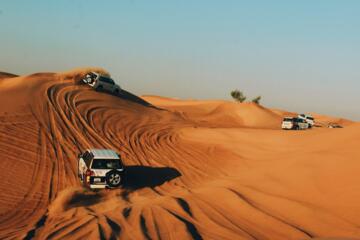
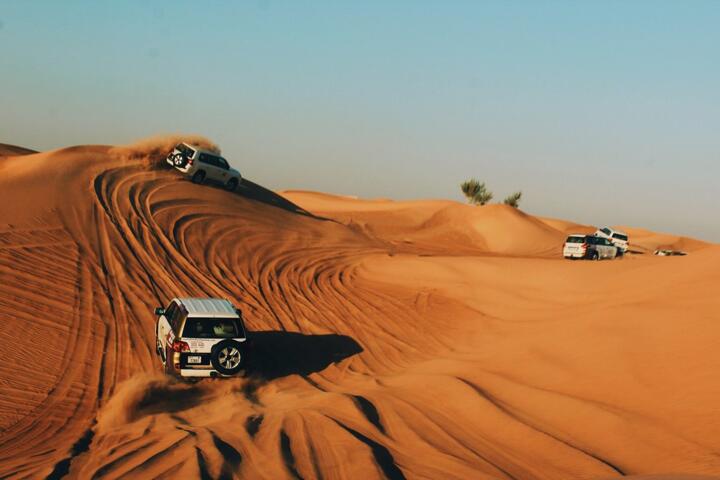
Common inclusions start with hotel or meeting-point pickup, often in a shared vehicle. You may receive a brief safety talk covering seatbelts, staying hydrated, and how to behave around animals or vehicles. The drive often includes a stop for photos at a viewpoint, followed by dune driving where the vehicle climbs and descends sand. That sand driving can be bumpy, and motion sickness is a real factor for some travelers.
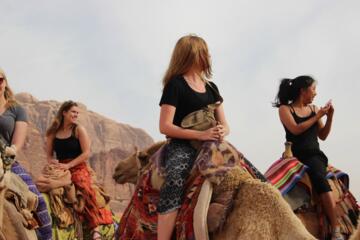
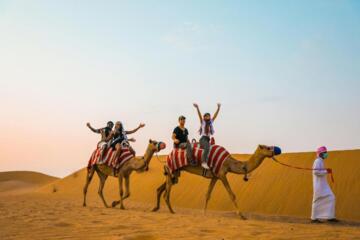
Activity blocks usually fall into a few categories: camel riding, sandboarding, quad biking, or a guided walk in a designated area. Camel rides are often short and staged, with handlers controlling the pace. Quad biking, where offered, typically requires a basic skill check and may involve a supervised route rather than free roaming. Evening camps, when included, commonly feature a buffet-style meal, tea or soft drinks, and cultural performances such as drumming or dance.
Some tours include a “camp” that is more like a seating area with tents and lighting than a wilderness camp. Others include a more structured program with a fire show, henna application, and a designated area for stargazing. If you see terms like “VIP” or “private,” the difference is usually group size and vehicle type, not a fundamentally different set of activities.
What People Get Wrong
Travelers often assume the itinerary is fixed, then discover that the schedule shifts with weather, daylight, and vehicle availability. In hot months, operators may shorten outdoor activity windows or move dune driving earlier to reduce heat exposure. In windy conditions, some activities get delayed or swapped, and the “entertainment” portion can run longer to fill time.
Another common misunderstanding involves health and comfort planning. Desert tours frequently involve long periods outdoors with limited shade, even when a camp is present. Dehydration risk rises when travelers drink little water because they feel “fine” during the drive, then feel worse after the sun peaks. Sunburn can happen quickly on exposed skin, and wind can make it harder to notice how strong the sun feels.
People also underestimate motion and vibration exposure. Dune driving involves repeated acceleration and braking on uneven sand, which can trigger nausea or headaches. If you have a history of motion sickness, you may need to plan medication timing with a clinician’s advice, since many over-the-counter options have age limits and side effects.
Supporting technologies and dependencies matter for what you actually experience. The vehicle type (4x4 model, suspension setup, and seating layout) affects ride comfort. The tour’s route depends on local access rules for desert areas, which can change seasonally. Lighting and power at camps depend on generators, and that influences how long activities can run after dark.
Finally, “camel riding” and “quad biking” are not interchangeable. Camel rides involve animal handling and a different set of safety behaviors, while quad biking involves speed control and protective gear. If a tour lists both, the time slots may be short, and you may need to choose one if you want more rest between activities.
How To Evaluate A Tour
Check The Time Budget
Ask for the start and end times, then map them to sun exposure. A typical evening safari might run roughly 3–6 hours, while overnight formats can extend to 8–12 hours. If the itinerary includes dune driving plus camel riding, expect outdoor time to cluster around late afternoon and early evening, when temperatures still feel high. If you see “sunset” in the description, confirm whether the dune session happens before or after sunset, since that changes heat load.
When reviewing pickup details, note the pickup window and whether the vehicle is shared. Shared pickups can add 30–90 minutes of waiting depending on traffic and the number of stops. That waiting time often happens in the sun, and it rarely appears in the activity list.
As a small aside, I’ve seen itineraries labeled “6 PM start” but with a pickup window of 4:30–5:30 PM; the difference matters for hydration planning. If you want a calmer experience, look for tours that specify a narrow pickup window and a direct route into the desert.
Match Activities To Comfort
List each activity and its likely duration. Camel rides are commonly short segments, often 5–15 minutes, and the animal may be walked rather than ridden at speed. Sandboarding, if offered, usually includes a brief instruction and a limited number of runs. Quad biking often runs in a supervised loop, and the time can be 10–30 minutes depending on group size and dust conditions.
If you have asthma, allergies, or sensitivity to dust, ask whether the route avoids the most dusty tracks and whether there’s a mask option. Dust exposure can trigger symptoms even for people who tolerate outdoor air in cities. For motion sickness, ask whether the vehicle drives in a way that reduces abrupt turns; the operator may not be able to change driving style, but they can sometimes adjust seating assignments.
For health planning, pack water and sun protection even if the tour includes drinks. Many camps offer tea or soft drinks, but water quantities vary. A practical target is to bring enough water for the entire pickup-to-drop-off window, then drink steadily rather than waiting until you feel thirsty.
Understand Meals And Water
Meal inclusion often means a buffet or set menu at the camp. Ask what the meal includes (for example, rice, grilled items, salads, and desserts) and whether vegetarian options exist. If the tour offers “BBQ dinner,” confirm whether it’s a buffet with multiple items or a single serving. Dietary restrictions should be discussed in advance, since last-minute substitutions can be limited.
Water policies vary. Some tours include bottled water in the vehicle, while others include tea and soft drinks at the camp. If you see “unlimited drinks,” confirm whether that includes water or only non-water beverages. In a dry environment, relying on sweet drinks can worsen thirst later.
As an incidental detail, I once checked a tour FAQ dated 2024-03 and found that “drinks included” meant tea and soda at the camp, not water during the drive. That mismatch is common enough that you should verify in writing.
Confirm Safety And Gear
Ask what safety gear is used for quad biking and whether helmets are provided. For dune driving, confirm seatbelt use and whether passengers sit in designated positions. For camel riding, ask about handler-to-guest ratios and whether children ride with an adult.
Sun and dust protection should be treated as part of the tour, not an afterthought. A scarf or buff helps reduce sand exposure to eyes and nose, and closed-toe shoes reduce the risk of sand irritation. If the camp provides blankets, ask whether they’re for warmth at night or just for seating comfort; desert nights can cool quickly.
If you have a medical condition, ask whether the operator has a first-aid kit and how they handle emergencies. You do not need a dramatic scenario; you need practical details like the location of the nearest medical facility and whether the guide carries a phone with local coverage. Many operators rely on mobile networks, and signal strength can vary by area.
Case Examples From Realistic Scenarios
Scenario 1: A traveler books an evening safari described as “dune drive, camel ride, dinner.” The operator confirms a 5:00 PM pickup window, dune driving before sunset, and camel riding after the viewpoint stop. The traveler brings water and a sun hat, then chooses to skip sandboarding because the camel ride slot runs shorter than expected. The dinner is a buffet with vegetarian options, and the traveler avoids relying on tea alone for hydration.
Scenario 2: A family with two teenagers chooses a quad-inclusive safari. The operator states that quad time depends on dust levels and group size, and helmets are mandatory. During a windy afternoon, the quad route shortens, and the guide shifts time toward a camp activity. The family uses dust masks and keeps a small water bottle for the waiting period, since the pickup-to-activity gap stretches due to multiple hotel stops.
Safari Inclusions Checklist
| Item To Confirm | What You Might See | What To Ask | Why It Affects Health |
|---|---|---|---|
| Pickup Window | Shared pickup, 30–90 min wait | Exact pickup time range and meeting point | Sun exposure and hydration timing |
| Dune Driving | Bumpy climbs/descents | Seatbelt use and ride duration | Motion sickness and headache risk |
| Animal Or Quad | Camel ride or quad loop | Helmet/handler details and time limits | Dust exposure and fall risk |
| Meal And Drinks | Buffet at camp, tea/soft drinks | Water availability and dietary options | Dehydration and restriction handling |
| Night Conditions | Cooler temperatures after dark | Blankets provided and when | Chill risk and comfort |
If you want a quick decision support approach, write down your non-negotiables: water timing, whether you want camel or quad, and how much outdoor time you can tolerate. Then compare two itineraries using the same criteria, not just the activity list.
Common Mistakes To Avoid
Booking based only on the headline activities can lead to surprises. A tour may list “camel ride” but schedule it after a long wait, or it may swap activities due to weather. Ask for the order of events, not just the menu of experiences.
Skipping sun and dust protection is a frequent problem. Even when the camp has tents, the drive and viewpoint stops can expose you for long stretches. Sunglasses, a hat, and a scarf for wind-blown sand reduce eye irritation, and they also help you notice when you’re getting too much sun.
Relying on camp drinks for hydration often backfires. Tea and soda can feel refreshing, but they do not replace water intake during heat exposure. If the tour does not specify water, bring your own and drink steadily.
Assuming “overnight” means a comfortable bed can also cause disappointment. Some camps use simple bedding on floors, and the temperature drop after dark can affect comfort. If you have back pain or sensitivity to cold, ask what sleeping arrangements look like and whether there’s a mattress layer.
Finally, ignoring medical needs can turn a normal trip into a stressful one. If you carry inhalers or have a condition affected by heat, discuss it with the operator before travel. A guide may not change the route, but they can often advise on where shade exists and how long you’ll be outdoors.
FAQ
What Is Included In Pickup?
Most desert safaris include pickup from a hotel or a listed meeting point, usually in a shared vehicle. Confirm the pickup window, number of stops, and whether water is available during the drive.
How Long Is The Dune Driving?
Dune driving time varies by operator and conditions, often ranging from short sessions to longer blocks. Ask for the approximate duration and whether seatbelts are used throughout.
Do Desert Safaris Include Camel Riding?
Many do, but the ride duration is usually limited and handled by staff. Ask whether the ride is a short walk segment and whether children ride with an adult.
What Should I Pack For Health?
Bring water, sun protection (hat and sunscreen), eye protection, and a scarf or buff for dust. Closed-toe shoes reduce sand irritation, and a light layer helps if the night cools.
Are Meals And Dietary Options Included?
Evening camps often include a buffet or set meal, plus tea or soft drinks. Ask what vegetarian or allergy-friendly options exist and whether water is included or sold separately.
Author's Insight
Desert safari itineraries combine transport, outdoor exposure, and staged activities, so the “inclusions” list should be treated like a schedule rather than a promise. The health-relevant parts are the time outdoors, the ride conditions, dust exposure, and how hydration and meals are handled. When an operator provides event order, drink details, and safety gear information, travelers can plan more reliably. If details arrive late or stay vague, that pattern often correlates with last-minute changes to activities, which affects comfort and risk management.
For decision support, compare two tours using the same checklist: pickup window, outdoor time blocks, which activities run, and what drinks and meals are actually included. Then pack for the worst-case heat and dust scenario, not the ideal one.
Key Takeaways
- Desert safari inclusions usually follow a sequence: pickup, desert drive, one or more activities, then dinner or camp time.
- Health planning depends on outdoor time, dust and sun exposure, and ride comfort, not just the activity names.
- Confirm water availability, meal details, and safety gear in writing before booking.
- Use a checklist to compare tours by schedule and conditions, since weather and access rules can change the plan.