Swiss Alpine Sanctuaries
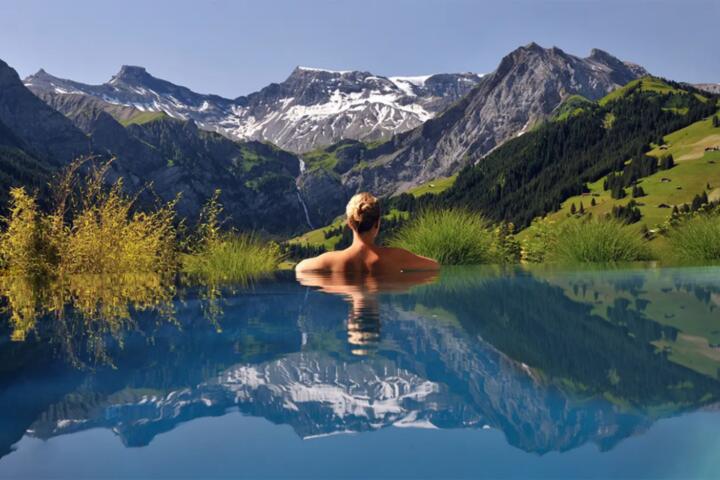
The Swiss Alps have transitioned from 19th-century tuberculosis clinics to the epicenter of modern regenerative medicine. Today, "wellness" in Switzerland is defined by pro-aging protocols and cellular therapy rather than just saunas and massages. Locations like St. Moritz and Bad Ragaz leverage their specific microclimates and mineral-rich thermal waters to accelerate recovery and metabolic health.
In practice, this looks like a guest at the Grand Resort Bad Ragaz utilizing the 36.5°C thermal water—sourced from the Tamina Gorge—not just for comfort, but for documented musculoskeletal rehabilitation. Statistics show that the Swiss health tourism sector attracts over 35,000 international patients annually, with a significant portion opting for "Medical Wellness" which bridges the gap between a luxury hotel and a specialized hospital.
A real-world example of this evolution is the integration of DNA testing and epigenetic profiling. Resorts are no longer guessing what your body needs; they are using blood biomarkers to tailor nutrition and exercise. At altitudes of 1,800 meters or higher, the natural reduction in oxygen pressure triggers erythropoiesis, increasing red blood cell count—a natural performance enhancer for the cardiovascular system.
High-End Wellness Failures
The most frequent mistake affluent travelers make is selecting a retreat based solely on aesthetics or "Instagrammability." Without a structured clinical foundation, a week in the Alps is merely an expensive vacation that fails to address chronic burnout or metabolic dysfunction. Relying on generic spa menus often leads to "wellness fatigue," where back-to-back treatments leave the guest drained rather than recharged.
Furthermore, many fail to account for altitude acclimatization. Jumping straight into intense hiking or HIIT sessions at a high-altitude resort like the The Chedi Andermatt without a 48-hour adjustment period can spike cortisol levels. Instead of lowering stress, the body enters a fight-or-flight state, negating the anti-inflammatory benefits of the alpine air and pure water.
Consequences of these errors include a rapid return to "baseline" stress levels within 72 hours of returning home. A poorly planned retreat lacks the post-stay integration necessary to turn a temporary health spike into a permanent lifestyle shift. Real-world situations often see executives checking emails in the sauna, a practice that prevents the parasympathetic nervous system from ever fully engaging.
Bio-Optimization Tactics
1. Prioritize Clinical Diagnostics and Biomarker Analysis
Seek out institutions that offer full-body check-ups upon arrival. Clinique La Prairie in Montreux is the gold standard here, offering their "Revitalisation" program which focuses on immune system modulation. By starting with a blood panel, the medical team can identify deficiencies in Vitamin D3, Magnesium, or imbalances in the Omega-3 to Omega-6 ratio.
This works because data-driven wellness removes the guesswork. When a nutritionist knows your specific insulin sensitivity, they can design a "farm-to-table" menu that stabilizes your blood glucose. On-site laboratories allow for immediate adjustments to your supplement regimen, often resulting in a 15-20% increase in reported energy levels by day five.
2. Utilize Cryotherapy and Thermal Contrast Circuits
The Swiss are masters of hydrotherapy, a tradition popularized by Sebastian Kneipp. High-end retreats now feature Cryo-chambers reaching -110°C. Using these for 3 minutes triggers a massive release of endorphins and reduces systemic inflammation. Combine this with traditional Finnish saunas and ice plunges in Lake St. Moritz for optimal results.
In practice, thermal contrast improves "vascular gymnastics," strengthening the walls of the blood vessels. This is particularly effective for those suffering from poor circulation or chronic joint pain. Results are often immediate: reduced edema (swelling) and a significant improvement in sleep quality as measured by wearables like the Oura Ring or Whoop.
3. Implement Forest Bathing and Altitude Conditioning
Alpine "Shinrin-yoku" (forest bathing) in the Engadin valley is not just a walk; it’s a therapy. The phytoncides released by Swiss stone pines (Arven) have been scientifically proven to lower heart rates and increase the activity of "natural killer" cells that fight tumors and viruses. Spend at least 90 minutes daily in the pine forests surrounding Badrutt’s Palace.
This works through the olfactory system and skin absorption of volatile organic compounds. For physical conditioning, use the Hypoxic Training rooms available in elite fitness centers in Zermatt. Training in a low-oxygen environment for 30 minutes can burn up to 25% more calories than the same workout at sea level while boosting mitochondrial efficiency.
4. Focus on Sleep Architecture and Circadian Alignment
The best Swiss retreats offer "Sleep Suites" designed by somnologists. These rooms feature electro-smog shielding, customizable mattress firmness (like the Hästens beds found in top-tier suites), and automated lighting that mimics the natural progression of the sun. This ensures your melatonin production is not interrupted by blue light or high-frequency noise.
Effective sleep hygiene in the Alps involves "Cooling Sleep" protocols, where room temperatures are strictly maintained at 18°C. This promotes deep REM sleep. Guests who follow a structured sleep protocol often report a 30% reduction in sleep latency (the time it takes to fall asleep) and a marked increase in cognitive processing speed the following morning.
5. Integrate Mental Resilience and Sophrology
Modern Swiss wellness incorporates Sophrology—a dynamic relaxation technique popular in French-speaking cantons like Vaud and Geneva. It combines breathing, visualization, and gentle movement to align the mind and body. This is essential for high-net-worth individuals who need to manage high-stakes decision-making stress.
Practicing these sessions overlooking the Eiger or Jungfrau peaks provides a "perspective shift." The scale of the mountains helps reduce the perceived size of professional problems. Many retreats now offer Neurofeedback sessions, where sensors track your brain waves in real-time, teaching you how to enter a "flow state" or a deep meditative state on command.
Clinical Success Stories
Case Study 1: The Burnout Recovery
A 45-year-old CEO of a London-based fintech firm arrived at a luxury medical retreat in Lucerne suffering from stage 2 adrenal fatigue and chronic insomnia. The intervention included a 10-day "Better Sleep" program involving cranial electrotherapy stimulation (CES) and a strictly alkaline diet. By the end of the stay, her cortisol awakening response (CAR) had normalized, and her deep sleep duration increased from 40 minutes to 110 minutes per night.
Case Study 2: Post-Surgical Rehabilitation
A professional athlete utilized the sports medicine facilities at Bürgenstock Resort following knee surgery. By integrating AlterG Anti-Gravity Treadmills with daily sessions in mineral-rich thermal pools and localized cryotherapy, the recovery timeline was reduced by three weeks compared to standard outpatient physical therapy. The controlled environment allowed for high-intensity rehabilitation without the risk of secondary inflammation.
Alpine Wellness Approaches
| Feature | Medical-Clinical Focus | Holistic-Boutique Focus | Alpine-Active Focus |
|---|---|---|---|
| Primary Goal | Longevity & Disease Prevention | Stress Reduction & Spiritual Balance | Physical Performance & Recovery |
| Key Tech/Tools | Stem Cell Therapy, Blood Panels | Ayurveda, Yoga, Sound Healing | Altitude Rooms, Cryotherapy |
| Top Location | Montreux / Bad Ragaz | Verbier / Gstaad | Zermatt / St. Moritz |
| Ideal Duration | 7–14 Days | 4–7 Days | 5–10 Days |
| Result Metric | Biological Age Reduction | Cortisol & Anxiety Levels | VO2 Max & Muscle Recovery |
Avoiding Strategic Pitfalls
One of the most significant oversights is the "buffet trap." Even at five-star retreats, guests often over-consume healthy-sounding foods that may not align with their metabolic type. Always consult with the on-site nutritionist to create a bespoke meal plan. If the retreat doesn't offer a personalized menu based on your labs, it is not a true medical wellness experience.
Another error is the lack of a "Digital Detox." If you are checking your smartphone between treatments, your sympathetic nervous system remains dominant. To avoid this, use the Safe Deposit Box for your devices for at least 4 hours a day. Authentic Swiss retreats often have "Black Zones" where technology is strictly prohibited to protect the collective energy and privacy of the guests.
Finally, don't ignore the importance of transfer stress. Spending six hours in a car or train after a flight to reach a remote mountain village can negate your first day of relaxation. Utilize private helicopter transfers or the Swiss Travel System's first-class luggage forwarding to ensure your journey to the resort is as seamless as the stay itself.
FAQ
What is the best time of year for a Swiss wellness retreat?
While winter offers the charm of snow-covered peaks and "cozy" therapy, September and October are scientifically superior. The air is at its clearest, the "Föhn" wind provides mild temperatures, and the crowds are gone, allowing for deeper psychological stillness and better outdoor activity conditions.
Are these retreats suitable for solo travelers?
Absolutely. In fact, solo travel is recommended for those seeking profound mental resets. Most Swiss institutions like Park Hotel Vitznau cater to individuals, providing private dining options and personalized schedules that focus on internal reflection rather than social obligation.
How much should I budget for a world-class experience?
For a true five-star medical wellness program, expect to invest between $8,000 and $25,000 per week. This typically includes luxury accommodation, all medical consultations, diagnostics, specialized nutrition, and several daily treatments. Passive "spa stays" are cheaper but lack the clinical ROI.
Can these programs help with long-term weight management?
Yes, but the focus is on metabolic flexibility rather than just caloric restriction. Programs like those at Chenot Palace Weggis use the "Chenot Method" to detoxify the body and reset the metabolism, which leads to sustainable weight loss rather than a temporary "yo-yo" effect.
Do I need to be in good shape to attend an alpine retreat?
No. These programs are designed for all fitness levels. The medical teams specialize in creating low-impact movement protocols for those with mobility issues or high levels of systemic fatigue, ensuring that everyone can benefit from the altitude and air quality.
Author’s Insight
Having visited dozens of these facilities over the last decade, I’ve realized that the real "Swiss Magic" isn't in the golden faucets or the Michelin stars. It’s in the uncompromising silence and the precision of the scheduling. My best advice: choose a retreat that forces you to disconnect. When I stayed in the Engadin, the most transformative moment wasn't a $500 facial; it was a guided 5:00 AM hike in total silence. The Swiss understand that true luxury is the space to hear your own thoughts again. If you're serious about change, look for a "Medical Wellness" label—it ensures the staff are practitioners, not just service providers.
Summary
Selecting a five-star wellness retreat in the Swiss Alps is an investment in your biological capital. By moving away from generic pampering and toward clinical diagnostics, altitude conditioning, and structured sleep hygiene, you ensure a measurable return on health. Prioritize institutions that offer bio-individual protocols and integrate medical expertise with the natural healing power of the alpine environment. To maximize your results, commit to a digital detox and a 48-hour acclimatization period. Your journey to the Alps should be the catalyst for a lifelong strategy of high-performance longevity.