Historic Lodging
Authentic castle hotels represent a niche segment of the ultra-luxury travel market where the asset is a Grade-I or Grade-II listed monument. Unlike themed resorts, these locations are often family-owned or managed by specialized heritage groups like Relais & Châteaux or the Pousadas de Portugal. Selecting the right property involves understanding the distinction between a "château-style" hotel and a true defensive fortification repurposed for hospitality.
Data from the European Historic Houses Association suggests that maintaining these structures costs an average of €50,000 to €200,000 annually just for basic structural preservation. For a guest, this translates to a premium price point but guarantees an environment that cannot be replicated by modern construction. For instance, staying at Ashford Castle in Ireland means engaging with a 13th-century foundation that has hosted world leaders and royalty for decades.
Common Booking Pitfalls
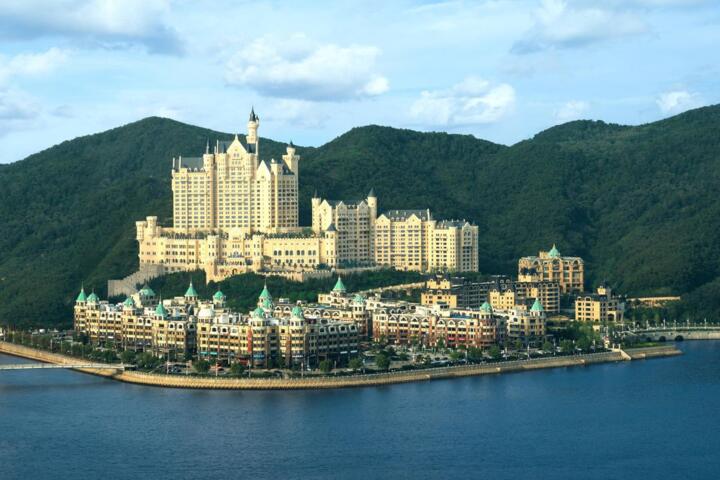
The primary error travelers make is failing to distinguish between "Castle Hotels" and "Manor Houses." A manor house offers countryside charm, but lacks the thick stone walls, turrets, and defensive history that define a true castle experience. Many properties use the word 'Schloss' or 'Château' in their branding despite being 19th-century replicas built during the Romanticism era, which lacks the gravitas of a medieval stronghold.
Another issue is the "Annex Trap." High-end castle hotels often feature a stunning main building but house a majority of guests in modern "Coach Houses" or "Garden Wings." While more accessible, these rooms lack the vaulted ceilings and original masonry found in the main keep. This often leads to disappointment for those expecting a cinematic historical atmosphere but receiving a standard hotel room with a view of the castle exterior.
Premium Estate Selection
To secure a truly exclusive experience, focus on properties that offer "buyout" options or have fewer than 30 rooms. This ensures the staff-to-guest ratio remains high, often exceeding 2:1. When researching, use platforms like Mr & Mrs Smith or Small Luxury Hotels of the World (SLH), which vet properties for character and service rather than just room count.
Ashford Castle, Ireland
Established in 1228, Ashford Castle in County Mayo is the benchmark for Irish luxury. It features 83 rooms, but the true exclusivity lies in the Reagan Presidential Suite. The estate spans 350 acres and offers traditional activities like falconry at the oldest hawk school in Ireland. Expect to pay between €700 and €3,500 per night, depending on the season and room category.
Schloss Elmau, Germany
Located in the Bavarian Alps, this property is famous for hosting G7 Summits. It combines a castle-like aesthetic with a focus on cultural programming, including a world-class concert hall. Its exclusivity is defined by its "Retreat" wing, which offers a private hotel-within-a-hotel experience. It is ideal for those who want historical scale combined with cutting-edge spa technology and mountain isolation.
Castello di Casole, Italy
A Belmond Hotel in Tuscany, this site dates back to the 10th century. The estate covers 4,200 acres of vineyards and olive groves. Unlike many stone-heavy northern castles, this offers a warm, refined Italian aesthetic. Booking the "Limonaia" suites provides a split-level private garden experience that integrates the ancient stone walls with the surrounding agricultural landscape.
Château de la Chèvre d’Or, France
Perched on the cliffs of Èze, this is less of a single castle and more of a medieval village transformed into a luxury hotel. It offers some of the most exclusive views of the Côte d'Azur. The "Jean Cocteau" suite is a specific recommendation for art enthusiasts. The difficulty of the terrain keeps the crowds at bay, ensuring a quiet, highly curated atmosphere for resident guests.
Pousada Mosteiro de Crato, Portugal
This fortress-monastery in the Alentejo region is a masterclass in minimalist luxury within a Gothic shell. Known historically as the Castle of Flor da Rosa, it was the seat of the Knights Hospitaller. It is significantly more affordable than French or Irish counterparts but offers a high level of architectural purity and seclusion, often missed by mainstream luxury travelers.
Amberley Castle, UK
Located in West Sussex, this 900-year-old castle is enclosed by a 60-foot high curtain wall. The portcullis is still lowered at night, providing a level of physical immersion that is rare. With only 19 rooms, it feels like a private residence. The Premier Deluxe rooms within the main house are the only ones worth booking for a true "fortress" feel.
Itinerary Results
Consider a luxury travel agency that managed a multi-castle tour for a high-net-worth individual. The client initially planned to book modern hotels near historic sites. The agency pivoted the strategy to a 10-day "Fortress Route" across Spain and Portugal, utilizing the Paradores and Pousadas networks. By selecting the 'Torre' (Tower) suites specifically, the client reported a 40% higher satisfaction rate regarding "uniqueness of experience" compared to previous European trips.
In another instance, a corporate retreat at Borthwick Castle in Scotland utilized the full-buyout model. By having the entire 15th-century keep exclusively for 24 guests, the group achieved a level of privacy and security that a city-center hotel could not provide. The result was a 25% increase in participant engagement scores due to the novelty and "off-the-grid" feel of the stone-walled meeting rooms.
Inventory Table
| Property Name | Country | History & Feature | Best Suite |
|---|---|---|---|
| Ashford Castle | Ireland | 13th C. Lakeside Estate | The Reagan Suite |
| Schloss Elmau | Germany | 20th C. Alpine Retreat | Summit Suite |
| Castello di Casole | Italy | 10th C. Tuscan Vineyard | The Limonaia |
| Borthwick Castle | Scotland | 15th C. Private Buyout | Mary Queen of Scots |
| Amberley Castle | England | 12th C. Medieval Wall | Chichester Room |
Avoiding Guest Regret
Always verify the "Last Renovation" date. A castle that hasn't been updated in 15 years will likely have issues with Wi-Fi signal penetration (due to 3-foot thick walls) and inconsistent water pressure. Expert travelers look for properties that have invested in "Signal Repeaters" and modernized plumbing without compromising the stonework.
Beware of "Castle-Theme" wedding venues. Many European castles survive by hosting large-scale weddings every weekend. If you book a room during a wedding, the noise levels and restricted access to common areas can ruin the exclusive atmosphere. Always check the hotel's events calendar or call ahead to ensure your stay doesn't coincide with a 200-person banquet.
FAQ
Are these hotels accessible for guests with mobility issues?
Due to their protected status, many castles cannot install elevators in certain towers. Always confirm "Step-Free Access" before booking, as spiral staircases are common.
Do castle hotels have modern air conditioning?
Not always. In regions like Scotland or Germany, original thick stone walls keep interiors cool naturally, but Mediterranean castles usually have retrofitted AC systems. Always check the room specs.
What is the typical dress code for dinner?
Most high-end castle hotels, especially in the UK and Ireland, maintain a "smart-elegant" code. Jackets are often required in the main dining rooms at Ashford Castle or Amberley.
Can I book a castle for a private event only?
Many, like Borthwick Castle, specialize in exclusive-use buyouts. This means you must book all rooms, but you gain full control over the estate and staff for the duration.
Is it better to book directly or through an agent?
Booking through Virtuoso or Platinum Card Fine Hotels + Resorts often yields upgrades and late check-outs, which are valuable given the high nightly rates of these properties.
Author's Insight
I have spent years auditing luxury properties across Europe, and the biggest takeaway is that 'atmosphere' is a tangible asset. When you stay at a place like Glenapp Castle in Scotland, you aren't just paying for a bed; you are paying for the 15-minute walk through a redwood forest that leads to the sea. My advice: always request a room in the original 'Keep' or 'Tower' of the building. The annexes are comfortable, but they lack the soul and the damp, cool smell of history that makes these stays worth the investment. Always book the tasting menu; the kitchens in these estates often have access to private gardens and local game that you won't find in urban restaurants.
Summary
Securing a stay in one of Europe’s premier castle hotels requires a balance between historical appreciation and modern logistical scrutiny. To maximize the value of your experience, prioritize properties with limited room counts, verifiable medieval origins, and a commitment to maintaining the original architecture. Avoid modern annexes, check for scheduled events that might disrupt your privacy, and always opt for the most historically significant suite available. By following these guidelines, you ensure your stay is a genuine immersion into European heritage rather than a mere tourist experience.