How rail passes work
Rail passes bundle multiple train rides into one ticket at a fixed price. For example, Eurail Global Pass covers travel in 33 countries with flexible travel days within a month or longer periods like 3 months. You pay upfront and ride trains without buying each leg separately.
Passes suit different travelers. A 7-day Eurail pass costs about €335 for second class unlimited travel in multiple countries, whereas a Swiss Travel Pass starts at CHF 232 (roughly €218) for 3 days of travel only in Switzerland. Individual tickets, especially last minute, may exceed pass costs on many trips.
Over 12 million rail passes sold yearly show their popularity, yet few travelers understand actual savings versus point-to-point tickets. This article clarifies which passes save money, with examples and data.
Common misunderstandings
Buying a rail pass thinking it automatically cuts costs causes losses. Many underestimate train class differences, reservation fees, and hidden charges.
Some assume unlimited means always cheaper, but passes require active travel — idle days count as missed savings. Long-distance routes often need seat reservations costing extra, reducing pass value. Low-cost regional trains without reservations exist but slow travel.
Lumping multiple countries into a pass can raise prices above smartly booked local tickets, especially in countries with competitive fares like Spain or France. Having a pass may lure travelers into unplanned trips, raising expenses.
Also, booking last-minute or high-speed trains without planning often wastes the pass’s flexibility advantage. Most travelers purchase Eurail Global because they travel widely but only visit one or two countries extensively.
Real fixes: smart pass use
Match pass to itinerary
Choose a pass aligned with your travel zones. For example, if visiting only France and Italy for 7 days, the Eurail France-Italy pass at €200 is cheaper than the Global Pass. Confirm routes to check reservation costs are minimal or manageable.
Use regional or local railcards
National railcards, like the German BahnCard 25 or France’s Carte Avantage, offer 25% or more off single tickets and work best when traveling within that country. They cost less upfront (€50 to €70) and save on high-speed train journeys. Pairing these with selective point-to-point tickets beats broad passes for limited travel.
Leverage advance booking tools
Booking early cut-price train tickets on national sites like SNCF, Trenitalia, or Deutsche Bahn reduces fares dramatically, sometimes below pass breakeven levels. For instance, an average €50 ticket bought 3 months early can drop to €29 on certain Italian routes.
Control reservation fees
High-speed trains demand seat reservations not covered by passes: €10-€20 each. Use passes on slower, no-reservation trains whenever possible. Swiss Travel Pass holders avoid reservation fees inside Switzerland, which can save €15 per trip.
Pick consecutive travel days
Passes that require travel days to be consecutive, like Interrail continuous passes, demand efficient planning. Group trips tightly to maximize value rather than spreading travel thinly across many weeks, which inflates cost per trip.
Consider local transit extras
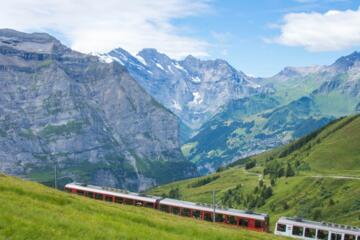
Some passes, e.g., Swiss Travel Pass, include free city transport and museum entry, adding indirect savings of €30–€50, depending on usage. These perks complement rail savings and reduce the need for additional tickets.
Use multi-trip tickets for narrow plans
When traveling intermittently in a country, combining multi-trip tickets (like German BahnCard paired with local trip bundles) yields savings without paying for unused travel days.
Combine passes with point trips
Buy a shorter rail pass and complement with individually booked early ticket legs for flexibility and lower total cost. For example, a 3-day Eurail Global pass paired with booking individual legs outside travel days works well.
Communicate with rail info desks
Station agents can confirm pass coverage on specific trains and advise on cheaper options. This, frankly, avoids nasty surprises during travel.
Study examples
A British couple took a Eurail Global Pass (1 month, 7 travel days) for their 3-country trip: Italy, France, and Austria. Prepass individual tickets totaled €580, but the pass cost €385 plus €60 reservation fees, saving €135 overall, after optimizing high-speed routes and regional trains.
A solo traveler crossing Switzerland by train purchased a Swiss Travel Pass 8-day at CHF 418 (€390) plus used local transit benefits. Without the pass, ticket costs totaled €470, demonstrating direct and indirect savings.
Rail pass differences
| Pass Type | Price Range | Main Coverage | Best For |
|---|---|---|---|
| Eurail Global | €200–€600 | 33 countries | Long multi-country trips |
| Swiss Travel Pass | CHF 232–CHF 418 | Switzerland | Extensive Swiss travel |
| National Railcards | €50–€90 | Single country | Regular local usage |
| Interrail Pass | €150–€450 | European countries | EU residents, flexible plans |
Overlooked errors
Some travelers buy passes last minute, paying full price with no discounts. Reservation fees get ignored, rising total expenses beyond pass cost. Failing to plan routes or ignoring local transit costs wastes potential benefits. Not all trains accept passes; ignoring this causes unexpected ticket purchases on the spot.
Buying a global pass while limiting travel to a few cities also loses money. Conversely, ignoring regional railcards often causes paying double for local trips.
Advance booking is hard for travelers fearful of fixed plans but spreads travel days thin, pushing costs up. Many miss cheap point-to-point rates available months ahead.
FAQ
Do rail passes cover all trains?
Rail passes cover most national trains but exclude some high-speed or private lines needing extra tickets or reservations. Check pass terms per country.
Can I buy passes during travel?
Usually yes, but prices are higher. Buying before travel guarantees best rates and ensures correct pass type.
Are reservations free with passes?
Reservations cost extra on high-speed trains like France's TGV or Italy's Frecciarossa despite pass ownership. Slower regional trains often don't require reservations.
Is a rail pass worth it for short trips?
Short city-to-city trips below 2-3 per week often cost less buying tickets individually, especially with early discounts.
How to choose between global and regional passes?
Pick global if visiting many countries; regional if staying mainly within one or two places. Calculate total ticket costs before buying.
Author's Insight
I've traveled over 100,000 rail kilometers across Europe, testing passes versus single tickets with detailed expense tracking. The best saving pass depends heavily on your itinerary and timing. Once, I saved €120 on a multi-country trip by combining a Swiss Travel Pass with advance Trenitalia tickets, which felt satisfying yet required careful planning. Passes appeal but temptation-driven poor choices quickly eliminate savings.
Summary
Rail passes save money when matched precisely to travel patterns, covering needed countries and managing reservation fees. National railcards offer better deals in limited areas. Avoid overbuying; plan routes early, use early-ticket sales, and combine passes with single tickets strategically. The result is lower travel costs, less stress buying tickets on the go, and access to Europe's vast rail network without paying for unused benefits.