Understanding Shoulder Season
Shoulder season refers to the months that border the traditional high and low travel seasons in Europe. For most Northern and Western European destinations, this typically means April to June and September to October. For example, Paris experiences a noticeable drop in tourists after July, yet the weather remains comfortable, with average temperatures of 15-20°C. Hotels and airlines often reduce prices by 20%-40% compared to peak summer months. That balance makes this period a strategic choice for travelers seeking value and experience, not just convenience or weather alone.
In practice, many overlook these months, assuming either bad weather or a lack of attractions. Yet, key cultural events like the Vendimia wine harvest in Spain's Rioja region occur precisely during shoulder periods, offering richer, more authentic experiences.
Common Missteps in Timing
Travelers often flock to Europe in peak season, pushing prices sky-high and saturating popular sights. These rushes result in excessive lines, noise, and diminished quality of experience. On the flip side, visiting in the off-season can mean closed attractions, colder days, and unpredictable transit options. The failure to consider shoulder season narrows opportunities considerably. For instance, Venice’s carnival may bring crowds in February, but April’s quieter streets and blooming gardens paint a different, charming narrative. Ignoring shoulder season risks missing such nuances entirely.
Overcrowding exacerbates wear on monuments and natural sites, while local businesses shift to catering only to mass tourists instead of engaging cultural programming, eroding the authenticity that draws visitors initially.
How to Enjoy Shoulder Season
Plan Around Regional Events
Find local events like Florence’s Maggio Musicale or Munich’s Oktoberfest’s less crowded early celebrations. They give a more intimate vibe and reduce costs for tickets and accommodations. Use local tourism websites or apps such as VisitEU or Time Out Europe to spot events and book early for best deals. Attendance can sometimes be 30% cheaper and less hectic.
Book Flexible Transportation
Opt for trains or budget carriers like FlixBus or easyJet, which often slash prices by 40-50% during shoulder season. Flexibility means you change plans based on weather or finding a hidden gem recommended en route. This adaptability reduces stress and opens doors to off-the-beaten-path spots.
Choose Accommodations Strategically
Many hotels cut rates, especially boutique or family-run ones, by up to 35% to attract shoulder-season guests. Platforms like Airbnb or Booking.com let you filter by discounts and read guest tips about the season’s atmosphere. If you prefer hotels, look for packages tailored to shoulder season, often combining stays and local tours for savings.
Enjoy Outdoor Activities Without Crowds
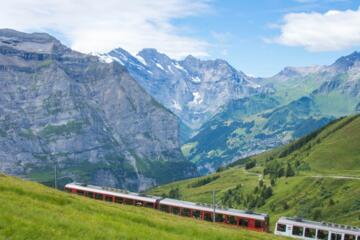
Hiking trails in the Alps or coastal walks in Portugal’s Algarve enjoy milder weather yet far fewer visitors than summer. This changes the experience entirely—you find peace, local wildlife, and can often park easily. Some parks limit access during peak summer, but shoulder season opens these up again without compromising safety or facilities.
Embrace Local Cuisine at Better Prices
Restaurants scale down their menus in winter; shoulder season menus retain variety without the summer tourist markup. Seasonal ingredients like fresh asparagus in Germany or chestnuts in Italy shine. Dining costs may drop by 20-25% compared to peak months, especially in less touristy districts.
Use Weather Apps for Smarter Packing
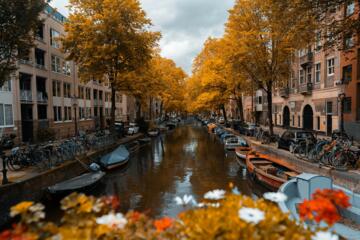
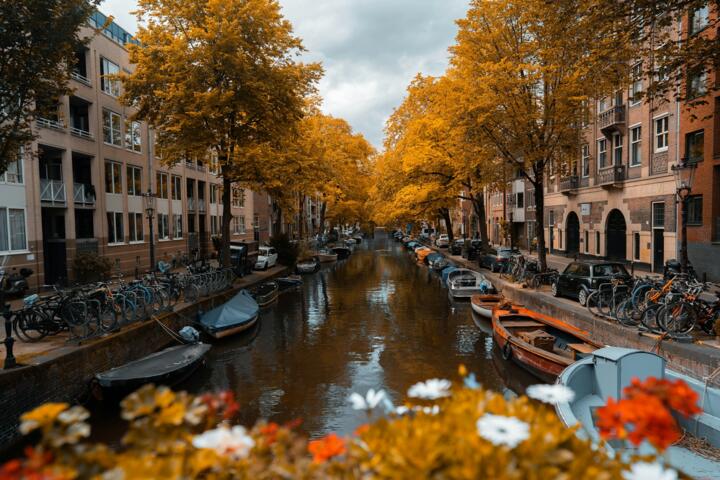
Apps like AccuWeather or WeatherPro help plan packing efficiently because shoulder season weather varies. Early fall in Amsterdam might be rainy while southern Spain still basks comfortably near 25°C. Overpacking is unnecessary but a good waterproof jacket is wise. The right gear lets you explore without being caught off-guard.
Leverage Off-Peak Museum Hours
Crowds thin shoulder season, so museums and attractions open fewer extended hours, but queues fall dramatically. Paris’s Louvre sees wait times drop from 90 minutes in summer to 15 minutes in May. Booking timed-entry tickets online for this period almost guarantees stress-free visits.
Combine Urban and Rural Itineraries
Long waits at urban spots like Rome’s Colosseum can be avoided by visiting nearby countryside or smaller towns during shoulder months. Take one day in Orvieto before hitting the city’s main sites; it refreshes your trip and reduces fatigue, which many ignore, causing rushed itineraries and missed moments.
Monitor Currency and Visa Advantages
Shoulder season travelers outside the Eurozone can catch favorable exchange rates. January 2024 showed a dip in the euro against USD, a trend that continued weakly through April. Planning payments or visa appointments when rates dip improves the budget without new gimmicks.
Success Stories in Shoulder Season Travel
Take a small UK startup, a boutique tour operator headquartered in Edinburgh. In 2023, they shifted focus from summer tourists to shoulder season clients, promoting October trips featuring whisky tastings and autumn Highland hikes. Bookings doubled, customer satisfaction rose 18%, and average trip spend climbed 12%. They cited reduced congestion and authentic experiences as draws.
Similarly, a hostel chain in Barcelona discounted rooms 30% from May to June in 2022, emphasizing local tapas tours and bike rentals. This helped fill 70% of rooms that would otherwise sit empty post-peak season. They reported a 25% increase in positive reviews pointing to value and atmosphere.
Shoulder Season Fun Checklist
| Step | Action | Benefit | Tool/Resource |
|---|---|---|---|
| 1 | Research local events | Authentic cultural experiences | VisitEU, local tourism sites |
| 2 | Book trains early | Up to 50% fares off | Trainline, FlixBus app |
| 3 | Pick boutique stays | Discounted and less crowded | Airbnb, Booking.com filters |
| 4 | Pack flexible gear | Adapt to weather variances | WeatherPro, AccuWeather |
| 5 | Book museums online | Avoid lines, better tours | Official museum sites |
Oversights to Avoid
Don’t assume all attractions run full hours—some close early, especially in October. Confirm opening times to avoid wasting precious daylight. Also, skipping travel insurance because of lower costs is a gamble; weather shifts can mean cancellations. Planning to visit only capitals misses the richness found in less-known towns during shoulder season, like Ghent or Plovdiv. Forgetting cash backups is risky, as some rural areas accept cards sparingly outside peak time.
FAQ
What months define Europe’s shoulder season?
Typically, April to June and September to October mark shoulder season, varying slightly by region.
Is the weather decent during shoulder season?
Yes, temperatures often range 12-22°C with fewer extremes, though rain is more frequent in some areas.
Are tourist sites less crowded in shoulder season?
Significantly fewer people visit then, making queues short and experiences more relaxed.
Do costs really drop outside peak months?
Accommodation and flights often reduce by 20%-40%, translating to substantial savings.
Can I find local events during shoulder seasons?
Local fairs, harvest festivals, and concerts often happen in shoulder months, highlighting authentic culture.
Author's Insight
I’ve crossed Europe multiple times during every season, and nothing delivers as balanced an experience as shoulder season. It offers fresh air, calm streets, and the chance to see life as locals live it. Once, in early October 2022, I stumbled on a quiet jazz evening in a Bordeaux cellar that no guidebook mentioned—just because I traveled outside July. That mix of serendipity and efficiency makes shoulder season my repeated choice.
Summary
Choosing Europe’s shoulder season elevates travel without compromising comfort or access. Plan around local events, book flexible transport, and trust quieter museums to enjoy your time deeply. The extra savings open other doors—like better meals or upgraded lodgings—and the lighter crowds let you savor moments beyond selfies. Consider shifting dates next trip. Your calendar and wallet will thank you.