Train Travel Across Europe
Europe boasts one of the densest and most connected rail networks globally, with over 300,000 kilometers of track intersecting nearly 40 countries. Trains here offer a unique way to experience cities and landscapes at a comfortable pace while skipping airport hassles. Most major cities host at least two train stations, so selecting the right one is vital. For example, Paris has around six main stations specialized by direction, confusing at first glance.
High-speed lines like France’s TGV or Germany’s ICE dramatically shorten travel times—Paris to Brussels is just 1 hour 22 minutes. Many regional trains are slower but cost effective. If you expect a 3% delay rate on scheduled services, plan accordingly.
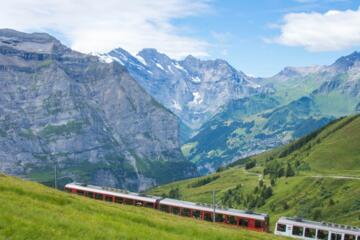
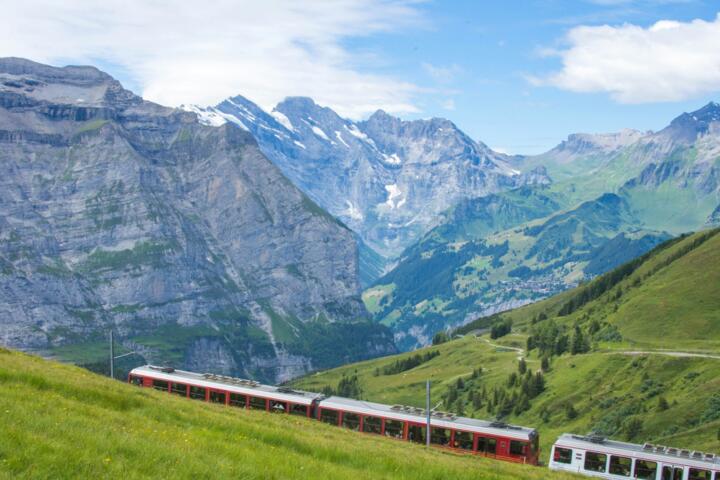
You can sit back, relax, and see Europe in a way planes rarely allow.
Pain Points and Missteps
Passengers often underestimate the complexity of European train networks. One common failure is assuming every route accepts the same ticket type—some require reservations even with valid rail passes. Another is not factoring in transfer times between stations in big cities, which can be 30 minutes or more apart on foot or via metro.
Such misunderstandings lead to missed trains and inflated costs buying last-minute tickets. For instance, Italian regional trains often lack advance ticket options, so standing room or delays become issues during peak seasons.
Not checking for platform changes or train cancellations also causes frustration. If a connection is missed, your alternatives might involve expensive taxis or complicated rescheduling.
Travel by Train Efficiently
Plan Your Route in Detail
Use reliable tools like the Deutsche Bahn (DB) Navigator app or Eurail Planner to map your journey. These services show exact train numbers, travel times, and platform info. They update frequently, factoring real-time delays and maintenance work. Planning ahead halves the odds of surprises.
I ran one trip itinerary for a 7-city tour, adjusting times manually to allow 20 minutes’ buffer for station changes. This prevents last-minute scrambling in places like Amsterdam’s Centraal station, which is large and often crowded.
Buy Tickets Smartly
Book long-distance tickets three months in advance when possible, especially for TGV, Eurostar, or Italo trains, as prices rise closer to departure. Regional trains can often be purchased on the day but check country-specific rules. Websites like Trainline aggregate fares from multiple operators, making it easier to compare costs.
For multi-country trips, consider a Eurail Global Pass but analyze your itinerary first. It often saves money only if you cover more than 4,000 kilometers within two months. Even then, reservation fees apply on many high-speed trains.
Use Seat Reservations
Pick reserved seats for high-speed and overnight trains to guarantee a spot. Exceptions include some German ICE trains where open seating works but it’s a gamble when busy. By reserving, travelers reduce stress and avoid standing during longer trips.
Many reservation systems charge €10–€15 per seat. Sometimes you can reserve online or at a station kiosk.
Travel Light and Organized
European trains have limited luggage storage, usually overhead racks and some space near doors. A compact backpack and small suitcase fit best. Having a luggage scale at home helps gauge allowable weight before packing.
Keep tickets and ID in a travel wallet or phone app folder for quick access during inspections. Passport or national ID is required on international routes.
Time Transfers Realistically
Factor at least 30 minutes for transfers in large hubs; some may require metro rides. Stations like Milan’s Centrale or London’s St Pancras spread out platforms far apart. Tight connections under 15 minutes rarely succeed.
Plan meals and resting breaks around longer waits rather than rushing. If unexpected delays occur, apps like DB Navigator let you track alternate routes instantly.
Use Cross-border Trains Properly
Some cross-border trains have different booking rules and border controls. For example, Eurostar from London requires tickets purchased in advance, and passports stamped. Trains from Switzerland to Italy may require seat reservations too.
Research rules for each international leg through official railway websites to avoid fines or denied boarding.
Download Offline Maps and Schedules
Wi-Fi on trains and in stations is hit or miss. Grab apps like Citymapper or Google Maps with offline data for navigation to stations and between connections. Some countries’ railway apps let you download timetables or tickets for offline use, such as SNCF Connect for France.
Arrive Early at Stations
Arriving 20 minutes early gives breathing room to find platforms, buy snacks, or handle unexpected platform changes. Smaller stations often lack clear signage or staff direction, which can add confusion.
Rushing adds stress unnecessarily.
Check Train Status Regularly
Real-time status updates show if your train is delayed or cancelled. Apps and station screens update constantly, preventing wasted waiting or frantic last-minute rerouting. In one case, an app saved me from missing a connecting train after an earlier delay.
Practical Case Examples
A freelance consultant traveled from Berlin to Barcelona over ten days. Initially booked with local rail passes, she regularly faced sold-out trains due to lack of reservations. Midway, she switched to online direct bookings using DB and Renfe websites, booked seats 30 days ahead, and saved 20% on fares. Waiting times dropped dramatically, and she arrived punctually every time.
A family of four faced challenges on Italy’s regional trains in spring 2023. They learned buying tickets on-site caused stress and overcapacity. Booking digitally via Trenitalia weeks ahead, with assigned seats, helped them avoid crushes during holiday weekends, cutting travel delays by half.
Smoother Journeys Checklist
| Step | Tip | Tools | Benefit |
|---|---|---|---|
| 1 | Plan route early | DB Navigator, Eurail Planner | Avoid missed connections |
| 2 | Book tickets ahead | Trainline, Trenitalia site | Lower fares, peace of mind |
| 3 | Reserve seats on fast trains | Rail operator sites | Guaranteed seat, less stress |
| 4 | Pack light | Luggage scale, backpacks | Easy storage, less fatigue |
| 5 | Check train status often | DB app, station boards | Adjust plans rapidly |
Avoiding Common Errors
Waiting too late to book high-speed trains guarantees higher prices and fewer options. Many ignore reservation requirements and get stuck standing or worse. The wording on tickets confuses some travelers: a Eurail pass doesn’t replace seat bookings on many services, so don’t skip that step.
Some plan connections with less than 10 minutes between trains, risking misses entirely. Others carry bulky suitcases, consuming space at busy stations and getting on and off slower. Don’t assume every rail operator's website follows the same interface logic—train companies differ greatly.
FAQ
How far in advance should I book tickets?
Book fast trains three months ahead for best prices; short regional trips can be last-minute.
Are Eurail passes worth it?
Only if you travel more than 4,000 km in 2 months and accept reservation fees.
Do all trains require seat reservations?
No; regional trains usually don’t, but high-speed and international ones do.
What if I miss a connection train?
Check operator rules; many allow rebooking on later trains without extra cost.
Can I use mobile tickets?
Yes, most European rail operators accept electronic tickets via apps or email QR codes.
Author's Insight
Ironically, the biggest stress isn’t the train, but scattered information across dozens of national operators. When I first traveled Europe by train in 2017, I missed crucial reservation steps, costing me an overnight detour. After extensive trial and error, I now rely on DB Navigator and the official operator apps to double-check every detail—a habit that saves hours.
Don’t underestimate train station layouts; arrive earlier in unfamiliar cities. My tip: identify your arrival platform on an app before you leave the previous train, then move promptly if it changes—which happens more than you think.
Key Points
Train travel in Europe is rewarding but demands precise planning. Choose your routes carefully, book in advance, and secure your seats on high-speed rides. Pack light, allow transfer time, and use apps for real-time updates. These steps cut stress and open the door to an unforgettable rail journey—no surprises, only views and adventure.