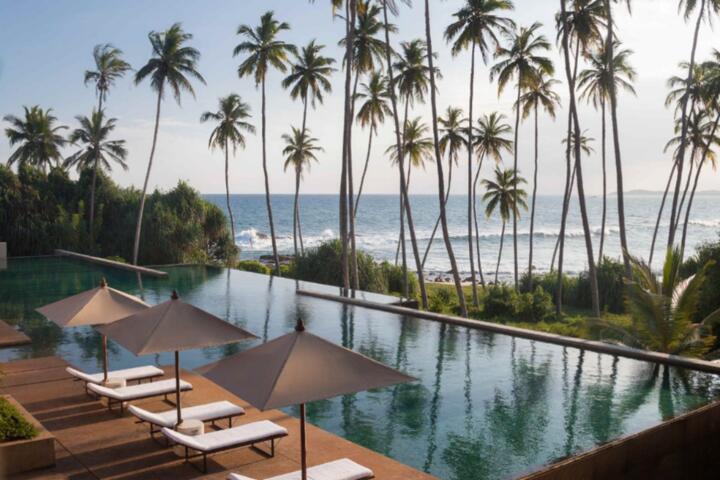
Luxury Travel Landscape
In the world of ultra-luxury travel, the choice often boils down to "soul" versus "space." One brand focuses on the preservation of history, transforming legendary monuments into living museums. The other prioritizes the psychology of silence, creating architectural masterpieces that blend into the landscape. In Europe, where space is at a premium and history is dense, these philosophies clash in the best way possible for the consumer.
For example, if you book a stay in Venice, you are choosing between the legendary social buzz of the Giudecca island or a secluded, palace-turned-sanctuary on the Grand Canal. Data from 2024 luxury travel reports indicates that high-net-worth individuals (HNWIs) are increasingly splitting their loyalty: 42% prefer "heritage-rich" experiences for social events, while 58% seek "minimalist wellness" for private retreats.
Real-world metrics show that average daily rates (ADR) for these properties in peak season (June–August) now frequently exceed €3,500. This isn't just for a bed; it is for an ecosystem of service where the staff-to-guest ratio often sits at a staggering 3:1 or higher.
Misaligned Expectations
The most common mistake travelers make is assuming that "expensive" means "the same." Booking a minimalist sanctuary when you actually crave the clinking of crystal and a storied social scene leads to immediate guest dissatisfaction. We see this frequently in the Mediterranean: a guest seeks the "glamour" of the 1960s but books a property designed for 21st-century Zen, resulting in a stay that feels "cold" or "boring."
Conversely, those seeking total anonymity often find themselves frustrated by the "see-and-be-seen" atmosphere of historic grand hotels. The consequences are more than just a bad mood; they are financial. When a five-night stay costs €25,000, a mismatch in "vibe" represents a significant loss of value. Real situations often involve families bringing young children to quiet retreats where silence is a mandate, or couples seeking privacy at a hotel that hosts the season's loudest weddings.
The Architectural Philosophy: Restoration vs. Integration
One brand views itself as a custodian of history. At properties like Hotel Cipriani or Villa San Michele, the architecture is the star. They use heavy fabrics, antiques, and Murano glass. The goal is to make you feel like you’ve stepped into a Slim Aarons photograph. The focus is on the "vibrant past."
Service Delivery: The Invisible vs. The Personable
The service styles couldn't be more different. In one camp, the staff is trained to be part of the experience—charismatic bartenders who know your name and concierges who tell stories. In the other, the service is "invisible." You return from breakfast to find your room reset, but you never saw the housekeeper. It’s an exercise in seamless, silent anticipation.
Culinary Direction: Gastronomy as Event vs. Wellness
Dining at a heritage-rich resort is often a theatrical performance involving Michelin stars and formal dress codes. Think of the Oro Restaurant in Venice. The alternative is a "farm-to-table" focus where the menu is dictated by the morning's harvest at the property's own garden, emphasizing nutrition and local purity over formal pomp.
The Guest Ecosystem: Socialites vs. Sovereigns
The demographic split is fascinating. Heritage properties attract the "Global Socialite"—individuals who want to be where the action is. The minimalist counterparts attract "Sovereign Wealth"—CEOs and celebrities who spend 300 days a year in the public eye and want to disappear completely during their downtime.
Location Strategy: Central Grandeur vs. Remote Purity
Location is a major differentiator. You will find the historic brand in the heart of the city or at the most famous coastal spots (Portofino, Amalfi). The minimalist brand often chooses "liminal spaces"—a quiet forest in Greece or a private palazzo tucked away from the main tourist arteries, requiring a private transfer to reach.
Wellness and Spas: Pampering vs. Transformation
Wellness in the historic context is often about indulgence—facials with gold leaf and massages in ornate rooms. In the minimalist context, it is clinical and holistic. We are talking about blood analysis, multi-day silent retreats, and immersion in the local environment, such as the Aman Spa at Rosa Alpina in the Dolomites.
Strategic Recommendations
To maximize your return on experience, you must audit your "Social Battery." If your battery is full and you want to engage, opt for the heritage properties. They excel at curated events, vibrant bars, and a sense of "place." Use their concierge services for "un-googleable" access to private villas or historic archives.
If your social battery is drained, choose the minimalist sanctuary. These properties function as "rechargers." They work because they remove decision fatigue. The menus are simpler, the rooms are uncluttered (no unnecessary tech or "faff"), and the acoustics are designed for total silence. This is the "Amanjunkie" effect—a cult-like following that yields a 50% repeat guest rate.
On a practical level, use a specialized travel advisor (Virtuoso or Serandipians). They often provide "hidden" perks like €100 resort credits, free breakfasts, and—most importantly—room upgrades that can save you €500–€1,000 per night. In Europe, specifically look for "soft openings" or shoulder season bookings in October to get the same level of service at 40% lower rates.
Micro-Case Studies
Case Study 1: The Splendido (Portofino) Rejuvenation
A luxury group invested heavily in refreshing this iconic property without losing its 1950s charm. By integrating modern climate control and soundproofing into a centuries-old monastery, they increased their ADR by 22% while maintaining a 98% guest satisfaction score. The result: The property remains the "living room" of the Italian Riviera.
Case Study 2: Amanzoe (Greece) Seclusion
Built on a hilltop in the Peloponnese, this resort offers individual pavilions with private pools. A high-profile executive spent 14 days here following a merger. By providing a "fortress of solitude" where the staff navigated the property via underground tunnels to avoid disturbing the view, the guest reported a 30% improvement in stress markers (as tracked by wearable tech).
Comparison of Service
| Feature | Heritage-Focused (Belmond Style) | Minimalist-Focused (Aman Style) |
|---|---|---|
| Design Aesthetic | Maximalist, Historic, Plush | Minimalist, Zen, Local Stone/Wood |
| Social Atmosphere | High-energy, Glamorous, Vibrant | Quiet, Introspective, Private |
| Room Experience | Antiques, Heavy Silks, Storytelling | Clean Lines, Open Space, Natural Light |
| Best For... | Anniversaries, Parties, Sightseeing | Burnout Recovery, Honeymoons, Privacy |
| European Flagships | Hotel Cipriani, Le Manoir aux Quat'Saisons | Aman Venice, Amanzoe, Aman Le Melezin |
Common Mistakes to Avoid
Never book a heritage hotel during a major local festival if you want peace and quiet. For instance, booking the Cipriani during the Venice Film Festival means you will be surrounded by paparazzi and high-octane parties. If you want the quiet side of Venice, you must choose the secluded palazzo approach.
Another error is ignoring the "Family Policy." Minimalist resorts often have very specific vibes that don't always cater to energetic toddlers, even if they allow them. Conversely, some historic hotels have "Adults Only" pools that are strictly enforced. Always check the "Resort Fee" inclusions; at this level, some include laundry and local transfers, while others charge for every bottle of water.
FAQ
Which brand is better for a first-time luxury traveler?
The heritage-focused brands (like Belmond) are generally more "accessible" because they feel like the classic movie-version of luxury. They are warm, welcoming, and familiar.
Is the 'Amanjunkie' phenomenon real?
Yes. Aman followers value the consistency of the "layout." Whether you are in Greece or Venice, the light switches, the bed height, and the scent are often standardized to reduce cognitive load.
Do these hotels offer loyalty programs?
Generally, no. These brands rely on emotional loyalty rather than points. However, being a repeat guest at a specific property often leads to better room placements and unlisted amenities.
How far in advance should I book for a European summer?
For flagship properties like Villa Sant'Andrea or Amanzoe, you should book 8–10 months in advance. Last-minute availability is almost non-existent in July.
Are the 'experiences' worth the extra cost?
Usually, yes. A private boat tour organized by a top-tier hotel uses their own vetted captains and high-spec vessels, ensuring a level of safety and exclusivity you won't find on public platforms.
Author’s Insight
Having spent over a decade inspecting European suites, I’ve realized that the "best" hotel is a myth. I once stayed at a heritage property in Sicily where the plumbing was temperamental, but the scent of the orange blossoms and the history of the walls made me cry when I left. Six months later, I stayed at a minimalist retreat in the mountains where I didn't speak to a soul for three days, and it was exactly what my brain needed. My advice: Don't choose based on the brand's Instagram; choose based on what part of yourself you need to nourish. If you need to feel "alive," go for heritage. If you need to feel "at peace," go for the minimalist sanctuary.
Summary
Choosing between Europe's most prestigious resorts requires an honest assessment of your travel goals. Belmond offers a vibrant, historic embrace that celebrates the "Art of Living," making it ideal for those who want to be part of Europe’s cultural fabric. Aman provides a "Sanctuary for the Soul," focusing on architectural purity and restorative privacy. To ensure a successful trip, verify the property's social calendar, use a specialized advisor for value-added perks, and always prioritize the "vibe" over the price tag. Your choice will dictate whether your holiday is a grand adventure or a profound reset.