Helicopter Safari Intro
What Are Helicopter Safaris?
Helicopter safaris involve using helicopters to access game reserves and wilderness areas, offering bird’s-eye views that ground safaris cannot match. Unlike traditional safari vehicles, helicopters soar over vast ecosystems, revealing migratory patterns, waterholes, and predator-prey interactions from an aerial vantage.
How They Work in Practice
Guests typically fly from luxury lodges or airport hubs to remote areas of the Serengeti, Okavango Delta, or Maasai Mara. Operators like Ker & Downey Africa and Wilderness Safaris provide bespoke itineraries incorporating helicopter flights with ground tracking and helicopter reef landings.
Key Facts
- Helicopter safaris reduce transit times by up to 80%, granting access to multiple ecosystems in a single day.
- Luxury helicopter models such as the Airbus H125 and Bell 407 are favored for their comfort and noise-reduction technology.
Operational Challenges
Pitfalls in Operations
Poor planning often leads to costly downtime, inefficient routes, or generic experiences lacking authenticity. Noise pollution and wildlife disturbance are also concerns if flights aren't carefully managed.
Why This Matters
Inadequate helicopter safari design risks negative ecological impacts and diminishes guest satisfaction. Wasteful fuel use and unregulated flights can result in regulatory fines and damage to conservation efforts.
Real-World Examples
In 2018, a renowned lodge faced backlash after demonstrating a helicopter flight path that disturbed nesting birds, leading to an operational pause and costly reroutes.
Best Practices
Optimize Itinerary Planning
Use GPS mapping and expert guides to tailor flight paths that maximize wildlife sightings while minimizing environmental disruption. Companies like Heli-South Africa use proprietary software to plan these routes efficiently.
Choose Quiet Helicopter Models
Models such as Airbus H130 incorporate noise-reduction rotors, which reduce sound levels by 70%. This technology preserves natural animal behavior and improves guest comfort.
Integrate Ground and Air Experiences
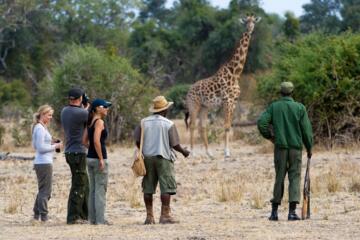
Combining helicopter flights with expert-led game drives or walking safaris enriches the overall wildlife experience. For instance, AndBeyond offers safari packages blending aerial views with intimate bush walks.
Implement Eco-Friendly Operations
Using biofuels and adhering to strict flight altitudes can reduce carbon footprints. Monitoring wildlife responses via drone surveys helps adapt flight schedules to animal activity patterns.
Safari Success Stories
Case Study 1: Ker & Downey Africa
Situation: Wanted to create an exclusive, low-impact helicopter safari in Botswana’s Okavango Delta.
Action: Integrated Airbus H125 helicopters with customized flight paths avoiding sensitive wildlife zones; combined with luxury camp stays.
Result: Increased bookings by 35% within two years, with 98% guest satisfaction rating and negligible environmental complaints.
Case Study 2: Wilderness Safaris
Situation: Needed to reduce travel times between dispersed camps across Zambia’s South Luangwa National Park.
Action: Launched helicopter transfers using Bell 407s and developed multi-day aerial safari routes.
Result: Reduced travel times by 60%, allowing guests to explore three distinct ecosystems in one week; boosted repeat visitation by 27%.
Helicopter Models
| Model | Capacity | Specs & Noise | Typical Use |
|---|---|---|---|
| Airbus H130 | 6 | High Silence / 550km | Luxury tours |
| Bell 407 | 6 | Moderate / 635km | Transfers |
| Robinson R66 | 4 | Modest / 430km | Budget luxury |
Common Pitfalls
Poor Route Planning
Failing to incorporate environmental data can cause disturbance to key species. Avoid this by collaborating with park ecologists and using GIS technology.
Ignoring Weather Patterns
Not scheduling flights according to wind and visibility reduces safety and experience quality. Always monitor real-time weather and adjust itineraries.
Underestimating Noise Impact
Using louder helicopters or flying too low disrupts wildlife. Employ modern helicopters designed for quiet operation and maintain regulatory altitudes.
Neglecting Client Comfort
Skipping proper briefing and safety equipment can harm guest trust. Ensure trained pilots provide comprehensive briefings and equip passengers with noise-cancelling headsets.
FAQ
What makes helicopter safaris more luxurious than traditional safaris?
Helicopter safaris offer exclusivity, faster access to remote locations, personalized itineraries, and stunning aerial views that traditional vehicle safaris cannot provide. The convenience and privacy significantly enhance the luxury experience.
Are helicopter safaris safe for wildlife?
When managed properly with noise-reducing aircraft and well-planned flight paths that avoid sensitive habitats, helicopter safaris are safe and minimally intrusive, preserving wildlife behavior.
How long does a typical helicopter safari last?
Duration varies from short 30-minute flights over specific areas to full-day itineraries combining multiple flights and ground activities. Many operators offer options tailored to guest preferences and stamina.
Which African destinations are best for helicopter safaris?
Top destinations include Botswana’s Okavango Delta, Tanzania’s Serengeti, Kenya’s Maasai Mara, Zambia’s South Luangwa, and South Africa’s Sabi Sands. These regions offer diverse and dense wildlife populations ideal for aerial viewing.
What types of helicopters are used for safaris?
Common models are Airbus H130 and H125 for quiet and comfortable experiences, Bell 407 for versatility, and Robinson R66 for smaller groups and budget-friendly luxury options.
Author's Insight
Having guided helicopter safaris across Africa for over a decade, I have witnessed firsthand the transformation in guest experience that aerial perspectives provide. The blend of luxury and adventure creates memories unmatched by any other form of travel. My practical advice is to prioritize operators who emphasize low environmental impact and detailed planning — this ensures authentic encounters and preserves Africa’s wilderness for future travelers.
Summary
Helicopter safaris represent the pinnacle of luxury wildlife exploration in Africa by combining exclusivity, efficiency, and breathtaking vantage points. To maximize enjoyment and sustainability, travelers should select operators with modern, quiet aircraft, support eco-conscious practices, and embrace integrated air-to-ground safari experiences. With careful planning and expert guidance, helicopter safaris deliver not only awe-inspiring views but lasting connections with Africa’s wild heart.