Traveling Africa's Two Worlds
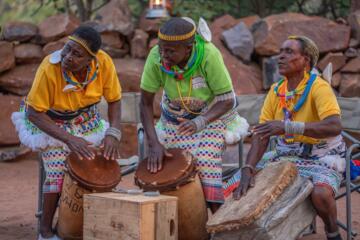
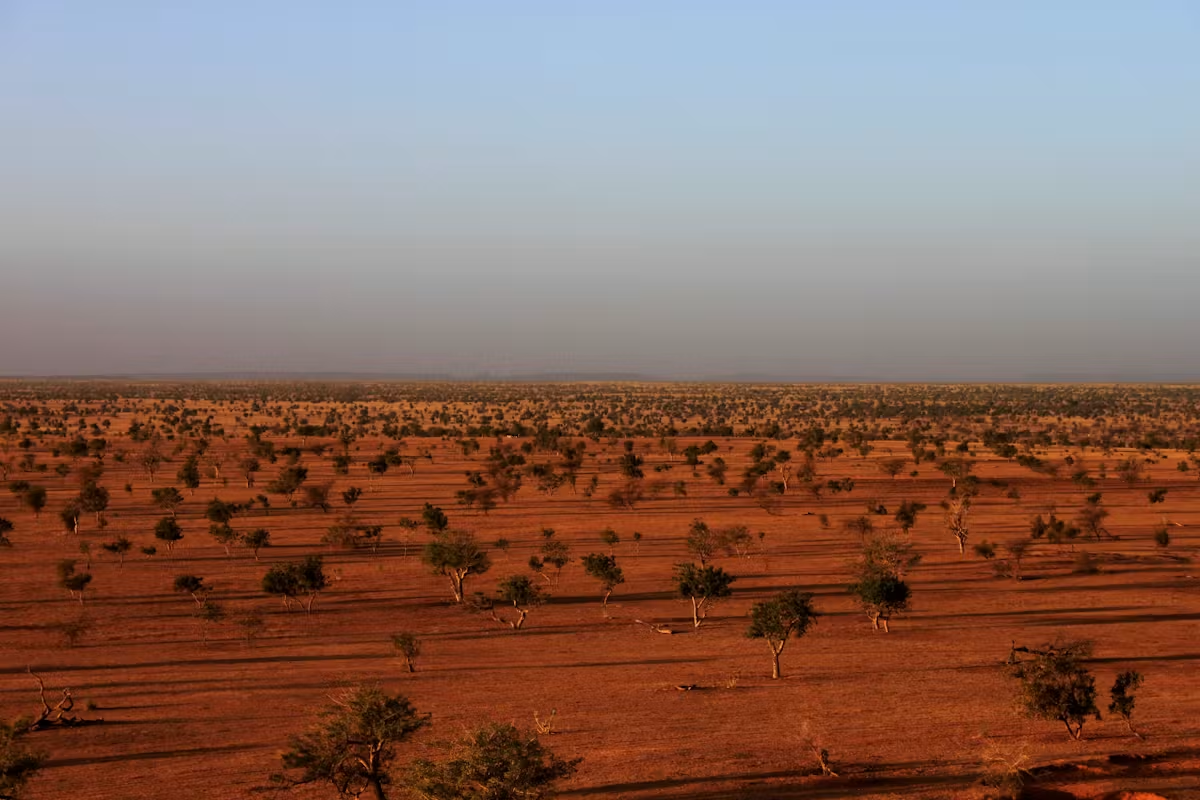
North and Sub-Saharan Africa represent two very different travel spheres, each with distinct climates, cultures, and logistics. For example, Tunisia in the north offers Mediterranean coastlines and Roman ruins, while Tanzania in Sub-Saharan Africa boasts the Serengeti and Mount Kilimanjaro. In 2023, North Africa attracted about 24 million international visitors, largely from Europe, compared to around 37 million in the Sub-Saharan region, a figure growing rapidly due to safari and cultural tourism.
The differences go beyond attractions. Transportation, accommodations, and safety perceptions vary widely across these regions. Industries and travel infrastructure reflect colonial histories and geopolitics. North Africa's travel scene runs heavily on well-established routes, whereas Sub-Saharan travel often requires more planning due to diverse conditions.
Emerging from this duality, travelers face choices that affect cost, comfort, and cultural immersion.
Common Travel Challenges
Misjudging the gap between North and Sub-Saharan travel prompts many hassles. For instance, tourists expecting Mediterranean-style amenities in Sub-Saharan countries often confront unpredictable power supply or limited internet access. Security is another blind spot: North African countries have pockets of unrest but generally stable tourist zones, while some Sub-Saharan areas experience frequent travel advisories.
Ignoring visa differences also leads to costly delays. Algeria and Egypt have unique visa protocols compared to more flexible policies in Kenya or Ghana, which offer e-visa options doubling traveler convenience. Budgeting too casually is risky. Accommodation in Morocco can be triple the price of a comparable hotel in Senegal, but safari permits or guided tours in East Africa add extra layers of fees that might not exist in North Africa.
The mix-up extends to health requirements: yellow fever vaccines are compulsory for most Sub-Saharan destinations but irrelevant in North Africa. Consequences? Missed flights, unsafe conditions, or unforeseen expenses spoil trips. Planning surprises in cramped taxis or border points, where protocols change without notice, frustrate even seasoned travelers.
Tips for Easier Travel
Research Local Conditions
Studying the specific political and social climate of a destination avoids pitfalls. Websites like the UK's FCDO and the US State Department offer real-time alerts for countries—plus traveler forums on TripAdvisor reveal current on-the-ground scenarios. Understanding which areas permit overnight stays compared to those requiring day visits is key.
Use Region-Specific Transport
North Africa’s rail networks in Morocco or Egypt offer reliable intercity travel with modern trains, cutting costs and delays. In Sub-Saharan Africa, air travel dominates for covering long distances; budget airlines like Fastjet and FlySafair connect major hubs, while local bush taxis fill in the gaps. Booking internal flights three weeks ahead can save up to 30%.
Get Health Preparations Sorted Early
Vaccinations, malaria prophylaxis, and travel insurance tailored for tropical diseases pay off. Clinics specializing in travel medicine such as Passport Health provide consultations and medication updated for the exact region you visit. Pack insect repellents with at least 30% DEET, and remember mosquito net availability varies widely, sometimes not as advertised.
Choose Accommodations Wisely
Luxury hotels and resorts dominate North Africa’s major cities, often with European-style amenities. Sub-Saharan Africa offers a mix from rustic lodges to eco-resorts; many successful options blend comfort with authentic experiences—think tented camps in Serengeti rather than impersonal chains. Booking platforms like Booking.com and Airbnb reflect this diversity, but confirm reviews carefully.
Learn Basic Language and Customs
Arabic, French, and Berber dialects prevail in North Africa, whereas English, French, Swahili, and dozens of indigenous languages shape Sub-Saharan communications. A few local phrases unlock smoother encounters. Also, respecting dress codes in conservative Muslim North Africa avoids unwanted attention. In Sub-Saharan regions, time tends to run more flexibly—patience often is your best tool.
Plan for Power and Connectivity
North African countries usually have stable 220V electric grids with European plugs. Sub-Saharan electricity supply fluctuates, with outages common in Nigeria or Ghana, requiring battery packs and travel routers, such as TP-Link MR600. Many lodges provide solar charging stations, but count them as bonuses, not guarantees.
Visa and Entry Requirements
Checking up-to-date visa needs prevents border headaches. Egypt offers visas on arrival for many nationalities, but Morocco requires you to have visa in advance in some cases. Meanwhile, Kenya or Rwanda’s e-visa processes take under 72 hours and reduce paperwork. Registering with embassies upon arrival adds security layers.
Expect Varied Pricing
North Africa’s travel costs align closer to southern European countries, with Morocco daily tourist budgets averaging $70-90. Sub-Saharan Africa swings wider: Tanzania safaris can spike daily expenses above $300, though street food and local buses keep costs minimal for budget travelers. Using apps like XE Currency avoids sticker shock in fluctuating exchange rates.
Embrace Local Guides
Hiring local guides enhances cultural access and safety, especially in hard-to-navigate areas like Ethiopia’s highlands or Algeria’s Sahara regions. Licensed guides often cost $50-100 per day but bring insights impossible to glean otherwise. Many communities depend on tourist income, so it supports sustainable travel.
Practical Travel Examples
A European company sending employees to Cairo underestimated the complexity of shifting from Marrakech. Airports differ widely: Cairo's international terminals feature faster border controls, but local transport is less predictable than Morocco’s tram system. They switched flights mid-plan in 2022, losing a day, then arranged meet-and-greet services through local agents, cutting hassle thereafter.
Meanwhile, a wildlife tour operator running trips to Kenya’s Maasai Mara upgraded routes after complaints about unreliable road conditions during rainy seasons. Investing in 4x4 vehicles with GPS trackers and engaging Maasai driver-guides improved client satisfaction scores by 40% in 2023. The lesson: direct regional experience changes logistics dramatically.
How Regions Stack Side-by-Side
| Aspect | North Africa | Sub-Saharan Africa | Notes |
|---|---|---|---|
| Climate | Mediterranean, Desert | Tropical, Savannah | Affects gear and health plans |
| Language | Arabic, French | English, French, Swahili | Culture varies by language |
| Transport | Rail, road, air | Mostly air, road | Rail limited in south |
| Visa | Varied, pre-approved common | E-visa common | Check latest rules |
| Health Risks | Fewer tropical diseases | Malaria, yellow fever | Bring vaccines |
| Daily Cost | $50-90 avg. | $30-300+ depending | Tourist style varies |
| Safety | Stable areas and unrest | More regional advisories | Check updates often |
Avoid Travel Errors
Overpacking heavy gear for North Africa’s warm climate is wasteful; travelers often carry winter layers not needed until they realize night temperatures in the desert dip below 10°C. Skipping local SIM cards in Sub-Saharan countries restricts mobility — roaming charges drain cash faster than expected.
Relying on written directions only is a dead end in rural zones where locals interpret roads flexibly. Not accounting for unofficial taxi fares leads to overspending, too. Booking tours last minute during festival seasons spikes price beyond budget. The signs of “open” and “closed” can surprise; some markets in Dakar or Marrakech shut down unexpectedly.
Ignoring cultural norms risks offending hosts. Dressing Western casual in North African holy sites results in denied entry. Attempting to bargain in foreign languages without patience frustrates sellers—and creates distrust.
Doesn't hurt to double-check itineraries. Even reliable guidebooks miss route closures or new border restrictions effective April 2024, if you catch my drift.
FAQ
Are flights between the two regions frequent?
Major airlines like EgyptAir and Ethiopian Airlines offer daily connections across regions, but budget offerings vary; book early to secure reasonable fares.
Is it safe to travel solo in Sub-Saharan Africa?
Safety depends on country and city; applying caution, using reputable transport, and local advice lowers risk considerably in places like Botswana or Namibia.
What currency works best in both regions?
North Africa generally uses the local currency (e.g., Egyptian pound), with Euros accepted in tourist zones; Sub-Saharan countries mostly prefer local currency but widely accept US dollars in markets.
Do I need special vaccinations for North Africa?
No yellow fever vaccine is required for most North African travel, but routine immunizations and hepatitis vaccines are standard.
How reliable is internet access?
Urban centers offer good 4G coverage; rural or safari destinations in Sub-Saharan zones might rely on satellite or limited speeds.
Author's Insight
Years of traveling between Cairo's bustling souks and remote Tanzanian villages showed me that assumptions kill plans. A traveler must respect each region’s pace and practice patience. Early health and visa prep cut unnecessary stress. Using local guides in Sub-Saharan Africa revealed stories I’d never find alone. Embracing the differences—rather than forcing sameness—makes all the difference.
What to Remember
North and Sub-Saharan African travel contrast sharply in culture, infrastructure, and health requirements. Understanding these distinctions affects budgeting, safety, and daily comfort. Secure visas early, prepare health measures, and choose transport suited to the region. Travel with open eyes and the right info, and Africa’s rich diversity opens up fully. Start with targeted research before booking anything, and carry adaptive gear. Your journey will not just succeed but enrich.