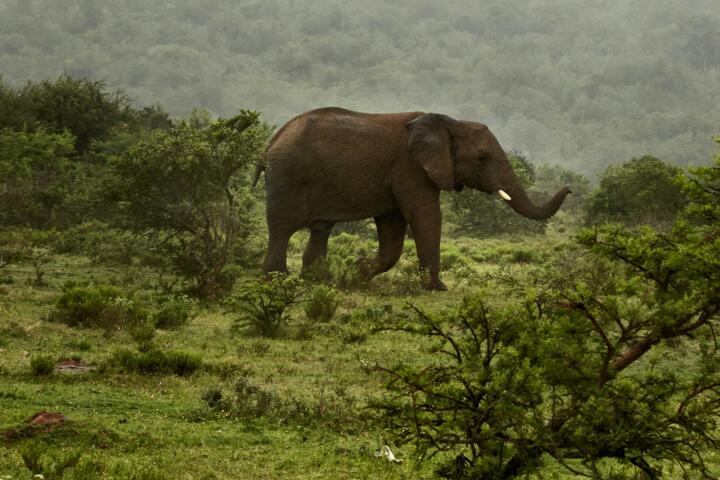
Seasonal Patterns in Africa
Africa's climate is marked by alternating dry and wet seasons rather than the four temperate seasons common elsewhere. These are primarily driven by the shifting Intertropical Convergence Zone (ITCZ), which brings rain when it moves overhead. Ethiopia and Kenya often experience rainy seasons from March to May and October to December, while West Africa's wet season usually peaks between June and September with 800 to 2000 mm of rainfall recorded. In contrast, much of Southern Africa sees rains between November and March, with dry spells dominating the rest of the year. Such geographic and temporal variation means that effective planning demands a close look at local climate data and trends.
A 2021 report from the African Centre of Meteorological Applications noted that rainfall variability has increased over recent decades, complicating predictions.
Take Nairobi as an example: the short rains in October-November often disrupt construction projects unless contingencies are in place.
Knowing the exact timing and intensity of dry and wet spells keeps risks manageable.
Common Planning Issues
Many overlook how severe the wet seasons can disrupt transport infrastructure, agriculture, and water supply. For instance, roads in rural Nigeria often become impassable shortly after heavy rains start. This stalls goods distribution and raises costs. Agricultural cycles risk failure if planting dates miss the onset of rains by even a few weeks, as soil moisture conditions are narrowly timed.
Ignoring regional dryness length leads to water shortages; in Botswana's Kalahari Desert, dry seasons last up to seven months and affect livestock survival.
Some companies schedule deliveries in the wet season, thinking roads will improve but in reality, rains make dirt roads muddy and unusable. The result: delayed shipments, loss of revenue.
Wet seasons also heighten malaria risk—travel without proper precautions during peak rains can endanger health.
Strategies for Adaptation
Leveraging Local Weather Data
Analyze historical rainfall and temperature records from credible sources like the African Rainfall Climatology (ARC) dataset and national meteorological services. This data guides when to start planting or shipping. A Kenyan maize farmer, for example, can time fertilizer applications within two weeks of the first rains to maximize yield. Apps such as Rainwatch provide near real-time updates useful for this.
Using Seasonal Forecasts
Seasonal climate outlooks by the Famine Early Warning Systems Network (FEWS NET) indicate drought probabilities and flood risks 3 to 6 months ahead. Businesses can decide if they need to stock extra inventory before heavy rains or reinforce infrastructure. Companies like DHL Africa use these forecasts to shift cargo routes preemptively—reducing delays by 15% in the 2022 rainy season.
Adjusting Agricultural Calendars
Crops like millet and sorghum thrive when planted early in the wet season; delaying results in poor germination. Research from the International Crops Research Institute shows yield drops up to 30% with late sowing. Farmers shifting planting ahead by 3-4 weeks saw gains in Burkina Faso. Experimentation with staggered planting windows helps mitigate dry spell gaps.
Infrastructure Resilience
Elevating roads, reinforcing bridges, or opting for all-weather surfaces in logistics corridors prevents washouts. Private sector projects in Ghana implemented gravel overlays in 2019, cutting rainy season transport halts by 40%. Rural road maintenance programs that budget for pre-rain repairs reduce failure rates too.
Water Storage Solutions
Creating reservoirs, rainwater catchments, or boreholes buffers against drought periods. Namibia, where annual rainfall can drop below 300 mm, relies heavily on underground aquifers accessed during dry seasons. Innovative storage tanks designed for rural homes collect 1000 liters of rainwater, securing drinking supply through dry months. Organizations like WaterAid promote such devices.
Health Precautions
Using treated nets during wet seasons curbs malaria spikes. Coordinating health campaigns to precede heavy rains ensures medicines and supplies stay available. In Uganda, spraying campaigns ahead of rainy months lowered incidence rates by 25% in 2023.
Tuning Business Logistics
Companies should avoid last-minute inventory builds right before wet seasons. Instead, ramp up during dry months when transport is cheaper and reliable, then switch to local transit during rains. Digital platforms such as Twiga Foods optimize deliveries to Kenyan urban centers by adjusting routes seasonally, avoiding flooded areas efficiently.
Backup Communication Plans
Wet seasons sometimes knock out power and telecoms locally. Businesses operating remotely from seasonal flood zones invest in satellite phones or portable solar chargers. This maintains workflow continuity when standard tech fails—simple but often ignored.
Community Engagement
Local knowledge enriches planning. Talking to longtime residents reveals microclimates unseen in official maps. For instance, a village might receive intermittent rains days earlier than neighboring areas, shifting planting urgency. Trust built through engagement also secures cooperation during emergency responses.
Practical Case Studies
Case one: A Tanzanian agricultural NGO noted repeated maize crop failures due to erratic rains around Morogoro. They introduced localized forecasting tools and adapted planting schedules. Within two years, maize yields rose by 20% on average, reducing food insecurity even in drier cycles.
Case two: An East African logistics firm, faced with unpredictable flooding on routes between Nairobi and Mombasa, invested in 4x4 fleet upgrades and prepositioned inventory hubs. During the 2023 wet season, shipment delays decreased from 30% to under 10%, with customer satisfaction increasing accordingly.
Seasonal Planning Checklist
| Step | Action | Benefit | Tools/Example |
|---|---|---|---|
| 1 | Review local seasonal data | Accurate timing | Africa Rainfall Climatology |
| 2 | Use seasonal climate forecasts | Risk reduction | FEWS NET |
| 3 | Adjust planting/operations | Max productivity | Local Agronomic advice |
| 4 | Infrastructure upgrades | Avoid delays, damage | Gravel roads, bridges |
| 5 | Install water storage | Water security | Catchments, tanks |
Pitfalls to Avoid
Over-reliance on a single forecast source often backfires, given Africa's microclimate variability. Cross-check forecasts with local alerts or community reports. Do not assume wet season means constant rain; dry breaks can cause confusion in planting schedules.
Trying too rigid a schedule ignores natural unpredictability—be ready to adjust. Avoid late preparation. Farmers delaying seed purchases until the first rains face seed shortages, which happen surprisingly often.
Assuming all regions share similar season timing leads to logistics chaos, especially for companies operating in multiple countries. Kenya’s short rains differ markedly from West African peaks.
FAQ
When does Africa's wet season start?
The wet season's start varies by region: East Africa typically sees rains between March-May and October-December; West Africa’s main rains fall from June-September, while southern Africa usually experiences them November-March.
How long do dry seasons last?
Duration depends on location: desert areas can have dry spells exceeding half the year, while tropical zones often have 3-4 dry months between rains.
Can I depend on weather apps for planning?
Some apps offer regional forecasts, but their accuracy may not cover rapid local changes. Combining app data with local meteorological services improves reliability.
What crops suit dry seasons?
Drought-tolerant crops like millet, sorghum, and certain legumes perform well during dry spells when timed correctly with residual moisture.
How do businesses manage rainy disruptions?
By adjusting supply chain timing, investing in resilient infrastructure, and using adaptive routing based on seasonal flood patterns, they minimize downtime and costs.
Author's Insight
Having worked in logistics across East and West Africa since 2015, I learned that local seasonal nuances can make or break operations. The small Kenyan startup I advised missed early rains once, pushing delivery schedules into chaos. Real-time weather data combined with traditional knowledge always beats relying solely on forecasts, which, frankly, most sources miss. Seasonal planning is a continuous process, not a single annual task.
Summary
Planning around Africa's dry and wet seasons means embracing variability. Consult detailed local data, spread risk through flexible scheduling, and invest in infrastructure and tools aligned with seasonal shifts. Engage communities, monitor forecasts consistently, and stay agile—this approach keeps projects on track despite unpredictable weather. Adaptation isn’t optional; it dictates success.