Safari Packing Basics
A safari involves unpredictable environments, shifting between hot days and cooler nights. Expect dusty trails, sun exposure, and occasional rain. For example, East African safaris during the dry season can see daytime temperatures up to 35°C, dropping to under 15°C at night. Packing must anticipate these swings plus long hours in vehicles or on foot.
Unlike urban travel, you won’t find convenience stores along the route. Bringing the right gear means you won’t scramble last minute, risking missing out on comfort or safety. I once saw travelers suffer from sunburns because they underestimated the strength of the African sun.
Feel free to leave bulky items at home. The key is smart layering and multifunctional pieces.
Common Packing Pitfalls
People often overpack heavy clothing or forget essentials like insect repellent, which leads to discomfort or health risks in safari regions. Ignoring fabric choice can result in overheating or chafing during drives and walks. Mistakes include bringing bright colors that spook wildlife or packing breakable tech without protection, only to regret it later.
Inadequate sun protection causes sunstroke or painful burns. One traveler I know suffered mild sunstroke after skipping wide-brimmed hats, mistakenly trusting vehicle shade to suffice. Overlooking storage options such as dry bags or sturdy backpacks often results in dirt-damaged gear when crossing rivers or hiking.
Being unprepared also means fewer options for spontaneous activities like night game drives.
Packing Guide with Details
Clothing choices
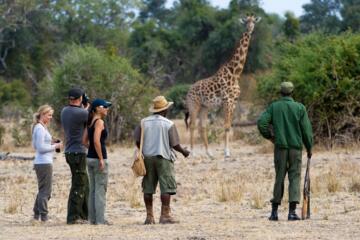
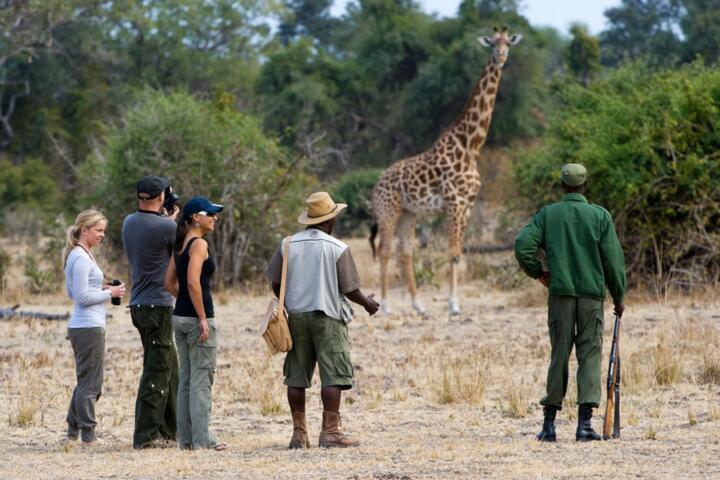
Wear neutral tones like khaki, olive, and beige to reduce animal disturbance. Lightweight, quick-dry fabrics dominate; for example, a polyester-cotton blend reduces sweat retention and dries in less than an hour under sunlight.
Bring at least three sets of layered clothing: moisture-wicking short sleeves, a long-sleeve shirt for sun protection, and a warm fleece or jacket for evenings. Pants with zip-off legs double as shorts—great for changing weather.
Footwear essentials
Sturdy hiking boots with ankle support are mandatory. Don’t rely on sneakers, as rocky terrain leads to blisters and weak footing. Trail-rated boots with breathable mesh work best, such as Salomon X Ultra 4 GTX.
Pack lightweight sandals for camp use or river crossings. Moisture-wicking socks reduce the risk of fungal infection, which flares up in humid environments.
Sun safety gear
Bring a wide-brimmed hat with UPF rating, polarized sunglasses (Ray-Ban or Maui Jim are known for durability), and high-SPF sunscreen (50+, water resistant). One bottle won’t cut it—factor in daily 30 ml application over 5-6 days.
Cover your neck with a lightweight scarf or buff to avoid burns and insect bites.
Insect protection
Insect-borne illnesses like malaria require repellents with 20-30% DEET or alternatives containing picaridin. Impregnated clothing with permethrin adds a barrier layer. Mosquito nets treated with insecticide offer added protection during sleep—some camps provide them, but don’t count on it.
Technical gear
Bring a quality DSLR or mirrorless camera with a 100-400mm zoom lens for wildlife shots. Spare memory cards and batteries are non-negotiable; power is limited in remote camps. A portable solar charger, like Anker PowerPort Solar Lite, can keep devices alive for extended trips.
A good headlamp with red-light mode preserves night vision during nocturnal activities.
Health and hygiene items
Pack a compact first-aid kit including antiseptics, bandages, antihistamines, and anti-diarrheal medication like loperamide. Dehydration is common; electrolyte powders help. Travel wipes and hand sanitizer maintain hygiene where water access is restricted.
Documentation and valuables
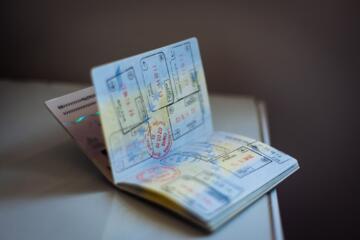
Copies of passports, visas, vaccination cards, and travel insurance are critical. Store electronic backups and printouts separately from originals. Leave expensive jewelry at home; outdoor trips raise the risk of loss or damage.
Travel bags and storage
Choose a soft-sided bag rather than a hard suitcase—this fits better in safari vehicles and light aircraft holds. Use dry sacks or ziplock bags inside to protect contents from moisture or dust. One collapsible daypack aids excursions away from the main camp.
Climatic gear
Rain is unpredictable especially during shoulder seasons. A lightweight, breathable rain jacket packs small yet shields well. I carry a simple poncho with built-in waterproof pockets for phones, which, frankly, most people skip and regret when drenched.
How Others Solved This
A tour operator specializing in Botswana safaris noted: many guests arrived with wrong boots and suffered blisters. Their solution: a pre-trip gear checklist emailed two weeks before travel, including recommended brands and local weather updates. Result? Complaints about footwear dropped 40% in a year.
Another group on a Kilimanjaro circuit replaced bulky duffels with modular packing cubes from Eagle Creek, cutting baggage weight by 15%. They reported faster packing times and less lost gear during transfers.
Packing Checklist Guide
| Category | Item | Purpose | Quantity |
|---|---|---|---|
| Clothing | Long-sleeve shirts | Sun protection | 3 |
| Footwear | Hiking boots | Rough terrain | 1 pair |
| Gear | Camera (DSLR) | Wildlife photography | 1 set |
| Protection | Insect repellent (DEET) | Health safety | 50 ml |
| Health | First-aid kit | Injuries & illness | 1 compact |
Typical Errors to Dodge
Skipping insect protection seems tempting but causes days of itching or worse. Another frequent issue: underestimating power needs for cameras or phones and running out of juice far from charging points. Most new travellers forget to break in their boots before departure—blisters become unavoidable.
Buying last-minute gadgets at airports usually means paying 3x for lower quality; research brands beforehand. Don’t pack bright color clothes. You want to blend, not stand out in the bush.
FAQ
What clothing fabrics are best for safaris?
Look for lightweight, breathable fabrics like cotton blends or technical synthetics that wick away moisture and dry fast.
Is it necessary to bring a mosquito net?
Yes, in rural or camp settings, mosquito nets treated with insecticide prevent bites, especially in malaria zones.
Can I charge electronics during safaris?
Charging options vary; many lodges provide outlets, but power outages happen. A solar charger doubles as a reliable backup.
Are binoculars needed?
Binoculars enhance spotting distant animals. A compact 8x42 model balances magnification with field of view.
How should I store documents safely?
Keep passports and cards in waterproof pouches and carry digital scans accessible via cloud or email.
Author's Insight
I’ve packed for dozen safaris across East and Southern Africa since 2015. My best advice: prioritize function over fashion, then pack in lightweight layers. I carry a Salomon boot version 3.0 now, which finally fits perfectly. A solar charger saved me from losing hours of shots in Namibia last trip. One hot tip: ziplock bags beat special gear bags on mud days, and it rarely works the way the docs say.
What to Remember
Thoughtful packing transforms a good safari into a great one. Focus on sun protection, appropriate footwear, and reliable insect defense. Bring adaptable clothing layers and safeguard technical gear with backups. Avoid flashy colors and overpacking. Your preparation saves you discomfort and maximizes every incredible wildlife moment.