Malaria Risk And Prevention
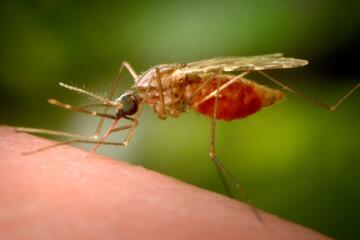
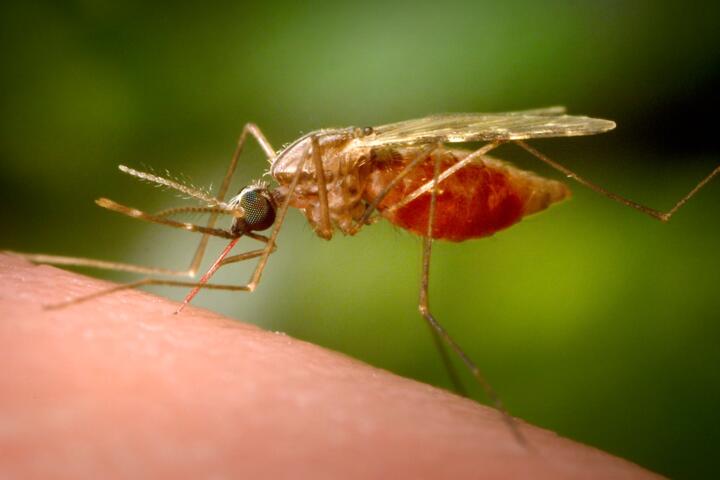
Malaria is caused by Plasmodium parasites transmitted through the bite of infected Anopheles mosquitoes. Travelers usually face risk during evening and nighttime hours, but local mosquito behavior varies by region and season. Prevention combines personal protection against bites, correct use of preventive medicines when recommended, and a plan for rapid diagnosis if fever occurs after travel. If you get sick, timing matters: fever during or after a trip can represent malaria even when symptoms start days or weeks later.
Risk depends on where you go, how long you stay, and the type of accommodation. A coastal city with screened buildings can carry less risk than nearby rural areas with standing water, even within the same country. Altitude can also reduce risk in some places, while monsoon seasons can increase mosquito breeding. For practical planning, use an official travel health source for your destination and travel dates, then match that guidance to your itinerary.
Preventive medicines reduce the chance of infection, but they do not block every bite. Bite prevention reduces exposure regardless of whether you take medication. When both are used together, you reduce risk from two angles, and you gain more options if you miss a dose or travel plans change.
Common Missteps Travelers Make
Many travelers focus on one layer of prevention and ignore the rest. Skipping bite protection while relying on tablets is a frequent pattern, and it can still leave you exposed to other mosquito-borne illnesses. Another common error is starting preventive medication too late or stopping as soon as you feel better after returning home. Some regimens require dosing to continue after leaving the risk area, and the schedule depends on the specific drug.
People also misread “malaria-free” labels. A country can have malaria in some provinces while other provinces report few or no cases. Even within a city, risk can differ between neighborhoods and day-to-day activities such as visiting farms, construction sites, or river edges. If your itinerary includes rural travel, you need guidance that reflects those specific stops rather than only the country name.
Supporting technologies and dependencies matter. Insecticide-treated nets work best when they are intact and used during sleep, and repellents work best when applied to exposed skin and reapplied after sweating or swimming. Preventive medicines depend on correct dosing, drug interactions, and your ability to tolerate side effects. Diagnostic testing depends on access to reliable microscopy or rapid diagnostic tests, which can vary by clinic and region.
Finally, fever triage gets delayed. Some travelers treat a fever as “just a cold” and wait several days, which can worsen outcomes if malaria is the cause. Malaria can present with non-specific symptoms such as headache, chills, muscle aches, and fatigue, so a fever after travel should trigger a medical evaluation rather than self-treatment alone.
Practical Steps For Prevention
Plan With A Travel Clinic
Schedule a travel medicine appointment early enough to adjust for prescriptions and side effects. Bring your itinerary, including rural nights, planned activities at dusk, and any previous reactions to medications. Clinicians often use destination-specific guidance and your medical history to decide whether preventive medication is recommended and which regimen fits. If you have pregnancy, kidney disease, seizure disorders, or take regular medications, mention them up front because drug choice and dosing can change.
For example, in the United States, many clinicians reference CDC travel guidance and drug-specific prescribing information. In the UK, clinicians often follow National Health Service travel advice and local formularies. The exact recommendation can differ by country and by your risk profile, so treat the plan as a decision tied to your trip dates rather than a one-time checklist.
Side observation: if you use a pharmacy app to track doses, version 2.0.1 of one popular medication tracker (released in 2024) improved reminders for time zones, but it still cannot replace a clinician’s schedule. You still need the correct start and stop dates from your prescription.
Use Repellent And Nets Correctly
Repellents reduce mosquito bites when applied to exposed skin. Products containing DEET, picaridin, IR3535, or oil of lemon eucalyptus (PMD) have evidence for bite reduction, but concentration and reapplication intervals matter. Apply to clean, dry skin and follow the label for frequency, especially after sweating, bathing, or heavy outdoor activity. For children, use age-appropriate products and follow local guidance on concentrations.
Insecticide-treated nets reduce bites during sleep. Use them even when rooms have screens if you notice mosquitoes inside. Check for tears and ensure the net is tucked under the mattress so mosquitoes cannot enter from the sides. If you stay in a place without reliable nets, consider a room with screens or air conditioning, since fans can reduce mosquito landing but do not replace netting.
Side observation: many travelers apply repellent once in the afternoon and then forget the evening window, which is when Anopheles mosquitoes often bite. A simple habit—reapplying before dinner—works better than trying to “remember later.”
Take Preventive Medicines When Indicated
Preventive medicines are recommended for some destinations and traveler profiles, not for all. The decision depends on local transmission intensity, your planned exposure, and your ability to follow the regimen. Common regimens include atovaquone-proguanil, doxycycline, and mefloquine, each with different dosing schedules and contraindications. Your clinician should review drug interactions, pregnancy status, and medical conditions before prescribing.
Adherence affects outcomes. If you miss doses, you may reduce protection, and some regimens require a specific number of doses before departure. After returning, continue the medication for the duration specified by the prescription, because parasites can develop after exposure. If side effects occur, contact a clinician rather than stopping abruptly, since switching regimens may be possible.
Realistic outcome expectations: preventive medicines reduce the risk of malaria, but they do not eliminate it. Even with correct use, malaria can still occur, which is why fever after travel still needs prompt evaluation.
Know What To Do If You Get Fever
Develop a “fever plan” before you travel. Identify where you can access medical care quickly at your destination and what tests are available. If you develop fever during travel or after returning, seek medical evaluation and mention your travel history. Do not wait for a rash or for symptoms to worsen, since malaria can progress.
Ask clinicians about testing options. Rapid diagnostic tests can detect malaria antigens, while microscopy can identify species and quantify parasites. In many settings, a combination approach improves accuracy, but availability varies. If you are in a remote area, consider carrying documentation of your preventive medicine regimen and the dates you took it, since that helps clinicians interpret risk.
Practical aside: some travelers keep a printed summary in their passport folder. It rarely gets used, but when it does, it saves time at triage.
Educational Case Examples
Scenario 1: A traveler spends 10 days in a country where malaria transmission occurs in lowland provinces. They stay in a screened hotel in the city but take day trips to nearby villages at dusk and sleep in a guesthouse without reliable nets. Their clinician recommends preventive medication based on the rural exposure and prescribes a regimen with dosing before departure and continuation after return. The traveler also uses repellent in the evening and sleeps under an insecticide-treated net. After returning, they develop fever 12 days later and seek care promptly; testing confirms malaria, and treatment begins without delay.
Scenario 2: A student visits a region with seasonal malaria risk and plans mostly daytime activities. They take preventive medication but apply repellent only once per day. During a humid week with heavy mosquito activity, they experience fever and chills while still abroad. They contact a local clinic the same day, receive malaria testing, and start treatment when results support the diagnosis. The case highlights that preventive medicines reduce risk but do not replace bite control and fever evaluation.
Checklist For Decision Support
| Decision Point | What To Check | What To Do | Common Pitfall |
|---|---|---|---|
| Destination and dates | Transmission varies by region and season | Use official travel health guidance for your exact itinerary | Relying on country-level information only |
| Medication plan | Drug choice depends on health history and interactions | Follow the start/stop dates on the prescription | Stopping immediately after arrival home |
| Bite prevention | Repellent and nets require correct timing | Reapply repellent per label; sleep under intact nets | Applying repellent once and forgetting evenings |
| Fever response | Fever after travel needs testing | Seek same-day medical evaluation and mention travel history | Waiting days for symptoms to “pass” |
Common Mistakes To Avoid
One mistake is treating preventive medicine as a substitute for bite prevention. Even when tablets are prescribed, mosquitoes still bite, and other infections can also occur. Another mistake is choosing repellent based only on scent or convenience rather than on concentration and reapplication guidance. Labels often specify how often to reapply, and ignoring that schedule reduces protection.
Travelers sometimes pack nets but do not set them up correctly. A net that touches the skin can still reduce bites, but gaps at the bottom or loose edges can let mosquitoes enter. People also forget that some accommodations change during a trip, such as moving from a screened room to a rural lodge, which changes the risk profile overnight.
Medication errors also happen. Some regimens require taking doses with food or avoiding certain timing patterns, and missing those instructions can reduce effectiveness. Side observation: a medication organizer with a “weekly” layout can hide missed doses when travel days shift, so it helps to cross-check against the prescription schedule.
Finally, travelers sometimes delay seeking care for fever because they assume malaria symptoms must be severe. Malaria can start mildly, and early evaluation improves the chance of prompt treatment. If you have a fever after travel, treat it as a medical issue until testing rules out malaria.
FAQ
Do I Need Malaria Tablets?
Medication recommendations depend on your destination, travel dates, and planned exposure such as rural nights or dusk activities. Use official travel health guidance for your specific itinerary and discuss your medical history with a clinician.
How Long After Returning Can Malaria Appear?
Symptoms can begin during travel or after you return, with timing varying by parasite species. Fever after travel should trigger medical evaluation even if it starts weeks later.
Which Repellent Works Best?
Repellents with DEET, picaridin, IR3535, or PMD have evidence for reducing mosquito bites. Choose a product with an appropriate concentration for your age group and follow the label reapplication interval.
Can I Rely On Insect Nets Alone?
Nets reduce bites during sleep but do not cover daytime exposure or situations where you cannot sleep under a net. Many travelers use nets plus repellent, and medication when recommended for their itinerary.
What Should I Tell A Clinic If I Get Fever?
Tell them your travel locations, dates, and whether you took preventive medication. Ask for malaria testing and follow local advice on species identification and treatment.
Author's Insight
Malaria prevention works best when travelers treat it as a system: destination-specific risk assessment, correct use of preventive medicines when indicated, and consistent bite control. Fever after travel should trigger prompt evaluation because symptoms can start mildly and testing availability varies by location. Many failures come from timing errors, such as starting medication late, stopping too early, or skipping evening repellent. A practical approach is to write down your start/stop dates, repellent reapplication schedule, and where you will seek testing if fever occurs.
Key Takeaways
Match malaria precautions to your exact itinerary and travel dates, not just the country name. Use bite prevention every day you are at risk, and follow preventive medicine schedules from your prescription when recommended. Build a fever plan before departure so you can seek testing quickly if symptoms appear after travel. If you feel unsure about dosing or side effects, contact a clinician rather than adjusting the plan on your own.