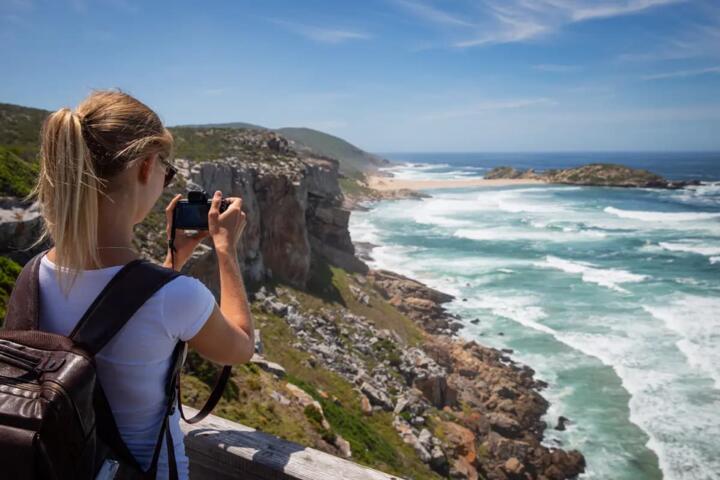
Travel Africa Beyond Safari
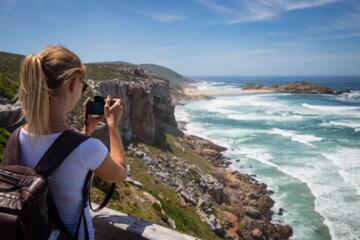
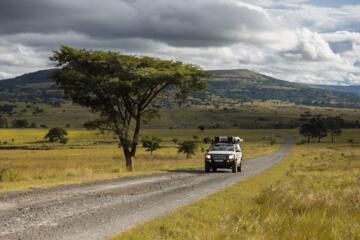
Africa travel beyond safari focuses on moving through different environments: coastal towns, historic cities, highland agriculture, deserts, and inland waterways. Instead of centering every day on game drives, you build a route around walking, local transport, museums, markets, community visits, and multi-day landscapes that may include wildlife but do not require a lodge schedule.
For example, a two-week itinerary can combine a few days in a coastal city for food and architecture, a train or bus segment to a cultural hub, and a short trek in a mountain or forest area where you can see biodiversity without the “park-only” rhythm. In West Africa, you might pair a coastal stop with inland craft regions and a river journey. In Southern Africa, you can mix urban museums with self-guided heritage sites and day hikes near towns, then add one or two guided nature days.
Health planning matters because travel risks shift when you leave protected areas. City days change your exposure to traffic injuries, water and sanitation issues, and heat management. Rural days change your exposure to long distances, limited medical access, and variable food safety. The best itineraries treat pacing and logistics as part of health planning, not as an afterthought.
Main Problems And Pain Points
Many travelers plan “beyond safari” as a loose add-on, then discover the itinerary depends on details they did not check. A common mistake is assuming that a city stay automatically reduces risk; urban travel can still involve unsafe water, crowded transport, and limited after-hours clinics.
Another frequent issue is underestimating distance and time. Road travel between regions can take longer than maps suggest, especially when you factor in border queues, fuel stops, and road conditions. If you schedule long drives every day, you end up with fatigue, which increases the chance of missed medication, poor hydration, and slower decision-making when plans change.
Visa and entry rules also shape what “beyond safari” looks like. Some countries require proof of onward travel, specific passport validity, or entry permits for certain regions. If you plan to cross multiple borders, you need a document timeline that matches your route, not the date you booked flights.
Health dependencies include vaccination status, malaria risk by region and season, and access to care. Malaria risk varies by altitude, rainfall, and local transmission patterns, so a single “Africa vaccination plan” rarely fits every stop. Travelers also underestimate how quickly pharmacies run out of common items like oral rehydration salts or specific prescription brands.
Finally, “culture experiences” can become a health risk when they involve crowded events, unsafe food handling, or travel to remote areas without a reliable return plan. A community visit that sounds simple can require a long day, limited sanitation, and a communication plan if weather turns.
Solutions And Advice
Build A Route With Health
Start with a route map that groups stops by travel time and medical access. Choose a base city every few days where you can rest, refill prescriptions, and access pharmacies. Then add one or two “movement days” that connect regions with similar health risks, such as heat exposure and water safety concerns.
For malaria planning, check risk by country and region rather than using a single blanket assumption. If your itinerary includes both lowland and highland areas, malaria risk can drop with altitude, but local conditions still matter. Carry insect repellent with DEET or picaridin, and plan for evening exposure when mosquitoes are most active.
For water safety, treat tap water as non-drinkable unless a reliable source is confirmed. Many travelers use sealed bottled water for drinking and brushing teeth, plus a method for hand hygiene. Oral rehydration salts are a practical item if you get stomach upset, and they work better when you start early rather than waiting for dehydration.
Side observation: I often see travelers pack “general wellness” supplements but skip basic items like thermometer strips or oral rehydration salts, which are more useful when symptoms start.
Use Transport That Matches Pace
Choose transport based on how you want to spend your day. If you want walking and museum time, pick routes that arrive earlier and reduce late-night transfers. If you plan to use shared minibuses or buses, build in buffer time because departures can shift and seating can be crowded.
For long-distance travel, plan hydration and meal timing around the route. Heat and dehydration can worsen fatigue, and fatigue increases the chance of unsafe decisions like skipping water or eating from uncertain sources. Keep a small day kit: water, snacks you tolerate, a light layer for air-conditioned vehicles, and a basic first-aid item.
Side observation: on a planning spreadsheet dated 2026-03-18, I track “arrival time + pharmacy hours + last ATM time” for each stop because those details decide whether you can handle minor issues without stress.
Plan Documents And Borders
Make a single checklist for visas, entry stamps, and proof requirements. Confirm passport validity rules for each country and note whether you need blank pages. If you cross borders by land, check whether your route requires advance permits for specific regions or wildlife areas.
Keep digital copies and offline copies of key documents: passport bio page, visas, travel insurance details, vaccination records, and emergency contacts. Many travelers rely on email access, then lose access when roaming data fails or a phone is lost. A small offline folder on your phone or a USB drive reduces that risk.
Version detail: I use a “travel docs v4” checklist template that I update each trip, because small changes like a new visa requirement can appear after bookings.
Choose Experiences With Clear Logistics
Beyond safari, prioritize activities with a defined start time, meeting point, and return plan. Walking tours, heritage sites, cooking classes, and craft workshops can work well when the provider explains group size, transport method, and what happens if weather changes.
For remote excursions, ask about medical access and communication. If the activity involves long travel to a rural area, confirm whether there is a reliable way to contact help and how you return if conditions worsen. Avoid experiences that depend on “we’ll figure it out” logistics, especially when you are traveling with medication needs.
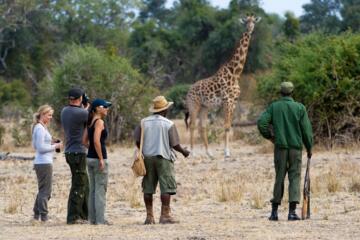
When you book guided nature days, check whether the guide’s role includes safety briefings, route marking, and water guidance. A guided hike in a forested area can be safer than a self-guided walk when trails are unclear, but you still need to manage heat, footwear, and hydration.
Case Examples
Scenario A: Coastal City + Inland Heritage (Two Weeks)
A traveler plans 4 days in a coastal city for museums and food markets, then 6 days in an inland region for heritage sites and craft workshops, followed by 3 days in a highland town for cooler weather hikes. They schedule one “buffer day” after each long transfer to rest and refill supplies. They also choose a pharmacy stop on arrival day rather than waiting until symptoms appear.
Scenario B: Mountain Trek + Urban Recovery (10 Days)
A traveler wants a short mountain trek and then a city segment for recovery and sightseeing. They book the trek with a clear meeting time, confirm water and sanitation arrangements for the route, and carry a basic first-aid kit. After the trek, they spend two nights in the nearest city with clinics and pharmacies before moving on. The itinerary avoids stacking multiple long drives immediately after the trek, which reduces fatigue-related mistakes.
Comparison Table And Checklist
| Planning Choice | What You Gain | What Can Go Wrong | Decision Tip |
|---|---|---|---|
| City-first itinerary | More pharmacies, clinics, and transport options | Water and food risks still exist; traffic injuries are real | Pick neighborhoods with reliable transport and identify clinic locations early |
| Park-light nature days | Less lodge scheduling; more walking and local guides | Trail conditions and medical access vary by area | Ask about route marking, water plan, and emergency contact |
| Border-heavy route | More countries and cultural variety | Delays can break your health routine and medication timing | Schedule buffer time and keep meds in carry-on with original labels |
| Remote excursions | More “off the main road” experiences | Communication gaps and limited sanitation | Confirm return timing, sanitation plan, and nearest medical point |
Step-by-step checklist (use before booking final flights)
- List your stops and group them by region type: coast, city, highland, desert, river.
- Check malaria risk by region and match prevention to the actual stops, not the continent.
- Verify entry requirements for each country and note passport validity and blank-page rules.
- Map travel days and limit long transfers to a few days so you can recover.
- Identify pharmacies and clinics in each base city, then save addresses offline.
- Pack a small medical kit for stomach upset and minor injuries, plus your prescription meds in carry-on.
- Confirm logistics for activities with start time, meeting point, and return plan.
Common Mistakes
Travelers often assume that “no safari” means “no wildlife risk.” In reality, wildlife exposure can still occur during hikes, river crossings, or rural walks. The difference is that you may have less structured safety briefings, so you need to manage footwear, water, and route guidance.
Another mistake is booking too many activities in one day to “make up for lost time.” Fatigue increases the chance of missed medication doses, poor hydration, and poor judgment when you are offered food or transport options with unclear hygiene.
Some travelers rely on a single travel app for everything. Offline maps, offline document copies, and a backup payment method matter when data coverage drops or a phone battery fails. A paper note with key addresses can be surprisingly helpful when you are trying to reach a clinic.
People also underestimate how quickly weather changes affect plans. Heat, heavy rain, and wind can alter transport schedules and trail safety. If an activity depends on a specific route, ask what happens when conditions change.
Finally, travelers sometimes treat health advice as one-time. If you change your route after booking, malaria risk, water safety, and medical access can change too. Recheck your plan when you add or remove stops.
FAQ
What health risks change outside parks?
City and rural days shift risks toward water and food hygiene, traffic injuries, heat stress, and variable access to clinics. Malaria risk also changes by region and season, so prevention should match the actual stops.
Do I still need malaria prevention if I skip safari?
Malaria prevention depends on the specific regions and seasons you visit, not on whether you do safari. Check risk by each destination and altitude, then follow advice from a travel health clinician or official guidance.
How can I plan documents for multiple borders?
Verify passport validity and blank-page rules for each country, then confirm visa requirements and any proof of onward travel. Keep offline copies of visas and travel insurance details, and build buffer time for border queues.
What should I pack for stomach upset and minor injuries?
Common practical items include oral rehydration salts, basic first-aid supplies, and any prescription medicines in original labeled packaging. Add items for heat management like electrolyte options you tolerate, plus blister care if you walk often.
How do I choose safer guided experiences?
Prefer activities with clear meeting points, group size limits, start and return times, and a plan for weather changes. Ask about water and sanitation arrangements and how the guide handles emergencies.
Author's Insight
“Beyond safari” works best when you treat logistics as part of health planning: travel time, access to pharmacies, and water safety shape your day as much as the itinerary does. Many planning errors come from assuming that a new activity type automatically reduces risk, when the risk profile shifts instead. A careful approach uses region-specific health checks, a document timeline aligned to borders, and buffer days after long transfers.
If you want a practical starting point, build your route around base cities with reliable services, then add nature or cultural excursions with clear return plans. That structure reduces stress when plans change and helps you keep medication and hydration routines consistent.
Key Takeaways
- Plan “beyond safari” around environments and travel time, not just attractions.
- Match health precautions to each region and season, especially for malaria and water safety.
- Use buffer days after long transfers and identify clinics and pharmacies in advance.
- Choose experiences with defined logistics: meeting point, return plan, and weather contingency.
- Keep offline documents and a small medical kit in carry-on to handle minor issues quickly.