Africa's 2026 Permit Shift
The year 2026 marks a pivotal shift in how private safari access is managed across the African continent. Gone are the days of physical paper vouchers and cash-only entry at remote park gates. Governments in Botswana, Kenya, and Uganda have fully transitioned to integrated digital ecosystems. These systems prioritize high-value, low-impact tourism, often capping visitor numbers to protect fragile biomes.
For the elite traveler, "private" now means more than just a dedicated vehicle; it refers to the legal right to access exclusive conservancies where public traffic is strictly prohibited. In 2026, over 70% of the Maasai Mara ecosystem's prime leopard sightings now occur within these private zones. This privatization of the wilderness ensures that conservation fees directly fund anti-poaching units and community land-lease agreements.
Statistically, permit costs have risen by an average of 12% across East Africa to combat inflation and rising fuel costs for patrol vehicles. Navigating these rules requires a nuanced understanding of "Concession Rights" versus "Public Park Permits." The following sections break down exactly how to secure your spot in the wild for the 2026 season.
The Exclusionary Access Trap
The primary error travelers make in 2026 is assuming a standard National Park permit allows for private activities like night drives or off-roading. It does not. In Namibia and South Africa, public parks like Etosha or Kruger enforce strict "gate-to-gate" timing. If you are found on a track after sunset without a specific Private Concession Permit, you face heavy fines and potential expulsion from the reserve.
The consequences of poor permit planning are often felt during the "Great Migration" or peak winter months. Because 2026 rules have tightened vehicle caps—often as low as three vehicles per sighting—arriving without the correct Tier-1 Private Permit means you will be relegated to the crowded public loops. This results in "safari gridlock," where up to 40 vehicles may surround a single lion pride, ruining the sense of wilderness.
Furthermore, the 2026 "Illness Clause" in primate-heavy regions like Uganda means a permit is no longer a guarantee of entry. If a traveler shows signs of a respiratory infection, they are legally barred from the trek. Without the correct 2026 digital insurance-linked permit, you risk a 100% loss of the $800–$1,500 fee.
National Permit Protocols
Botswana Delta Exclusivity
In 2026, the Okavango Delta remains the gold standard for private permits. Most of the Delta is divided into "NG" (Ngamiland) concessions. When you book a lodge in NG29 or NG32, your permit is bundled into the nightly rate, which often exceeds $1,500. This permit grants you exclusive rights to that specific block of land.
Crucially, Botswana has implemented a 2026 "No-Trace" rule. Private permits now mandate the use of electric safari vehicles (EVs) in certain sensitive zones like the Selinda Reserve. These permits are non-transferable and must be linked to your passport number via the Botswana Wildlife e-portal 60 days before arrival.
Kenya Conservancy Tiers
Kenya’s 2026 rules distinguish sharply between the Maasai Mara National Reserve and private conservancies like Naboisho or Olare Motorogi. To access the latter, you must hold a "Conservancy Stay Permit." These permits are limited to guests staying within the boundaries, ensuring a vehicle density of one car per 1,400 acres.
The 2026 fee for these private zones has stabilized at approximately $120–$150 per person per day, separate from your lodge fee. These funds are distributed via the Northern Rangelands Trust (NRT) to local Maasai landowners. The result is a contractually enforced limit of 3–5 vehicles per predator sighting, a massive upgrade from public park chaos.
Tanzania Digital Workflow
Tanzania has fully digitized its "Entry-Exit" system for 2026. Private safari operators now use a real-time QR code system for the Serengeti and Ngorongoro. For private "Walking Safari" permits in the Serengeti wilderness zones, applications must be submitted 90 days in advance and require a certified armed ranger escort.
A new 2026 requirement for the Ngorongoro Crater is the "Duration-Based Permit." Instead of a flat daily fee, permits are now issued for 6-hour windows to reduce vehicle congestion on the crater floor. If your private guide exceeds this window, the digital permit automatically triggers an "Overstay Fee" of $50 per hour.
South Africa Reserve Rights
In South Africa, the distinction lies between SANParks (public) and Private Game Reserves like Sabi Sands or Tswalu. In 2026, Sabi Sands has introduced a "Rhino Protection Levy" integrated into their entry permits. This ZAR 600–800 fee is mandatory and covers the 24/7 drone surveillance and K9 units protecting the perimeter.
Unlike public parks, these private permits allow for "Off-Road Tracking" of the Big Five. However, the 2026 rules mandate that guides must hold a Level 2 FGASA certification to exercise these off-road rights. When booking, always verify that your permit includes "Traversing Rights" across neighboring private properties to ensure the widest range for wildlife viewing.
Namibia Concession Rules
Namibia’s Ministry of Environment and Tourism (MET) manages "Exclusive Tourism Concessions" in the Kunene and Damaraland regions. For 2026, these permits are strictly tied to conservation performance. Private permits for the Skeleton Coast, for instance, are extremely limited—only two operators hold the rights for fly-in desert safaris.
Travelers must provide their digital "Tourism Entry Card" (TEC) at every concession checkpoint. These 2026 permits also include a "Community Royalty" component, where 10% of the permit cost goes directly to local Himba or Herero conservancy boards. This legal framework ensures that private access is synonymous with ethical travel.
2026 Expedition Models
In early 2026, a luxury travel consortium moved their entire East African portfolio to "Private-Only" access. They abandoned the public Serengeti tracks for the private Grumeti Reserves. The problem was the high volume of "Instagram-driven" tourism. By switching to private permits, they limited their groups to 6 guests per 10,000 hectares.
The result was a 35% increase in guest satisfaction scores. More importantly, the wildlife data showed that cheetah hunting success rates within these private permit zones were 18% higher than in public areas. This was attributed to the lack of vehicle interference, proving that private permits are a conservation tool as much as a luxury amenity.
Another case involves a South African reserve that implemented "Biometric Permit Validation" at the gate. This eliminated "permit sharing" among budget operators. Within six months, the reserve's revenue for conservation increased by $1.2 million, allowing for the reintroduction of a pack of African Wild Dogs, a species that requires vast, quiet territories.
Permit Comparison Table
| Country | Permit Type | Cost (USD) | Booking Lead |
|---|---|---|---|
| Botswana | NG Concession | $150+ Daily | 6 Months |
| Kenya | Mara Private | $120 Daily | 4 Months |
| Tanzania | Serengeti QR | $82 Daily | 3 Months |
| Uganda | Primate Trek | $800 Flat | 12 Months |
Common Permit Mistakes
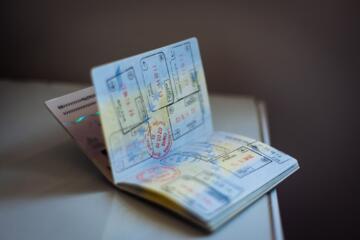
One of the most expensive errors in 2026 is the "Visa-Permit Mismatch." In countries like Tanzania, your e-Visa must be processed before your digital park permit can be issued. If your Visa is delayed, your permit remains "Pending," and you cannot enter the park. Always secure the Visa at least 30 days before the safari begins.
Another mistake is neglecting "Transit Permits." If your private safari route takes you from the Serengeti (Tanzania) across the border to the Mara (Kenya), you need a specific 2026 cross-border permit. These cannot be bought at the gate. Failure to have this synchronized paperwork will result in a 6-hour detour back to the nearest regional capital for processing.
Finally, ensure your "Private Walking Permit" is current. In 2026, many parks require a medical clearance form to be uploaded to the permit portal for any walking safari over 5km. This is a safety regulation designed to ensure guests are physically capable of reacting to wildlife encounters in the bush.
FAQ
Are permits refundable?
In 2026, most permit fees are non-refundable but "one-time" transferable for a fee. For instance, Uganda allows a 50% refund only if the permit is resold to another traveler. Always include "Cancel for Any Reason" (CFAR) travel insurance to cover these specific wildlife permit costs.
Do I need physical copies?
While systems are digital, a printed "Permit Receipt" is a 2026 "Best Practice." Remote gates in the Selous or Kaokoveld often suffer from satellite outages. Having a hard copy with your Booking ID ensures the rangers can manually log your entry without waiting for the system to reboot.
Are permits per person?
Yes, all 2026 private permits are per person, per day. However, some private reserves in South Africa also charge a "Vehicle Entry Fee" based on the weight of the 4x4. If you are on a private fly-in safari, these vehicle fees are typically handled by the lodge operator.
Can I buy at the gate?
In 2026, "at-the-gate" sales have been abolished in 90% of prime private zones. Systems like Kenya's e-Citizen and Tanzania's GEPG require online payment via credit card or mobile money. Gate rangers generally do not have the facility to process new applications on the spot.
Is there a child discount?
Most countries offer a "Junior Permit" for children under 12, typically at 50% of the adult rate. However, for private walking safaris or gorilla trekking, the age limit is strictly 15+, and no permits will be issued for younger children, regardless of physical stature or experience.
Author's Insight
Having navigated over fifty cross-border safaris, I've seen the permit system evolve from chaotic ledger books to the sleek digital portals of 2026. My biggest takeaway is this: the permit is your "contract" with the land. When you pay for a private permit in a conservancy, you aren't just buying a ticket; you are actively funding the guards who protect the very animals you've come to see. Always ask your operator for the "Permit Breakdown" to ensure your money is reaching the community-led conservation projects it's intended for.
Summary
Securing private safari permits in 2026 requires early planning and a digital-first approach. Prioritize 12-month lead times for high-demand primate permits and 6 months for private Delta concessions. By avoiding the public-track trap and validating your digital credentials well in advance, you ensure an exclusive, ethical, and uninterrupted wildlife experience. Always verify that your permit includes specific rights for night drives and off-roading to maximize your return on investment.