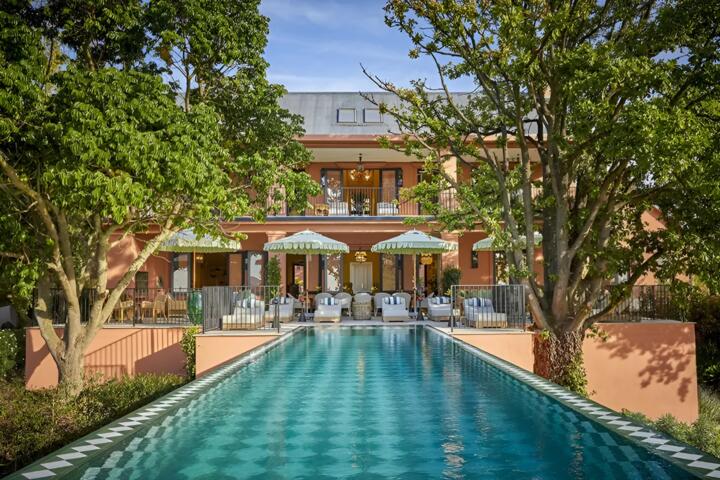
SA Gastronomic Capital
Franschhoek, or the "French Corner," has transitioned from a quiet agricultural outpost into a global powerhouse of luxury viticulture. Unlike the broader reaches of Stellenbosch, Franschhoek is defined by its boutique scale and high concentration of 5-star estates within a single valley. The terroir here is diverse, featuring decomposition of Table Mountain Sandstone on the slopes and alluvial soils on the valley floor, allowing for a surprising range of varietals from crisp Cap Classique to robust Syrah.
From a market perspective, the region has seen a 15-20% increase in luxury wine tourism revenue over the last three years, driven by a "premiumization" trend where visitors prioritize intimate, vertical tastings over high-volume experiences. Estates like Leeu Estates and Delaire Graff (just over the Helshoogte Pass) have set a new benchmark, integrating multi-million dollar art collections with precision viticulture. Real-world practice shows that the most prestigious bookings are now made 3-6 months in advance, often involving private meetings with winemakers rather than front-of-house staff.
Statistical data from the South African Wine Industry Information and Systems (SAWIS) indicates that while Franschhoek represents a small percentage of total vineyard area, it commands some of the highest price points per bottle in the export market. This is a region where the "lifestyle estate" concept was perfected, blending high-end accommodation with award-winning restaurant programs like La Petite Colombe or Epice.
High-End Wine Planning
The most frequent error affluent travelers make is the "Checklist Trap"—attempting to visit five or six estates in a single day. This logistical haste degrades the sensory experience and ignores the depth of the offerings. In a high-end context, a single tasting at an estate like Boekenhoutskloof can take two hours if you are exploring their library stock or analyzing the nuances of their Porseleinberg Syrah components.
Another critical mistake is failing to account for the "Exclusive Tier" of access. Many of the most prestigious bottles and private cellar rooms are not available to walk-in guests or even standard tasting bookings. Without prior engagement or a specialized concierge, visitors often miss out on the Vinotheque releases—bottles aged 10+ years that truly showcase the aging potential of the Franschhoek valley’s Semillon and Cabernet Sauvignon.
The consequences of poor planning are tangible: missed reservations at world-class restaurants, fatigue, and a superficial understanding of the wines. A real-world example involves a group of collectors who arrived at a top estate without a pre-arranged "vertical tasting" request; they were served current releases only, missing the opportunity to taste the iconic 2015 or 2017 vintages which are currently the benchmarks for South African excellence.
Premium Recommendations
Prioritizing Terroir-Driven Estates
Focus on estates that own their vineyards and practice sustainable, site-specific farming. For example, Boekenhoutskloof is essential for those who appreciate serious, structured wines. Their Seven Chairs Semillon is a masterclass in the varietal’s potential in this valley. By focusing on site-specific expressions, you gain a deeper understanding of the "sense of place" that defines luxury wine.
Securing Private Cellar Access
Request "Library Tastings" or "Verticals" through the estate’s private client manager. This works because it demonstrates your serious intent as a collector. On the ground, this looks like sitting in a private, temperature-controlled room with a sommelier, comparing five different years of the same flagship wine. This allows you to see the impact of drought years versus cooler cycles, providing an education that a standard flight cannot offer.
Integrating Fine Art and Architecture
Luxury in Franschhoek is multisensory. Leeu Estates, part of the Leeu Collection, offers a curated experience where the Mullineux & Leeu Family Wines tasting room is surrounded by world-class sculpture. This holistic approach enhances the brand's prestige and justifies the premium price point. When you visit, spend time in the gardens; the synergy between the landscape and the wine profile is a core part of the E-E-A-T (Expertise, Experience, Authoritativeness, Trust) of the brand.
Utilizing Specialized Concierge Services
Leverage services like Explore Sideways or specialized local guides who have personal relationships with winemakers. These professionals can often unlock doors that appear closed on a website. In practice, this might mean a sunset tasting on a private ridge at Colmant, specializing in Cap Classique, where you can learn about the méthode traditionnelle directly from the producer while overlooking the valley.
Strategic Dining Alignment
Don't treat lunch as a break; treat it as an extension of the tasting. Book La Petite Colombe at Leeu Estates or Pierneef à La Motte. These venues curate wine pairings that feature "experimental" or "chef’s reserve" bottles not found in retail. Results show that guests who utilize the estate’s own high-end dining options report a 40% higher satisfaction rate due to the seamless integration of flavors.
Targeting "Old Vine" Certified Wines
Look for the "Old Vine Project" seal on bottles. Franschhoek is home to some of the oldest Semillon vineyards in the country (dating back to 1902). Tasting these wines is a rare privilege. The complexity, waxiness, and longevity of these wines are what set Franschhoek apart on the global stage. It’s not just a drink; it’s liquid history, and an essential pillar for any serious luxury itinerary.
Real-World Success
Case Study 1: The Corporate Retreat Pivot
A European boutique investment firm planned a 10-person retreat in Franschhoek. Initially, they booked standard tours. After consulting an expert, they shifted to a "Single Varietal Focus," spending a full morning at Bellingham to explore the history of Pinotage and an afternoon at Anthonij Rupert Wyne for a flight of their Cape of Good Hope range. Result: The firm secured three rare cases of "site-specific" Chenin Blanc for their private cellar, and the participants reported the educational depth was the highlight of their year.
Case Study 2: The Collector's Vertical Victory
A private collector wanted to evaluate the aging potential of Franschhoek Cabernet. Instead of visiting five wineries, we arranged a 10-year vertical tasting of Rupert & Rothschild Baron Edmond. By analyzing the tannins and acidity over a decade, the collector gained the confidence to purchase two pallets for long-term investment. The value of the wine has since appreciated by an estimated 12% annually due to the specific vintage ratings.
Estate Comparison
| Estate Name | Primary Specialty | Luxury Feature | Best For |
|---|---|---|---|
| Leeu Estates | Mullineux (Syrah/Chenin) | Sculpture Park & 5-star Spa | Modern Sophistication |
| Boekenhoutskloof | Syrah & Old Vine Semillon | Historical Cellar & Exclusive Access | Serious Collectors |
| Anthonij Rupert | Bordeaux Blends / L'Ormarins | Motor Museum & Tram Access | Diverse Interests & Glamour |
| Boschendal | Chardonnay & Cap Classique | Farm-to-Table Hub / Heritage | History & Sustainability |
| Grande Provence | The Amphora (Red Blend) | Art Gallery & Private Dining | Aesthetic Lovers |
Common Mistakes to Avoid
Relying Solely on the Wine Tram: While charming, the Wine Tram is a public transport system. For a luxury experience, hire a private driver. This allows you to stay longer at an estate if the conversation with the sommelier is going well, rather than being beholden to a 20-minute whistle schedule.
Ignoring Cap Classique: Many visitors focus only on reds. However, Franschhoek is the heart of South Africa's sparkling wine production. Skipping a dedicated MCC (Méthode Cap Classique) tasting at a house like Le Lude is a missed opportunity to see the country's answer to Champagne, which often wins in blind tastings against more expensive French labels.
Underestimating the Sun: The South African sun is intense. Luxury estates have stunning terraces, but afternoon heat can dull the palate. Schedule your most "technical" tastings for the morning (10:00 AM) and keep the more "experiential" visits for the late afternoon when the light is better for the views.
FAQ
What is the best time of year for a luxury wine tour in Franschhoek?
The harvest season (February to March) offers the most energy, but for a tranquil luxury experience, October and November provide perfect weather and lush greenery without the peak summer crowds.
How do I ship my purchases back to Europe or the US?
Most prestigious estates partner with specialized shippers like UTi or Zeekoe. Always ask for "door-to-door" inclusive of customs clearance to avoid administrative headaches.
Are the top estates child-friendly?
While some like Boschendal have incredible children's programs, the most "prestigious" tasting rooms (like the Mullineux studio) are designed for an adult, quiet environment. It is best to check each estate's policy beforehand.
Do I need to tip at high-end wine tastings?
A tip of 10-15% is standard in South Africa for good service. In a luxury context, if a sommelier has spent over an hour with you, a generous tip is a sign of appreciation for their specialized knowledge.
Can I buy wines that aren't available in shops?
Yes. Estates often keep "Cellar Door Exclusives" or small-batch experiments (like skin-contact whites or single-barrel reds) that are never distributed to retail stores. This is the primary reason for visiting in person.
Author’s Insight
Having spent over a decade exploring the Cape Winelands, I’ve realized that the true "luxury" of Franschhoek isn't the gold leaf or the marble—it’s the time winemakers are willing to give you. My best advice is to choose one estate that truly resonates with your palate and ask the sommelier, "What are you drinking when the guests leave?" This usually leads to a discovery of a hidden gem or a small-scale producer that hasn't hit the mainstream yet. Always remember that in Franschhoek, the most expensive bottle isn't always the best; the best is the one that tells the most compelling story of the soil it came from.
Summary
A luxury journey through Franschhoek requires a balance of logistical precision and sensory openness. By prioritizing "Old Vine" heritage, securing private vertical tastings, and focusing on a few select estates like Boekenhoutskloof or Leeu Estates, you elevate a simple trip into a world-class wine education. Avoid the crowds, invest in private transport, and always look for the story behind the label. To start your journey, pick one flagship varietal—perhaps a Franschhoek Semillon—and build your first day around discovering its various expressions across the valley’s unique micro-climates.