Defining Ultra-Luxury
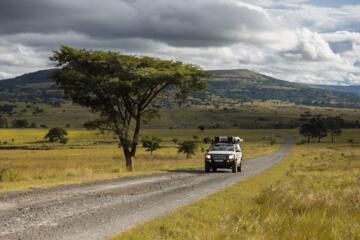
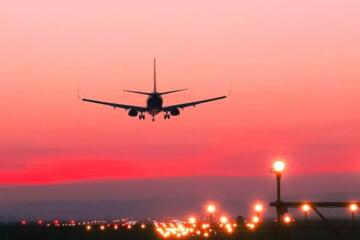
True exclusivity in the African bush is no longer about gold-plated faucets or thread counts; it is defined by the absence of other humans and the presence of rare biodiversity. It means securing a private 30,000-acre concession in the Okavango Delta where your vehicle is the only one for fifty miles. It is the ability to bypass commercial flight schedules via a Pilatus PC-12 directly to a bush strip.
Consider the "Million Dollar Safari" concepts offered by outfitters like Roar Africa, which utilize private Emirates Executive A319 jets to link continents. In 2024, data shows that ultra-high-net-worth (UHNW) travelers are spending 45% more on "buy-out" properties (booking the entire lodge) than in 2019. Real luxury is now measured in hectares per guest and the caliber of the accompanying specialist.
Common Safari Pitfalls
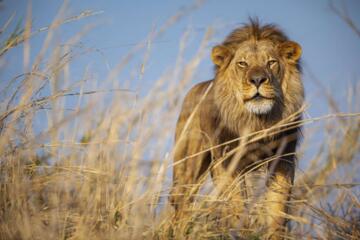
The most frequent error is trusting "luxury" labels on booking platforms that actually lead to high-density national parks. In places like the Maasai Mara or Serengeti during the Great Migration, "luxury" guests often find themselves in a "karate-safari"—where 40 vehicles surround a single lion. This lack of privacy destroys the psychological immersion required for a transformative experience.
Another failure is neglecting the "conservation tax." High-end travelers often miss the opportunity to integrate with the scientific community. Without a private guide who has a background in ecology or biology, the experience remains superficial. The consequence is a repetitive "Big Five" checklist rather than an understanding of the delicate trophic cascades within the ecosystem.
Access Strategies
The Private Villa Buy-Out
To achieve total seclusion, skip the boutique hotel and book a standalone private villa. Properties like Singita Castleton in South Africa or Arijiju in Kenya operate as private homes. This works because it removes the social friction of communal dining and allows the staff-to-guest ratio to reach levels like 4:1. You dictate the rhythm of the day, from midnight drives to sunrise yoga on the deck.
The Conservation Expedition
Engage in "Purposeful Travel" by funding and participating in wildlife management. This involves joining a veterinary team for rhino dehorning or elephant collaring. This isn't a tourist activity; it's a critical conservation intervention. Organizations like the Northern Rangelands Trust allow donors to see exactly where their $50,000+ contributions go, providing a level of access no standard ticket can buy.
Helicopter-Led Exploration
In regions like Northern Kenya’s Suguta Valley or the Danakil Depression, ground travel is nearly impossible. Using a private Eurocopter (H125 or H130) allows you to touch down on volcanic craters or remote desert dunes for sundowners. Companies like Tropic Air Kenya specialize in these flight-based safaris, turning a 10-hour dusty drive into a 40-minute scenic masterpiece.
Specialist Guide Pairing
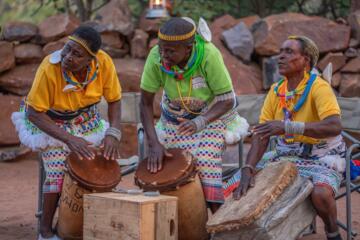
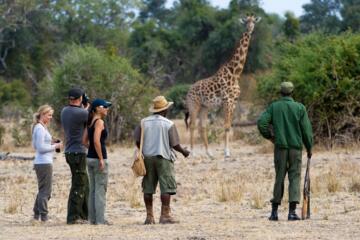
The quality of your safari is 90% dependent on your guide. Elite travelers hire independent private guides like Ralph Bousfield or Squack Evans a year in advance. These experts possess encyclopedic knowledge and deep relationships with local tribes, ensuring you are welcomed as a guest of the community rather than a spectator from a vehicle.
Customized Mobile Camps
For the ultimate "off-grid" experience, utilize a luxury mobile camp that moves with the wildlife. Unlike permanent lodges, these camps (like Legendary Expeditions in Tanzania) are set up specifically for your party in "Special Campsites" where no other tourists are permitted. You get the comfort of a five-star hotel with the raw proximity of a canvas tent under the stars.
Real-World Cases
The Gorilla Conservation Project: A family of four wanted to see Mountain Gorillas but felt uncomfortable with the standard trekking crowds. They chartered a private helicopter from Kigali to a private villa near Volcanoes National Park. By donating $100,000 to the Dian Fossey Gorilla Fund, they were granted a private briefing by lead primatologists before their trek. Result: A private, educational encounter with zero interaction with other trekking groups.
The Namibian Desert Crossing: A solo traveler sought absolute silence. We coordinated a 10-day journey using only a private Cessna Grand Caravan to hop between the Skeleton Coast and the Kunene River. By staying at Shipwreck Lodge and Serra Cafema, and utilizing private 4x4 vehicles for 12 hours a day, the guest saw only three other people in 10 days. Result: 100% satisfaction in terms of mental "unplugging" and rare brown hyena sightings.
Exclusive Service
| Service Type | Provider | Unique Value | Daily Cost |
|---|---|---|---|
| Private Concession | Singita / &Beyond | Private leopards sightings. | $4,000 - $6,500 |
| Aerial Safari | Tropic Air | Remote peaks and craters. | $2,500 / hr |
| Conservation | Wild Philanthropy | Direct anti-poaching work. | $10,000+ |
| Private Villa | Cheetah Plains | Silent EVs; personal chef. | $15,000+ |
Avoid Common Blunders
One major mistake is over-packing gadgets. While high-end cameras are great, the elite safari experience is about presence. Avoid lodges that prioritize "Instagrammable" moments over ecological integrity. If a lodge offers "lion cub petting" or "walking with lions," it is a red flag for unethical practices. Authentic luxury always aligns with the highest standards of animal welfare and local community empowerment.
Don't skimp on travel insurance that includes emergency medevac. Even the most expensive lodges are hours away from a hospital. Services like Global Rescue are non-negotiable for remote Botswana or Chad expeditions. Finally, avoid the "Migration Trap"—booking a year out for a specific spot only to have the rains arrive late. Work with an agent who has the flexibility to move your camp based on real-time satellite weather data.
FAQ
What is the best time for a private safari?
The "best" time depends on the region, but generally, the dry season (June to October) offers the best wildlife viewing as animals congregate around water holes. However, "Secret Season" (November to May) offers incredible birding and lush emerald landscapes with even fewer tourists.
How far in advance should I book?
For private villa buy-outs and world-class guides, 12 to 18 months is the standard. The most exclusive concessions have very limited bed capacity and sell out rapidly for peak migration dates.
Are electric vehicles actually better?
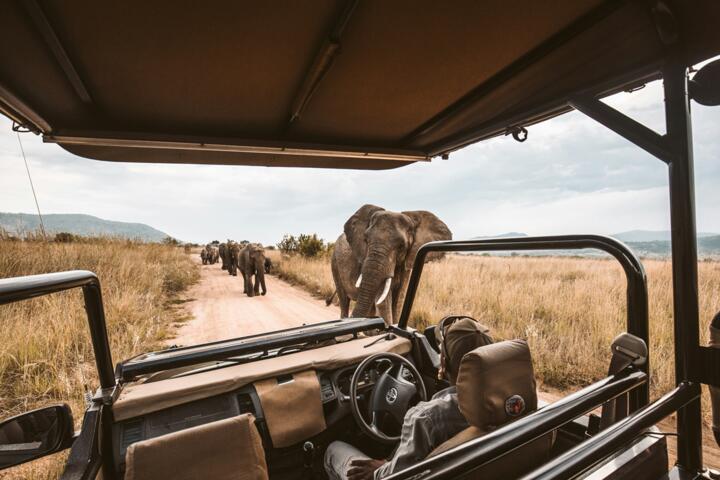
Yes. Electric safari vehicles, used by lodges like Cheetah Plains and Emboo Camp, allow you to approach wildlife in near-silence. This reduces the animal's stress and allows you to hear the sounds of the bush, such as alarm calls or snapping branches.
Is it safe to bring children on ultra-luxury safaris?
Absolutely, provided you book a private villa. This allows for a flexible schedule and "Bush School" programs where kids learn tracking and survival skills from local warriors, such as the Maasai or Samburu, without disturbing other guests.
What makes a safari "exclusive" besides price?
It is the "Policy of One." One vehicle per sighting, one private guide for the duration of the trip, one-on-one time with researchers, and a customized itinerary that can change on a whim based on where the leopards moved last night.
Author’s Insight
Having spent over a decade navigating the African continent, I have realized that the most expensive bottle of wine in the cellar matters far less than the silence of the savannah. My most memorable moment wasn't in a gold-leafed bathtub; it was sitting in an open-air hide at 3 AM in the Kalahari, watching a brown hyena by infrared light. When planning your journey, invest your capital in "access" and "expertise" rather than "decor." A great guide can turn a patch of dirt into a theatre of evolution; a luxury lodge without one is just a hotel with a view.
Summary
Exclusivity in the modern era is defined by privacy, expert knowledge, and meaningful conservation impact. To secure the best experience, prioritize private concessions, book full villa buy-outs, and insist on a specialist private guide. By avoiding high-density parks and choosing purpose-driven travel, you ensure that your presence supports the wilderness you came to see. Start by identifying your primary goal—be it solitude, photography, or philanthropy—and build your logistics around that single pillar.